How I Solve Artifact Puzzles Without Chasing Fixed Coordinates
I recognize Artifact rooms by their puzzle clues, solve Frostbed bridges and dark mazes, clear blocked entrances, and leave tool-gated rooms for later.
Updated:
Quick Answer
I do not start Artifact hunting by trying to reproduce somebody else’s underground route.
I first identify the room pattern:
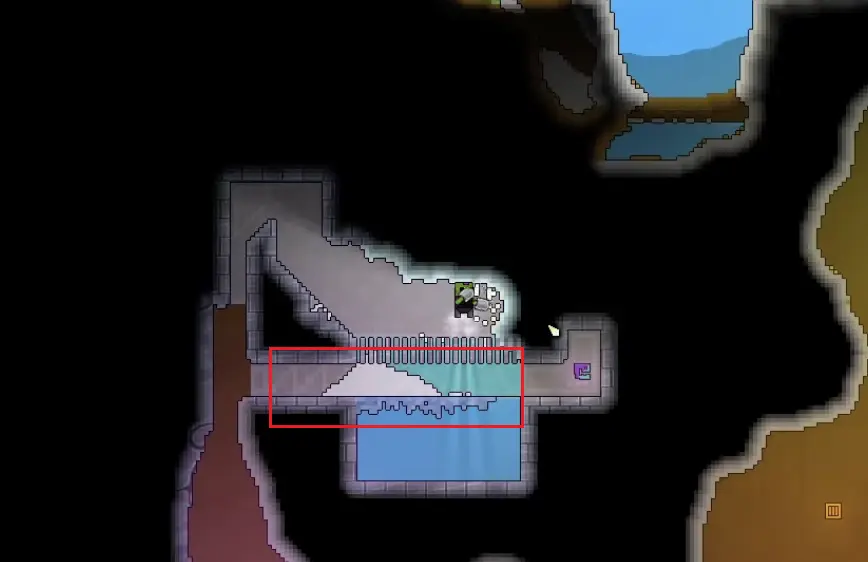
Frostbed above Water
→ break the Frostbed
→ let the Snow fall
→ Water freezes
→ cross the Ice
Dark maze
→ bring the Flashlight
→ follow the corridors
→ backtrack when a branch dead-ends
Deliberately blocked entrance
→ inspect the blocking material
→ use the tool that actually affects it
If the room clearly revolves around one material and none of my current tools interact with it, I leave and return after another meaningful tool unlock.
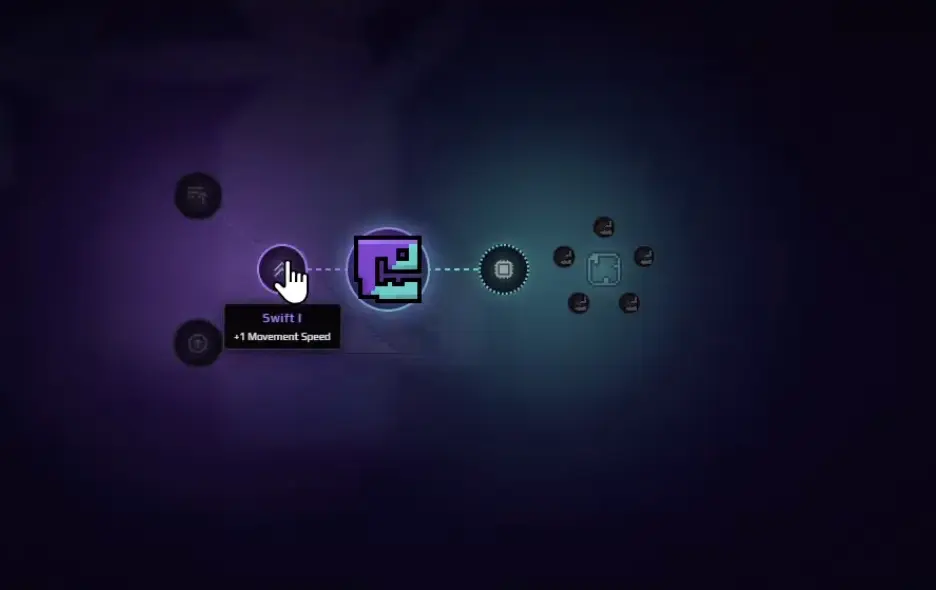
I also make sure I actually claim the Artifact before leaving. My first reward included Swift I and moved the Augment Forge to 1/5 toward Triple Shot.
Artifact rooms became much easier once I stopped treating them like hidden objects I needed exact directions to reach.
What helps me more is recognizing:
the shape of the room
→ the material blocking progress
→ which tool interacts with that material
→ what changes after I use it.
A Frostbed chamber looks different from a maze.
A deliberately sealed entrance looks different from an ordinary cave wall.
Once I slow down and read those clues, I spend much less time digging around a puzzle that already gave me the answer.
I Follow Intentional Cave Clues Before Mining Around Them
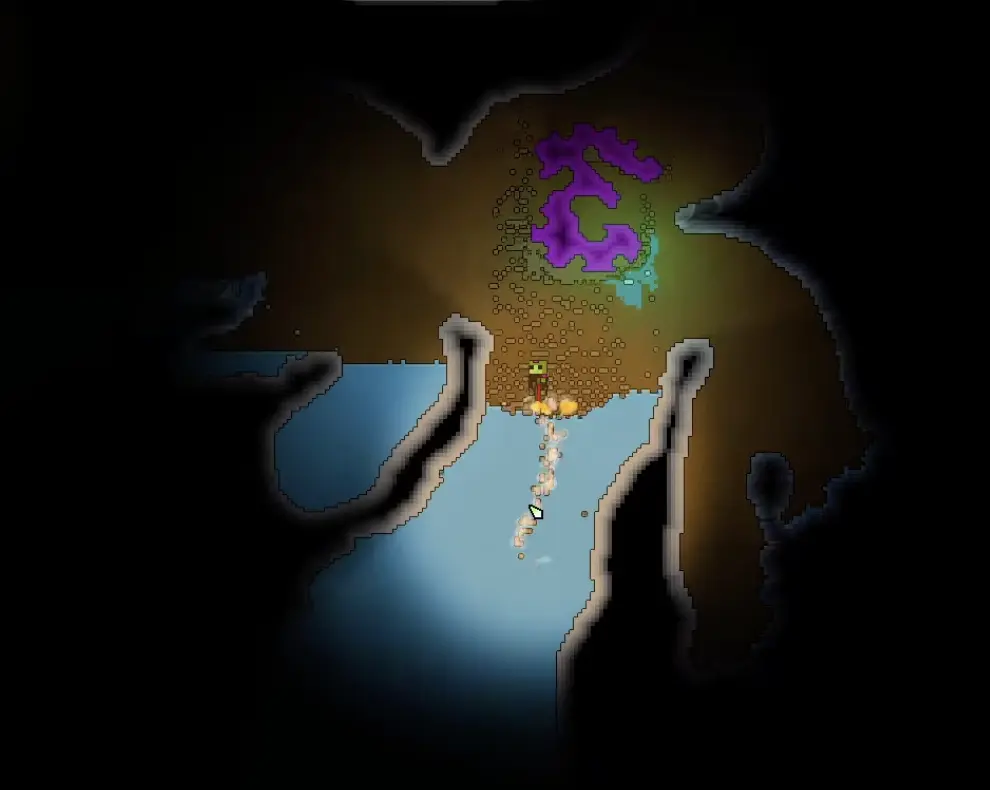
When I am moving underground, I do not immediately carve a straight path through every wall.
If I find an intentional arrow, structured room, unusual material arrangement, or obvious chamber boundary, I follow that clue first.
The main question I ask is:
Does this look like normal terrain, or does it look like the game arranged these materials deliberately?
If the room suddenly becomes symmetrical, enclosed, or built around one specific obstacle, I stop treating it like ordinary mining space.
I inspect the obstacle first.
My First Artifact Taught Me to Read the Blocking Material
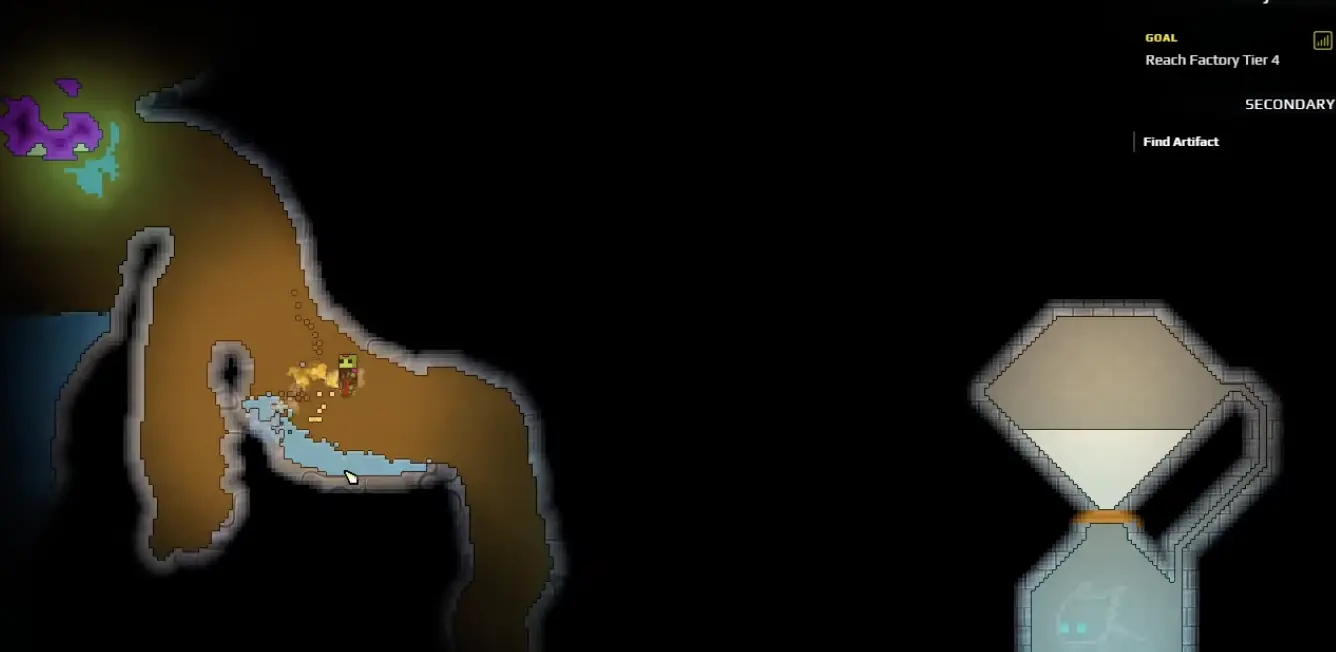
The first Artifact room I completed was hidden behind material I could clear with fire.
I already had the Flamethrower, so I tested the obvious interaction instead of digging around the whole chamber.
The obstruction burned away and exposed the Artifact area behind it.
That became my standard approach.
If something specific blocks the room, I ask:
Can the Shovel affect it?
Can it burn?
Can the Gun destroy it?
Is the Water itself part of the puzzle?
I do not cycle through every tool randomly.
I start with what the room is visually asking me to interact with.
The First Artifact Was Already Worth the Detour
My first Artifact was not just a collectible.
The reward gave me Swift I, improving movement speed.
It also advanced the Augment Forge to:
1 / 5 toward Triple Shot.
That changed when I am willing to stop for one.
If I am already in the same cave and I clearly have the required tool, I usually solve the room before returning home.
Permanent movement or combat improvements continue helping after the puzzle is over.
I still do not abandon a broken factory for every optional room I discover.
Artifact hunting works best beside normal progression, not instead of it.
Frostbed Puzzle: I Change the Water Instead of Crossing It
The Frostbed room was the clearest example of a puzzle I initially approached the wrong way.
The Artifact sits beyond a body of Water.
Trying to cross the Water directly is not the solution.
The important clue is above it:
Frostbed.
My route is:
inspect the Frostbed
→ break it
→ Snow falls into the Water
→ Water freezes
→ cross the Ice
→ claim the Artifact.
In the first version I solved, I used the Shovel to break the Frostbed.
Later I encountered the same interaction when I had a Gun, and the key mechanic was still the same.
The important lesson is not:
always use the Shovel.
It is:
break the Frostbed with a tool that can affect it.
The room is testing the Snow-and-Water interaction, not one permanently required weapon.
I Do Not Mine Around a Frostbed Room Before Testing the Puzzle
The temptation here is to bypass the whole chamber.
I could dig around the Water.
I could approach from below.
I could search for another tunnel.
I do not start there.
If the room contains:
Water
-
Frostbed directly above it
-
Artifact on the far side
then I test those pieces first.
The room has already given me a very strong clue.
Only if the intended interaction genuinely fails do I start looking for a different route.
This saves far more time than trying to out-mine every puzzle chamber.
I Make Sure the Artifact Actually Registers Before I Leave
Reaching the far side of a puzzle is not my final checkpoint.
I still interact with the Artifact and confirm that the reward state advances.
I learned to separate:
I reached the room
from:
I claimed the reward.
That sounds obvious, but after solving a longer route it is easy to mentally mark the room as finished the moment the obstacle is gone.
I do not leave until the Artifact interaction itself is complete.
If My Current Tools Do Nothing, I Stop Forcing the Room
Not every Artifact needs to be solved on the first visit.
If one material is clearly central to the room and none of my current tools affect it, I stop spending time on random alternatives.
I leave.
I keep progressing.
Then I return after another useful tool unlock.
This is especially useful because Sandustry constantly gives me other productive things to do.
If an Artifact stops paying off in reasonable time, I go back to the actual progression route in my progression guide and revisit the room when my toolset is stronger.
Maze Puzzle: I Solve the Corridors, Not the Walls
The maze room is very different from the Frostbed puzzle.
There is no obvious material conversion.
The problem is:
visibility
and:
route choice.
So I bring the Flashlight.
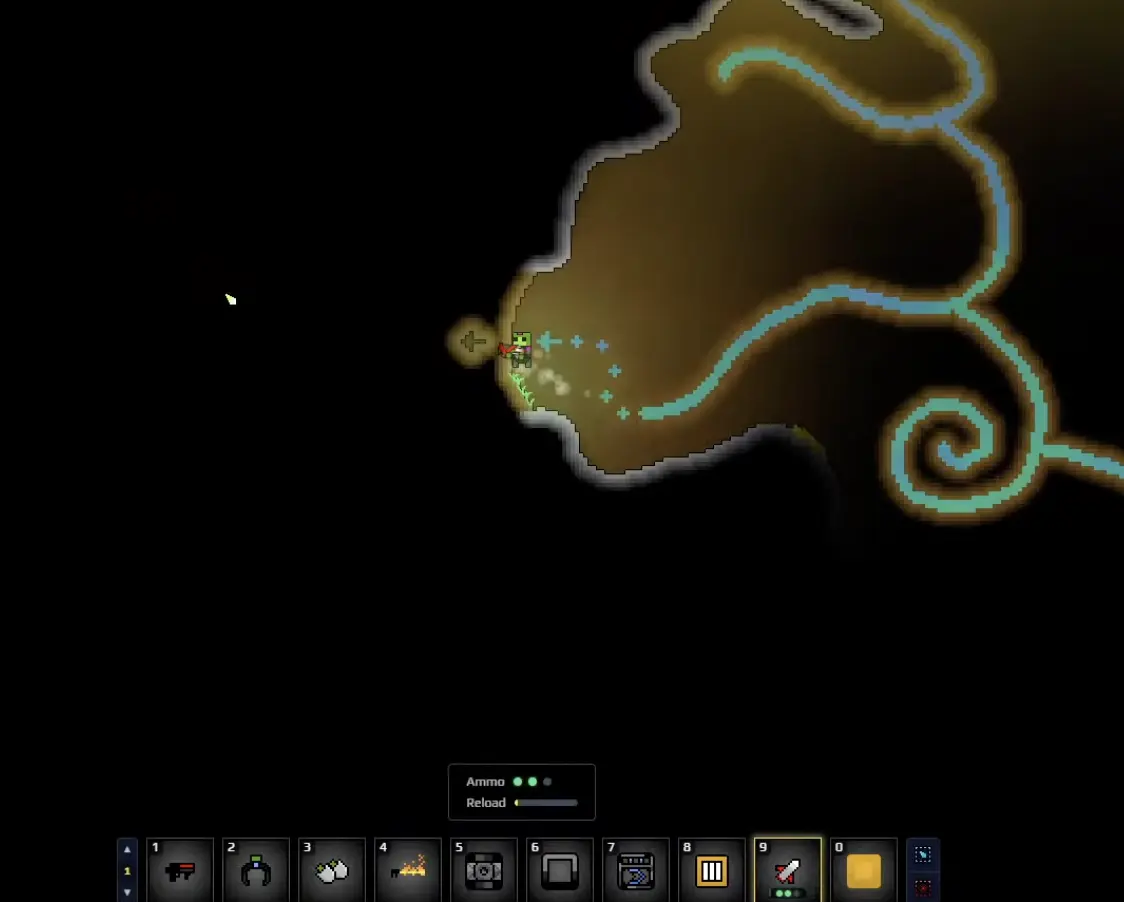
I do not try to memorize the entire maze from the entrance.
I move one branch at a time.
If a corridor continues:
→ I follow it.
If it ends:
→ I backtrack to the previous split.
The first branch I tested ended in a dead end.
That did not mean I had missed a switch.
It meant:
wrong branch.
So I went back and tried the next path.
I Do Not Mine Through Maze Walls as My First Solution
Mining solves so many navigation problems in Sandustry that it becomes almost automatic.
Inside the maze, I deliberately stop doing that.
I treat the walls as the puzzle boundary.
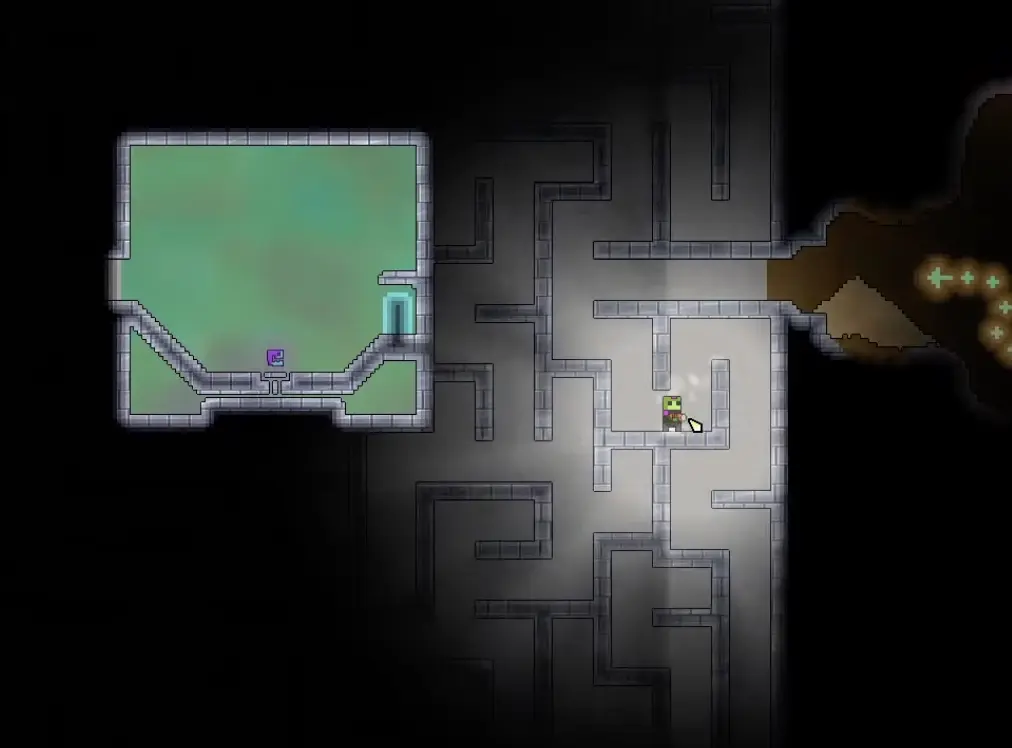
The Flashlight gives me enough visibility to read the nearby corridors and recognize dead ends.
I do not need a hidden code.
I do not need to destroy the structure.
I keep testing branches until I reach the Artifact.
That is much cleaner than creating my own tunnel and losing track of what the room was actually asking me to solve.
I Remember Puzzle Patterns Instead of Underground Directions
The reusable information I take away from an Artifact is not:
go a certain number of blocks left and then dig down.
It is:
Frostbed sits over Water.
or:
this is a dark corridor maze.
or:
the entrance is deliberately sealed by a material my current tool can remove.
Those patterns remain useful the next time I recognize the same type of room.
That is why I build my Artifact decisions around the chamber itself rather than trying to preserve somebody else’s exact exploration route.
I Return Home When Artifact Hunting Turns Into Random Digging
Artifact hunting needs a stopping rule.
I continue when:
- the room is already on my route
- I recognize the puzzle
- I have the right tool
- I am one or two interactions away from finishing it
I leave when:
- none of my tools affect the obvious obstacle
- I am making huge mining detours
- I am burning resources without learning anything new
- the factory has a clearer progression problem waiting for me
I do not need every Artifact before moving another factory tier.
The room will still be useful later when I return with better tools or a clearer understanding of the mechanic.
Later Artifact Rewards Keep Making the Rooms Worth Doing
The first Swift upgrade was not the only reason I kept solving nearby rooms.
Later Artifacts continued moving the Augment Forge forward and offered more permanent upgrade choices.
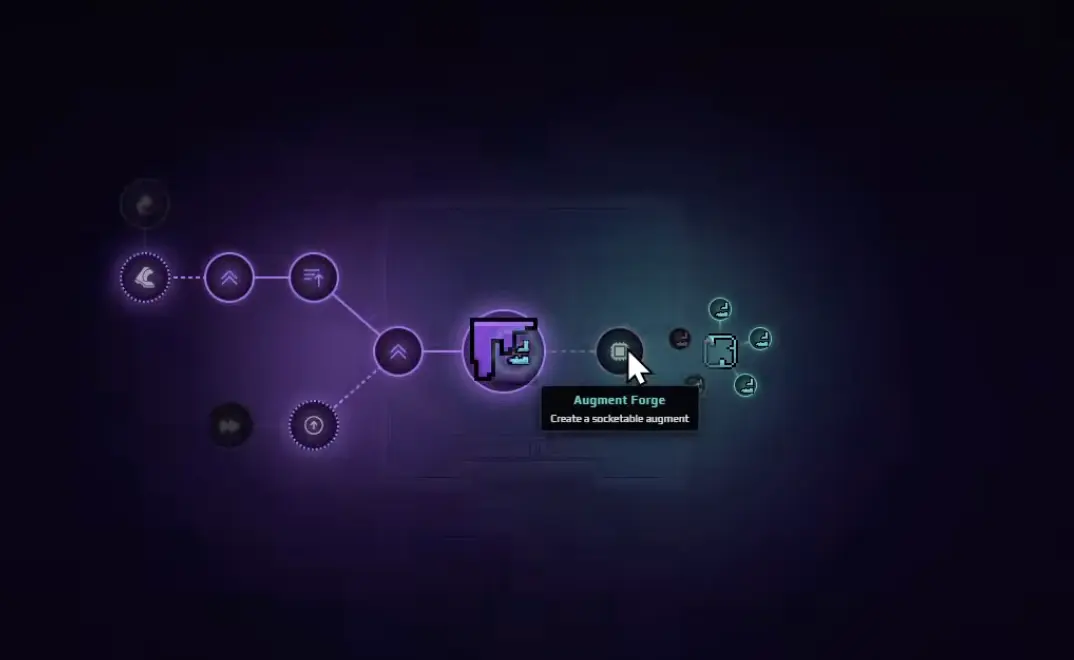
That is the value I care about.
Better movement makes future underground trips faster.
Weapon upgrades can make exploration easier.
And every completed room teaches me another puzzle pattern I can recognize quickly.
The Artifact Puzzle Patterns I Actually Use
My practical Artifact rule is:
follow intentional underground clues
→ identify the room pattern
→ inspect the material blocking progress
→ use the tool that interacts with that material
→ solve the intended room before trying to bypass it
→ claim the Artifact
→ check the reward
→ leave tool-gated rooms for later.
The three repeatable patterns I rely on most are:
Burnable or destructible entrance
→ clear the deliberate obstruction.
Frostbed over Water
→ break the Frostbed and use the Snow to freeze an Ice crossing.
Dark maze
→ bring the Flashlight, follow the corridors, and backtrack from dead ends.
Once I started recognizing those patterns, Artifact rooms stopped feeling like places I had to brute-force.
I usually know whether I can solve the room with what I am carrying — and when it is smarter to walk away and come back later.