How I Finished All 13 Shifts Solo
I finished all 13 Story Mode shifts alone. This is the priority system I use when customers, drivers, warnings, cleanup, and Hunts overlap.
Updated:
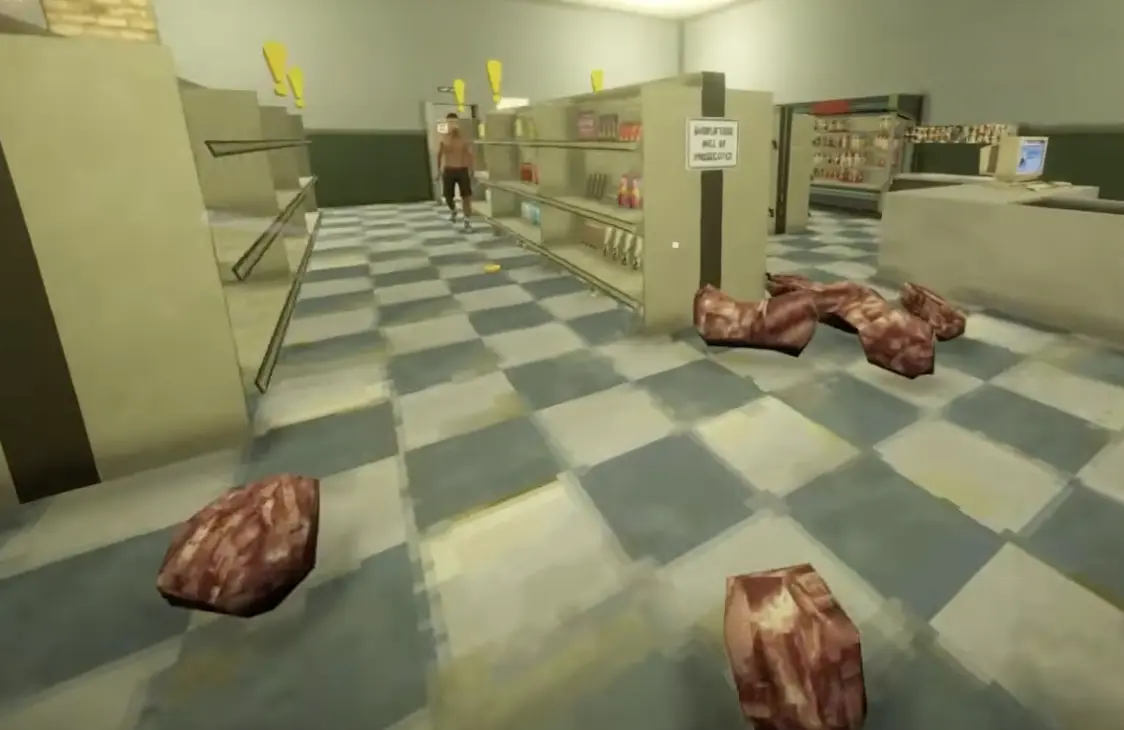
Quick Answer
Yes, I finished all 13 Story Mode shifts solo. My rule is to handle the task that can end the run or lose immediate income first: survive the active threat, solve any special Entity mechanic, serve the customer already at checkout, finish a nearly completed driver, remove blocking Troublemakers, restock only the required product, and leave cosmetic cleanup for last.
Solo is not mainly harder because every individual task changes.
It is harder because one player must decide which task is allowed to wait.
A customer can be standing at the register while a driver is outside, shelves are empty, a Troublemaker is blocking the aisle, the Music Box begins, and a Hunt warning is already active.
The route that worked for me was not “finish everything faster.”
It was:
Protect the run, protect the next transaction, and ignore work that is not blocking either one.
Can You Finish All 13 Shifts Solo?
I completed the full 13-Shift Story Mode route alone.
The main Solo disadvantage is that no second player continues the abandoned task. When I leave the checkout, the customer interaction waits. When I walk outside for a driver, nobody restocks the missing product. During a Hunt, I cannot actively watch both entrances at once.
| Mechanic | Solo observation | Co-op comparison |
|---|---|---|
| Task handling | One player moves between every work area | Players can run separate tasks in parallel |
| Customer checks | The counter pauses when I leave it | Another player can continue serving |
| Hunts | One player must cover both approaches | Roles can be divided between entrances and special mechanics |
The game is still manageable alone because most jobs do not deserve equal priority.
I do not try to keep the entire store perfect. I keep one usable work route, one active income task, and one prepared defense plan.
My Solo Priority Order
The order I use is:
Immediate threat → special Entity mechanic → checkout customer → nearly completed driver → blocking Troublemaker → required restock → cleanup or optional work
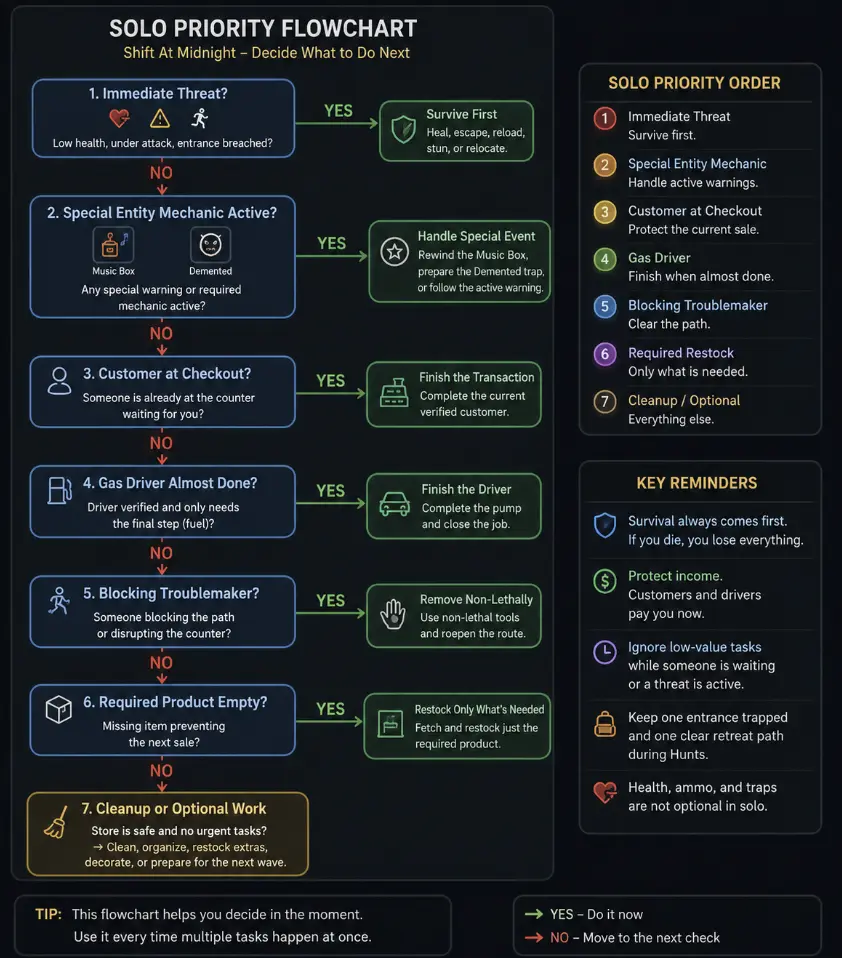
This priority order changes one important Solo habit:
I stop judging tasks by how quickly I can complete them.
A five-second cleanup is still the wrong task when a customer is about to leave or a Music Box is active.
Story Mode Solo Milestones
The 13 shifts include randomized work and threats, so I do not treat one run’s exact order as a universal schedule.
I plan around broader stages instead.
| Story stage | Main Solo pressure | What I prepare |
|---|---|---|
| Opening shifts | Learning the counter, stock, cleaning, and basic income | One repeatable route between computer, shelves, checkout, and exit |
| Early expansion | Drivers and more travel between work areas | Record fuel amount and plate before returning inside |
| Mid-story | New detection tools and special warnings | Keep essential tools accessible and read the computer before service |
| Late story | Hunts overlap with customers and store clutter | Pre-place required traps and reduce optional work |
| Final three days | Personal earnings affect the $250 surgery route | Protect verified transactions and avoid human-kill penalties |
| Shift 13 | Final survival, income, and ending check | Buy essential defense, clear the queue, and skip cosmetic perfection |
Opening Shifts
The early route taught me that passing quota and running an efficient store are different goals.
In my first completed Shift:
- the quota was $30;
- store revenue reached $77;
- I still made a serious mistake by killing a real human.
High revenue did not erase the bad decision.
The early shifts are where I build the habits that matter later:
- read first;
- verify before shooting;
- keep the checkout moving;
- do not clean the entire store between customers.
Early Expansion
Once drivers and outside work join the route, memory becomes a bigger problem than mechanical difficulty.
I reduce that pressure by collecting all driver information before walking back inside.
Mid-Story
New tools and warnings increase the number of possible solutions, but also the number of things that can distract me.
I do not buy or carry every available tool. I carry what answers the active problem.
Late Story
Late Hunts punish missing preparation.
A failed Demented encounter forced me to replay the current Shift because I had not prepared the required trap. After that, warning-specific equipment became more important than optional shopping or complete restocking.
Final Three Days and Shift 13
Late Story Mode income affects whether the pet’s $250 surgery route remains possible.
I do not repeat the full medical and ending logic here. The Solo rule is:
Verified income and survival are worth more than perfect cleanup during the final shifts.
The detailed route is in the Pet Guide and Endings Guide.
My Pre-Opening Route
Before opening, I follow this order:
Computer → active warning → shop → entrances → storage → required stock → checkout
1. Read the Computer
I read every warning before buying equipment.
The warning decides whether I need:
- a special trap;
- ammunition;
- healing;
- an explosive;
- clear low-floor visibility for the Music Box;
- a route that should remain unblocked.
Buying first and reading later wastes both money and preparation time.
2. Buy the Active Counter
I buy the item that solves the confirmed threat before optional weapons or decorations.
Examples include:
- a prepared trap for the Demented;
- enough ammunition for a Hunt;
- healing when my current health is low;
- an explosive for an uncovered entrance.
3. Place Equipment Before Normal Work
I do not carry every trap in my inventory waiting for the fight to begin.
Solo preparation works better when one entrance is already covered and the other remains my active lane.
4. Clear Only the Required Route
I remove objects blocking:
- the checkout;
- the path between both entrances;
- the prepared trap lane;
- access to the store computer or storage area.
I do not delay opening to clean harmless clutter at the edge of the store.
Fast Customer Checks
The customer check should be thorough enough to avoid a wrong decision, but not so long that every person blocks the queue.
My order is:
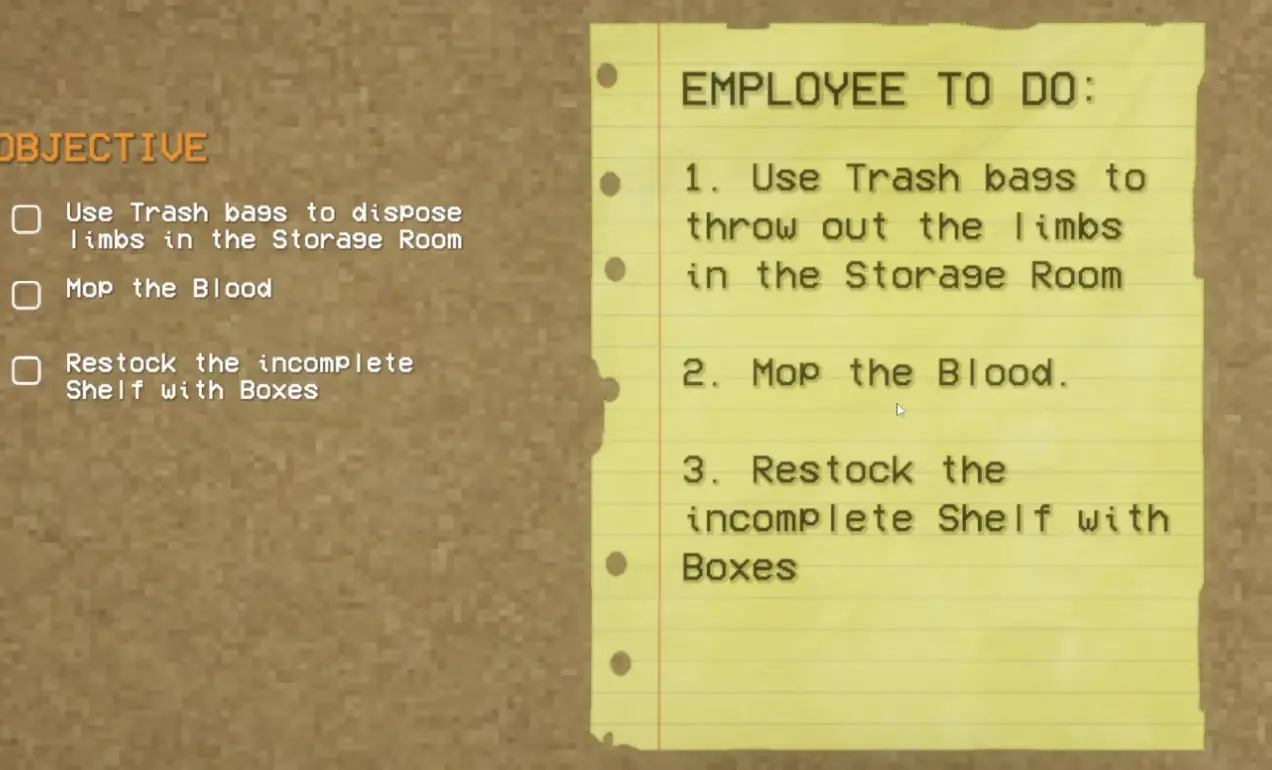
- search the exact name in the N.E.T. database;
- confirm Alive or Dead status;
- compare the date of birth;
- check occupation and major appearance traits;
- compare dialogue and carried items;
- use the Anomaly Lens only when the contradiction remains unresolved.
I investigate the strongest mismatch instead of asking every possible question.
For example:
- a dead person appearing alive is stronger than a vague clothing difference;
- the wrong occupation is stronger than ordinary small talk;
- a clearly incorrect birth date is stronger than one unusual item.
When I Leave the Counter
I leave an unfinished customer only for:
- an immediate survival threat;
- the Music Box;
- a required Entity mechanic;
- a route-blocking emergency.
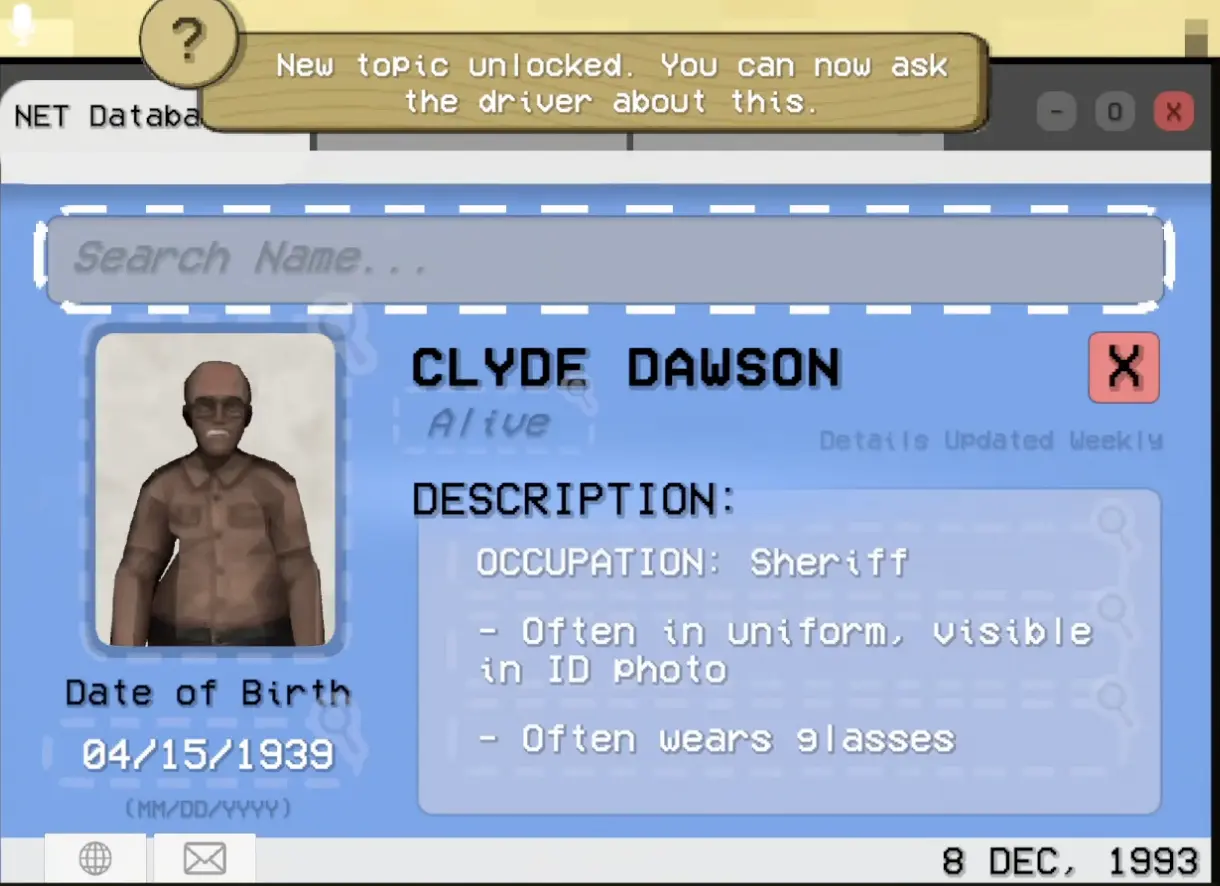
I do not leave in the middle of verification to clean blood or restock an unrelated shelf.
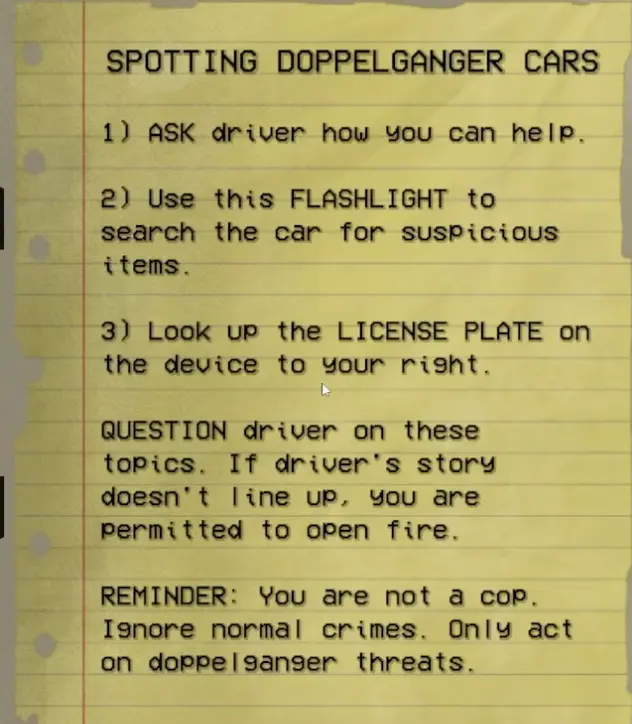
My Gas-Driver Route
Driver work becomes slow when I make several separate trips.
I use one loop:
- speak to the driver;
- record the requested fuel amount;
- inspect the vehicle;
- record the plate;
- return inside once;
- check the registry;
- question a meaningful mismatch;
- complete the pump interaction;
- return to the checkout route.
The two details I refuse to forget are:
Fuel amount + plate
If I remember both before returning inside, I avoid walking back to the vehicle just to recover one missing detail.
I interrupt a driver when:
- an active Entity appears;
- the Music Box begins;
- the driver route becomes unsafe;
- a customer is already blocking the checkout and the driver is not close to completion.
I finish the driver first when the verification is done and only the final pump step remains.
Restock and Clean Only What Blocks the Next Task
Restocking
I restock when a missing product prevents the current customer from completing a purchase.
I do not refill every yellow-marked shelf while the counter is occupied.
My order is:
- product needed by the active customer;
- product repeatedly requested during the current Shift;
- other empty shelves during a quiet period.
Cleaning
Cleaning is a route problem, not a perfection goal.
I immediately remove:
- meat blocking the checkout;
- clutter covering a trap trigger;
- trash narrowing the retreat path;
- objects hiding a small Entity;
- blood or debris obstructing an active work area.
I leave harmless edge clutter until the store is quiet.
Troublemakers
Troublemakers are human, so I do not treat them like Doppelgangers.
I use non-lethal tools or physical removal rather than lethal weapons. Killing a real person loses useful income and damages the final personal payout.
What I Buy First Solo
My shopping order is:
- Required special counter
- Dependable weapon and ammunition
- Healing
- Backpack when it reduces repeated trips
- Required stock
- Optional entrance defense
- Decorations
Healing is especially efficient when one mistake would otherwise end the Shift.
In the tested route, healing cost 3 coins and restored 50 health.
I do not wait until I am nearly dead to remember that it exists.
Backpack
I treat the Backpack as a convenience purchase, not a survival counter.
It becomes useful when extra carrying capacity removes repeated trips between storage, checkout, drivers, and trap lanes.
I still buy the active warning counter, weapon, ammunition, and healing first.
What I Skip
I skip:
- duplicate weapons without enough ammunition;
- decorations before the active threat is solved;
- overlapping traps covering the same small trigger area;
- excess stock while paying customers are already waiting.
Solo Hunt Preparation
One player cannot actively defend both entrances at the same time.
My solution is:
- make one entrance a passive trap lane;
- hold the other entrance as the active firing lane;
- leave one movement route open between them;
- keep healing and a second weapon accessible.
I do not repeat individual Entity mechanics here.
The important Solo distinction is that special rules override ordinary combat:
- the Demented requires observation and a prepared trap;
- the Jack-in-the-Box requires a floor search and rewind;
- Blood Moon Assaults require entrance preparation before the opening wave.
Use the Entities Guide for the shared Assault setup and its links to the individual threat guides.
When I Keep Working and When I Leave
I keep working after quota when a clear, useful transaction remains:
- a verified customer is already at checkout;
- a driver needs only the final step;
- a small amount of additional income can protect the late-story route;
- the store is safe and the task does not create new risk.
I leave when:
- quota is complete;
- no customer or nearly finished driver remains;
- active warnings are resolved;
- another minute would only improve cosmetic cleanliness;
- my health, ammunition, or route is becoming unsafe.
The failed Demented Shift changed this decision for me.
Replaying a full Shift costs far more than leaving one blood stain or partially empty shelf behind.
Common Solo Mistakes
- Finishing every opening task: open once warnings, essential equipment, and the checkout route are ready.
- Asking every customer question: investigate the strongest contradiction first.
- Forgetting fuel or plate information: record both before returning inside.
- Using lethal force on Troublemakers: remove them non-lethally.
- Restocking the entire store: fill only the product blocking the next transaction.
- Cleaning harmless clutter during a queue: protect checkout income first.
- Buying decorations before counters: solve the active warning before improving the store.
- Trying to recover from an unprepared special Entity: read the warning and place the required equipment before normal work.
- Staying after useful work is gone: leave once income opportunities and active threats are finished.
What to Read Next
- Read the Entities Guide for Blood Moon preparation, entrance defense, and special-threat priorities.
- Read the Jack-in-the-Box Music Box Guide for the floor-search route and rewind confirmation.
- Read the Pet Guide for the $20 and $40 medicine bills and the $250 surgery target.
- Read the Endings Guide for the final Clyde choice and all three outcomes.
FAQ
Can you finish Shift At Midnight solo? +
Yes. I completed all 13 Story Mode shifts alone. The difficulty comes from switching between the counter, drivers, shopping, cleanup, warnings, and Hunts without teammates handling a second task.
What should I prioritize first when playing solo? +
Immediate survival comes first, followed by active special mechanics, the customer already at checkout, a nearly completed driver, blocking Troublemakers, required restocking, and only then cleanup.
Does buying weapons and traps reduce the $250 pet fund? +
No. Store-shopping money is separate from personal funds. I still buy the equipment needed to survive because skipping a required trap does not preserve the surgery balance.
Should I finish every task before opening the store? +
No. I read the warnings, buy the active counter, place essential equipment, clear the checkout route, and open. Full restocking and cosmetic cleanup can wait for a quiet period.
What happens if the Demented captures you solo? +
In my route, the failed Demented encounter restarted the current Shift. That is why I prepare its trap before normal store work instead of trying to recover after it becomes active.