Where Are the Farms and Production Facilities on Catuaí?
Find the starting farms, coffee fields, banana plantations, production buildings, warehouse, train, museum, and Research Centre on the Catuaí map in FS25.
Updated:
Quick Answer
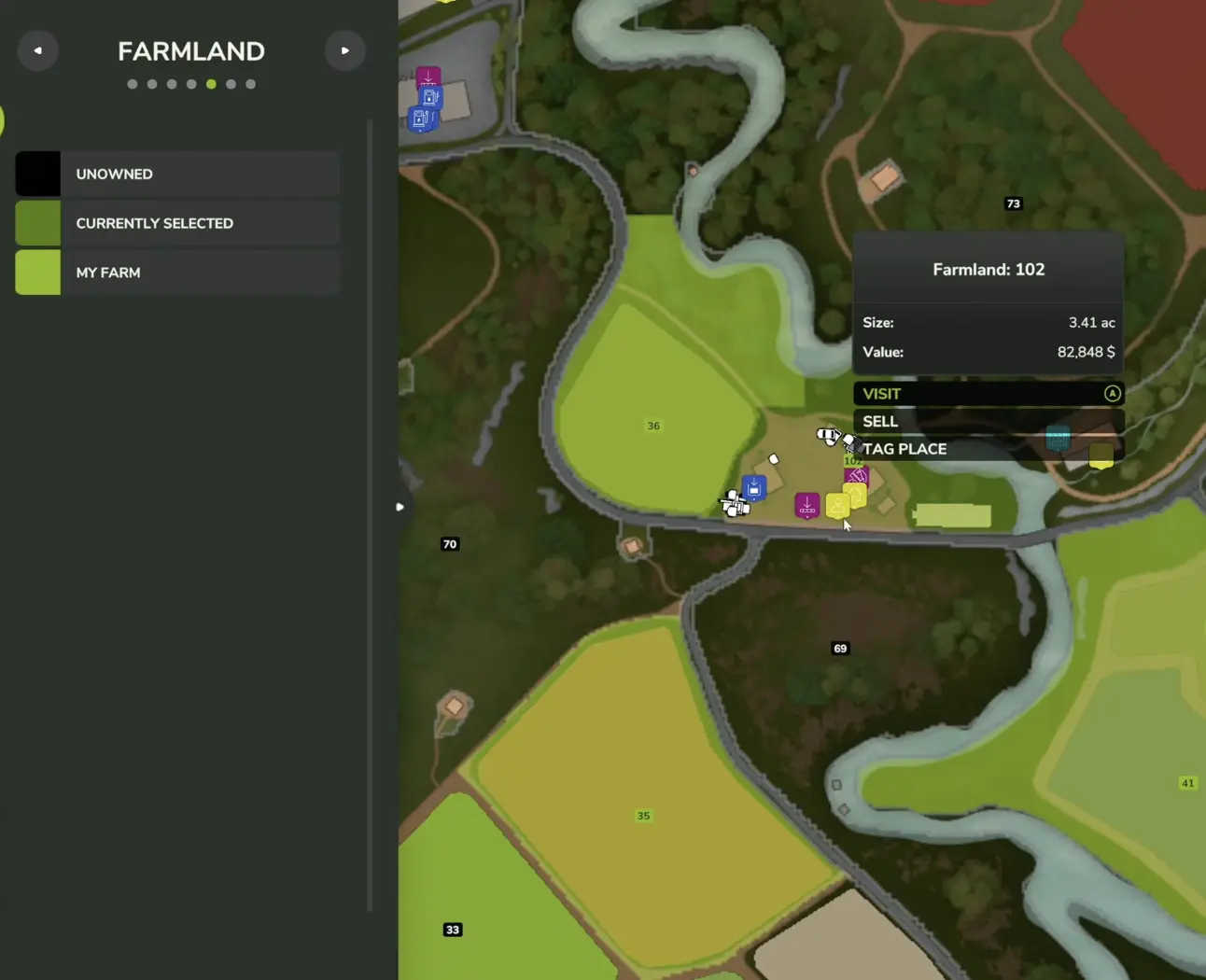
Open the Catuaí PDA map and select the Farmland view. In New Farmer mode, find Farmland 102 beside Field 36 to locate your starting farm. Switch to the Crops view to identify coffee and banana plantations, or select a facility icon to locate a shop or production building.
Catuaí has several places that look like ready-made farms, but they serve different purposes. The starting property has a farmhouse, machinery, storage, and some banana plants. Other farms have much larger banana areas, while the established coffee plantations occupy a separate part of the map. Buying the wrong property can leave you driving equipment across the river whenever you need to sell or process a harvest.
The winding roads make those distances matter. A field may look close to a factory on the PDA, yet the shortest vehicle route can involve a bridge, a village street, or a long road around the hills. This is particularly noticeable when transporting pallets and using larger trailers.
The useful way to read Catuaí is by its working areas: the central starting farm, the additional banana properties, the coffee-growing district, the village, and the more remote industrial sites.
Where Is the New Farmer Starting Farm?
In New Farmer mode, the starting farmyard is on Farmland 102, beside Field 36. Fields 35, 41, and 42 are nearby. Check the ownership overlay before placing new buildings, since field numbers and farmland parcel numbers are not interchangeable.
The initial farmland view is worth checking before changing anything. Several of the fields and buildings are close to one another, but they are not all contained within one small rectangular plot.
The starting farm includes a usable farmhouse, machinery storage, a conventional crop silo, and a separate storage area for bales and pallets. Its surrounding land is comparatively open, making it easier to maneuver ordinary field equipment than on the steeper coffee-growing hills.
The initial crop states shown on the New Farmer map include:
- Field 35: Oats ready to harvest.
- Field 36: Soybeans ready to harvest.
- Field 41: Plowed.
- Field 42: Harvested.
These are starting-field conditions, not permanent crop assignments. The fields can be cultivated and replanted as your farm develops.
The farmhouse has a usable interior with sleeping and wardrobe interactions. The yard also includes a 150,000 L silo and storage for approximately 250 bales or pallets.
These facilities are useful immediately because they allow ordinary crop harvesting and storage without constructing replacement buildings.
Where Are the Starting Banana Plants?
There are banana rows behind the starting farm buildings.
These existing rows do not guarantee a working connection to a washing station. Check the rails before harvesting, then connect the plantation and collect the bananas.
The starting property’s main geographical advantage is having conventional fields, storage buildings, and banana plants within a relatively compact working area. There is enough room to begin ordinary farming without immediately purchasing a second yard.
Where Is the Starting Equipment?
The New Farmer machinery is distributed around the starting farmyard and its storage buildings. Check the Vehicles menu to locate the machines you already own before collecting additional equipment from the main Vehicle Shop.
The starting equipment supports conventional fieldwork, but specialized plantation harvesting equipment should be checked separately before purchasing new land.
Where Are the Other Farms on Catuaí?
Catuaí includes several established farm properties outside the New Farmer starting holding. They are not interchangeable: some offer extensive banana-growing areas, while others are more suitable for conventional fields or coffee production.
The most important early distinction is between land that already contains a useful plantation and open farmland that gives you room to create a different operation.
Farmland 101 — Farmyard, Location, and Purchase Price
Farmland 101 is a separate southern property with a farmyard beside the road, not far from the river. Its purchase screen shows the parcel boundary and the buildings within it.
The surrounding area contains agricultural land, but nearby banana rows should not automatically be treated as part of Farmland 101. Check the ownership boundary before purchasing the property for its crops.
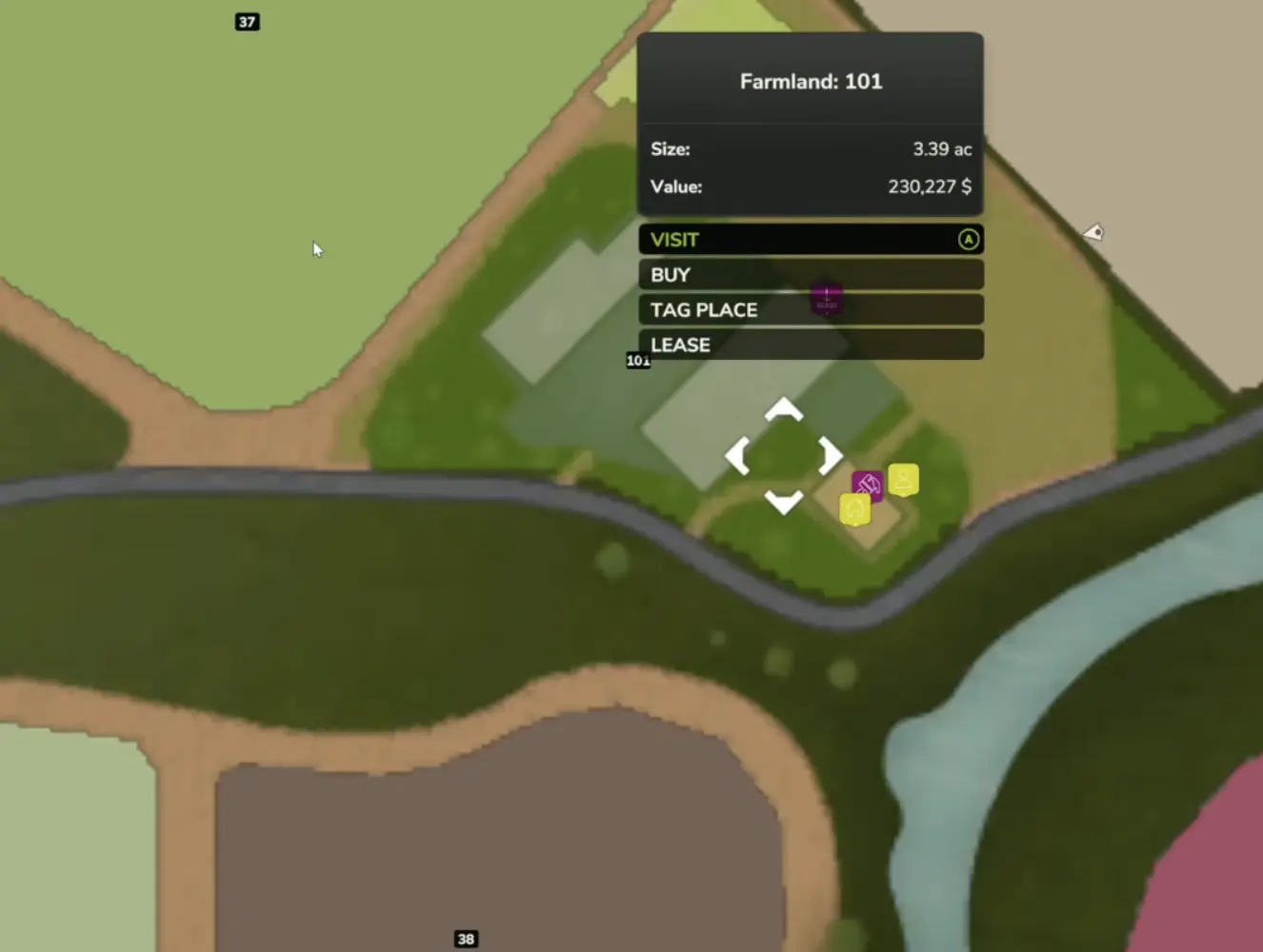
The property covers 3.39 acres and is listed at $230,227 in this save. Its existing farmyard may be useful if you need another operating base, but that investment is different from purchasing a large, empty planting field.
Before selecting Buy, compare the highlighted parcel with the nearby crop areas. A plantation beside the farmyard may belong to another farmland parcel, requiring a separate purchase.
How to Find Existing Banana Plantations Before Buying Land
Select Bananas in the PDA’s Crops view to identify established planting areas. Then switch to the Farmland view and select the parcel containing the rows you want to purchase.
Check the property boundary carefully. Nearby farmhouses, sheds, and banana rows may occupy different parcels, even when they appear to form one continuous farm.
Use Visit to inspect the actual yard entrances and vehicle access before buying. Existing structures can save construction work, but narrow entrances or buildings without usable doors may limit how conveniently you can operate the property.
The Coffee-Side Farmhouse
There is also a farmhouse near the central coffee-growing district.
Unlike the main starting farm, this property is better positioned for nearby coffee fields and production buildings. It has a usable house interior and a location that makes coffee-related travel more convenient.
Its immediate disadvantage is the comparatively limited storage and yard space.
This makes it more appealing as a base for a focused coffee operation than as a replacement for a large mixed-farming yard. The surrounding slopes and planted coffee rows also restrict how freely you can reorganize the land.
The farmhouse includes a painting delivery point, but restoring its appearance is separate from acquiring or operating the nearby coffee fields.
Where Are the Coffee Plantations and Processing Facilities?
The established coffee plantations occupy a central group of fields rather than being scattered evenly across Catuaí.
The PDA crop overlay makes this area easy to recognize: several adjoining plots show Coffee Cherries, with the Coffee Processing Plant and Coffee Roastery located around the same general district.
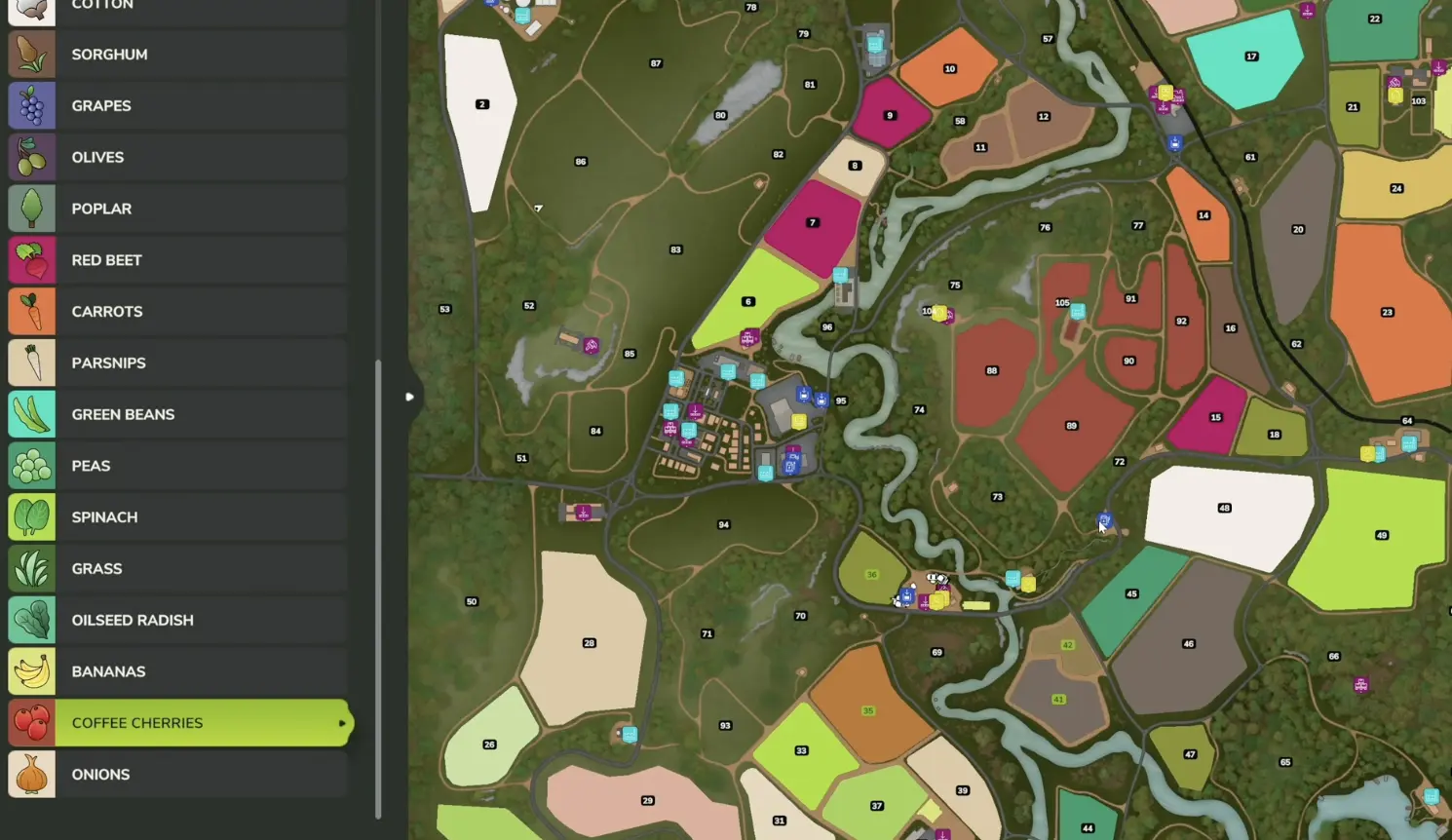
Among the coffee-growing plots shown in the area are Fields 88, 89, and 105. These are part of a larger group of planted fields, not the entire coffee-growing region.
The field layout follows the surrounding hills. Rows run along irregular boundaries, and the roads curve around the plantations rather than passing directly between every plot.
That changes how useful a field is once you own it. Road access for a trailer and enough room to turn at the ends of the planted rows are more valuable than simply buying the closest available field.
Coffee Processing Plant
The existing Coffee Processing Plant stands near the established coffee orchards.
This is the first major production building to locate when moving harvested Coffee Cherries off the fields. Its position means a nearby plantation can have a relatively short delivery journey, especially compared with transporting the crop across the map from a newly planted distant orchard.
The plant can be purchased through the usual production-building interaction. Buying nearby coffee farmland does not automatically mean the processing facility is yours.
Coffee Roastery
The Coffee Roastery is farther along the surrounding road network, near the coffee-side farmhouse and the route back toward the main starting area.
From the plantation district, follow the road toward the farmhouse and the nearby gas-station area. The roastery can be reached as part of this loop rather than requiring a trip through every street of the main village.
Its position is convenient once the Coffee Processing Plant is operating, although the two buildings remain separate production locations.
Once the coffee field and processing route are selected, prepare the harvester and deliver Coffee Cherries to the appropriate facility.
Where Is the Main Vehicle Shop?
The main Vehicle Shop is close to the village road network.
It is also the map’s vehicle reset location, so equipment reset through the vehicle system returns to this area rather than your personal farmyard.
The shop has a nearby Workshop interaction for servicing vehicles, along with a lime purchasing point.
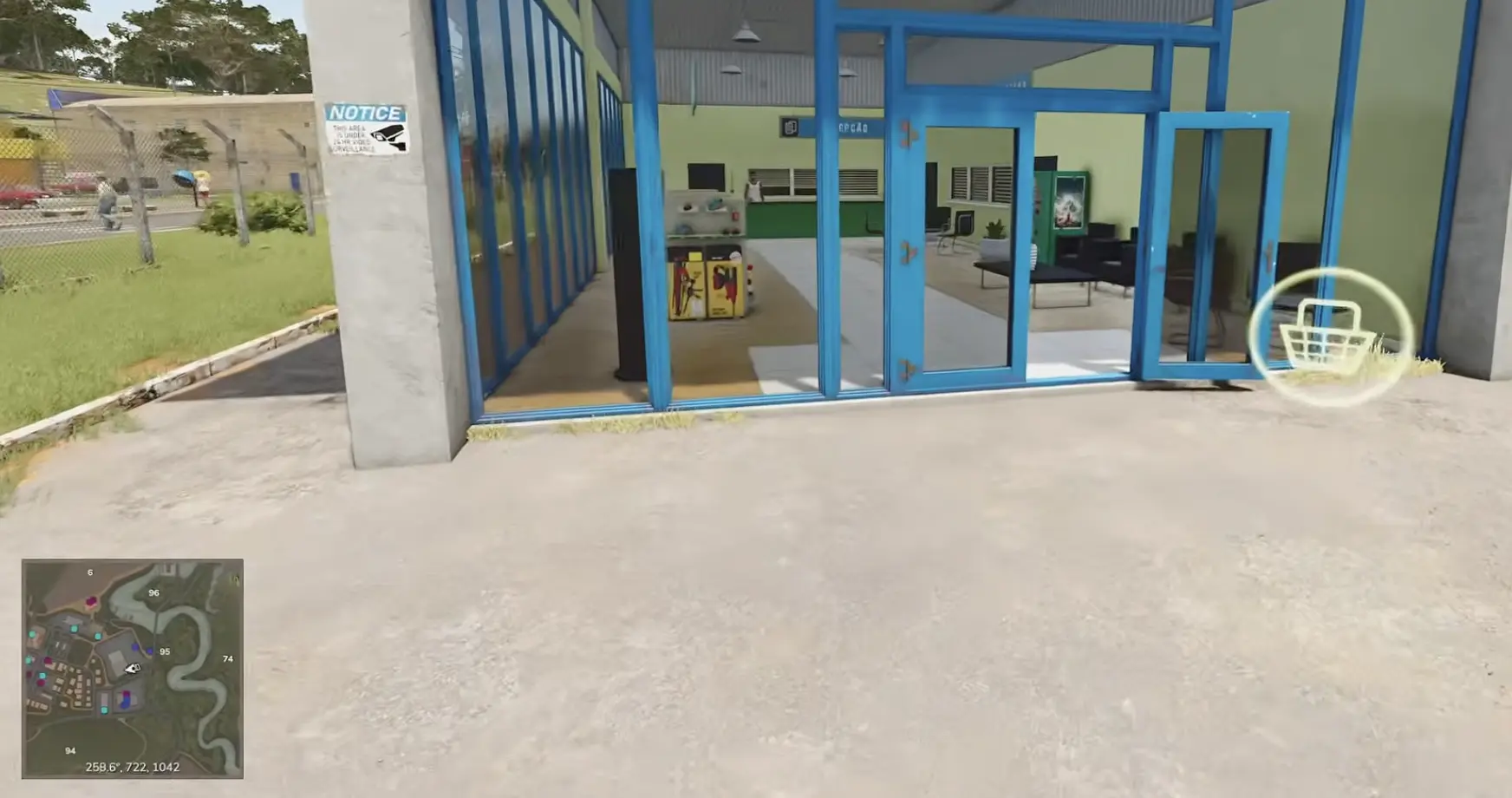
The equipment collection area is arranged differently from a long, straight equipment yard. Large newly purchased vehicles and implements can appear across a relatively broad area, sometimes at awkward angles for immediate attachment.
Before driving a large machine home, check its exit route and the width of nearby roads. This is especially useful when collecting a harvester with a wide attachment or transporting several purchased machines together.
Do not assume an equipment reset will return a machine to the field where it was being used. It must be collected again from the shop area.
Where Are the Main Selling Points and Production Buildings?
The main village contains a dense group of selling points and production facilities.
From the central starting farm, follow the road toward the built-up area to the northwest. The village contains several production buildings close enough to visit during one trip, although their entrances and unloading areas are on different streets.
The Village Production Area
The buildings around the main village include:
- Canning Factory: On the town-side route near a gas station.
- Bakery: In the built-up village area, close to other selling points.
- Coffee Shop: Within the central town network.
- Tailor Shop: Near the Hospital and Farmers Market area.
- Spinnery: Along the industrial route near the Paper Factory and Logistics Center.
- Paper Factory: In the same general industrial area as the Spinnery.
- Logistics Center: A selling point near the industrial buildings.
- Supermarket: A selling point near the village gas-station area.
- Farmers Market: Within the town’s commercial streets.
- Art Shop: Near the Bakery and other central selling points.
- Hospital: A selling point close to the Tailor Shop.
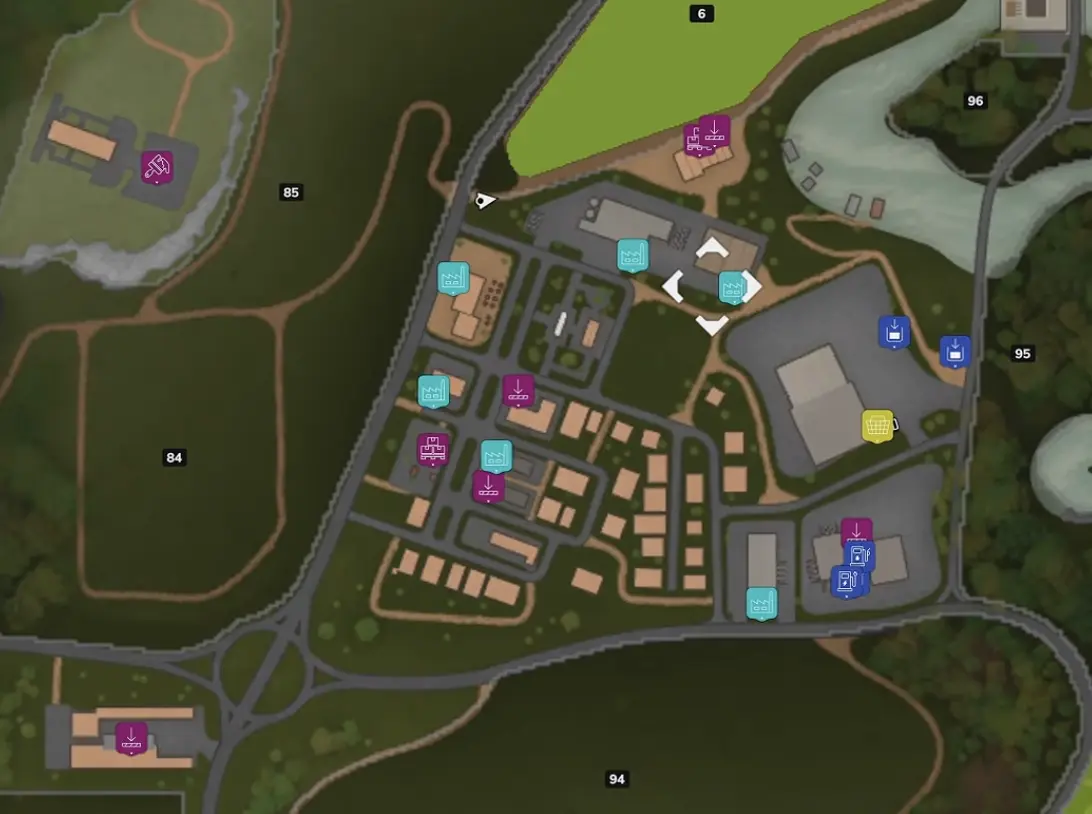
This concentration is helpful for farms producing several palletized goods. Multiple potential destinations are within the same urban area, so a delivery route can be planned without crossing the map between every stop.
However, being close on the PDA does not mean two unloading triggers face the same street. When hauling a long trailer, approach the selected facility’s actual entrance rather than trying to reach it directly across nearby buildings.
Where Is the Spinnery?
The existing Spinnery is on the town’s industrial route, near the Paper Factory and Logistics Center.
This is a useful destination for players producing Alpaca Fleece or other accepted textile materials. It is reached through the village road network rather than the remote forestry area.
Check the facility’s ownership and input trigger before unloading. The building’s geographical position does not establish that it has already been purchased.
After locating the Spinnery, check how to shear alpacas and turn Fleece into Alpaca Wool before arranging the delivery.
Where Is the Warehouse?
The Warehouse is on the northern industrial side of Catuaí, accessible from the roads connecting the Animal Dealer, Oil Mill, and railway facilities.
It provides a pallet purchase point and a selling point.
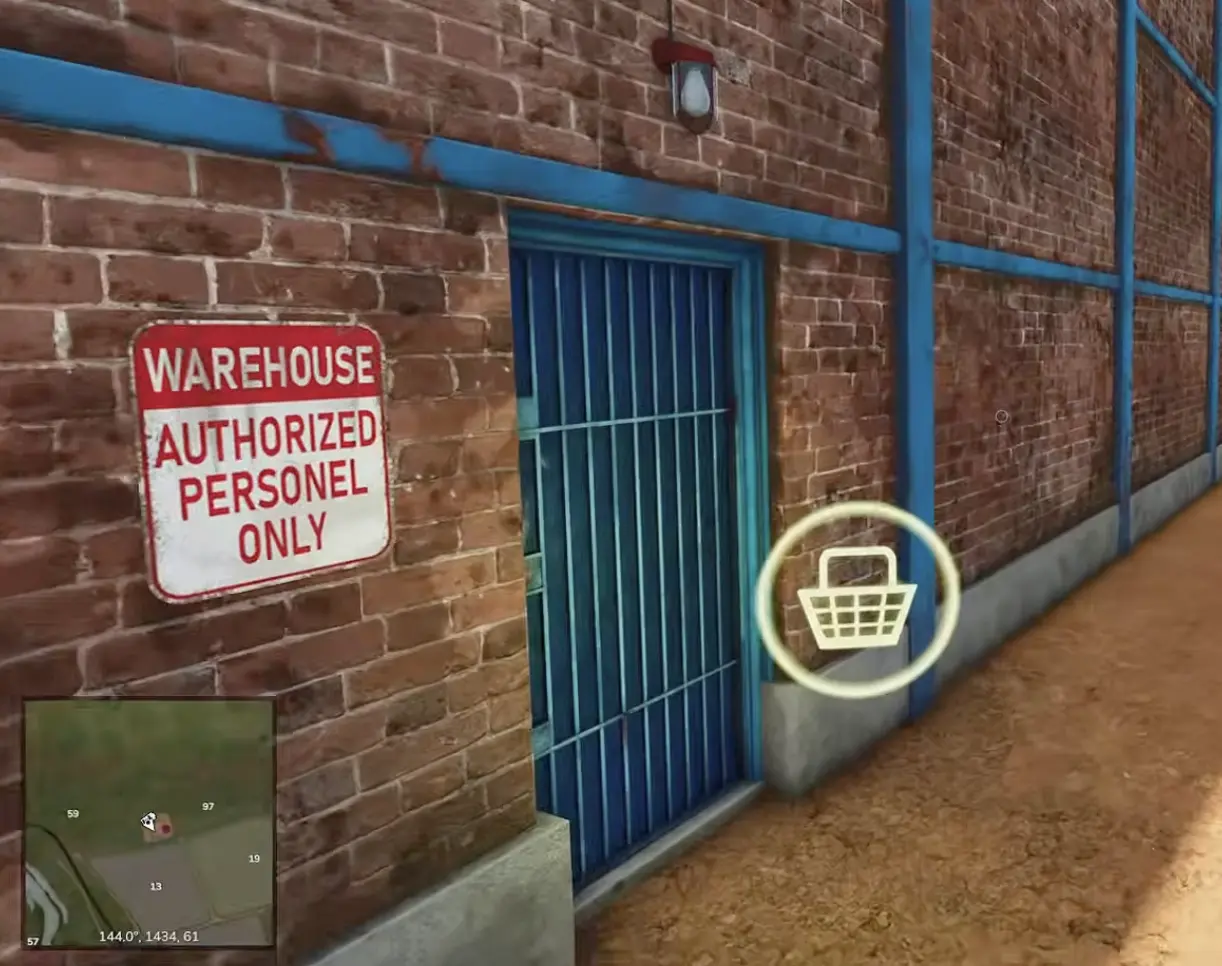
The Warehouse purchase interaction offers materials and finished products, including goods introduced with Beans & Alpacas.
Open the purchase menu at the blue doorway and check that the required product is listed before arranging transport. The purchase point and the nearby selling interactions serve different purposes, so use the one that matches your delivery or collection task.
Where Is the Train, and How Do You Use the Railway Silos?
Catuaí has a railway connection for transporting goods to an external selling destination.
The important facilities are Railroad Silo North, the railway transfer area, and the train rental point.
These are located on the northern side of the map, beyond the main village’s industrial roads.
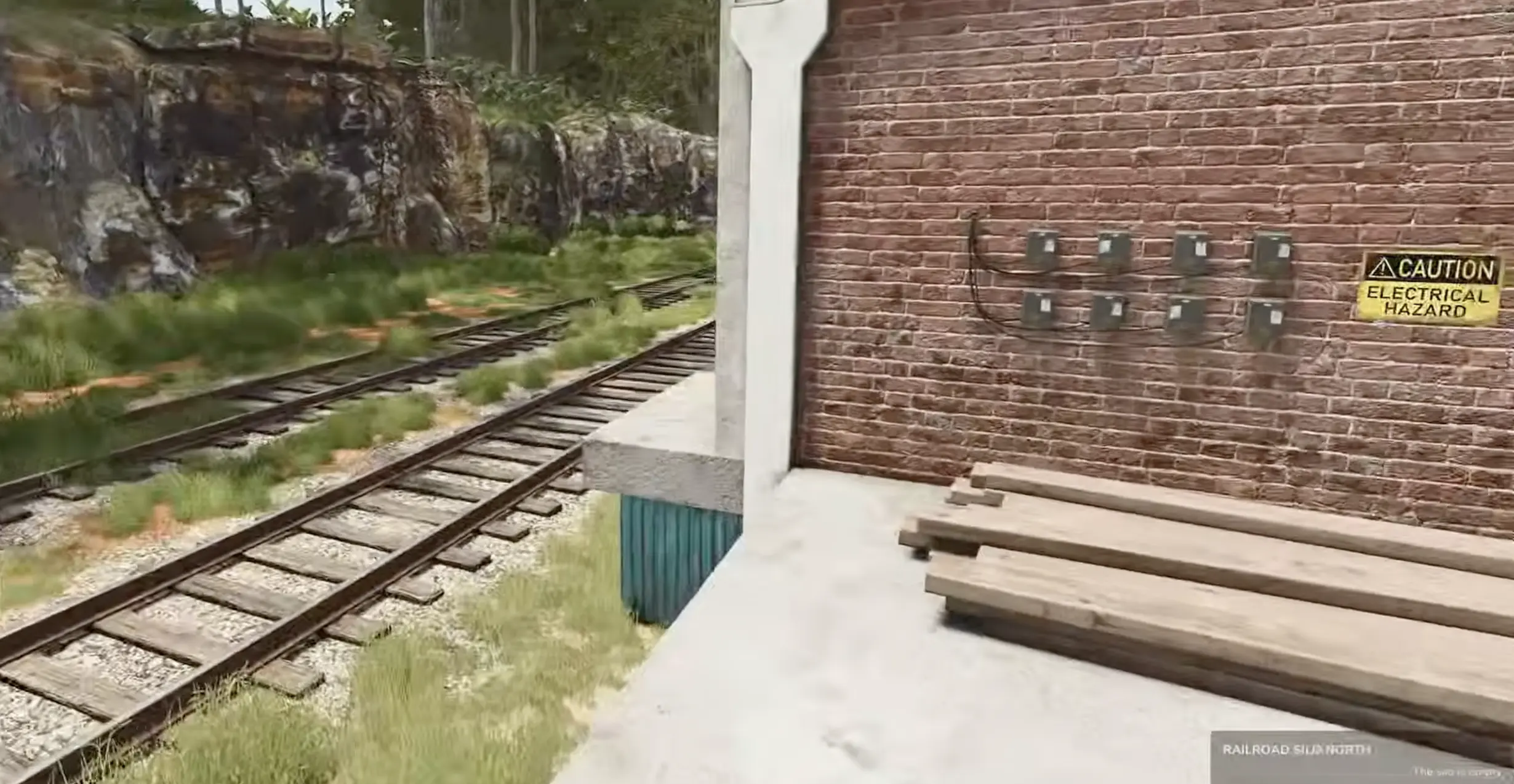
The railway facilities serve different actions. A transfer silo moves compatible goods between ground transport and the train, while the rental point makes the train available for loading and departure.
For a delivery requiring the train:
- Find the railway facility using the PDA map.
- Bring the required goods to the appropriate rail transfer location.
- Rent the train from the nearby rental point.
- Load the goods through the transfer system.
- Send the train to the required external destination.
Do not confuse the railway transfer silo with an ordinary farm storage silo. Its function is connected to loading and unloading the train.
Catuaí’s rail export destination is Estancia Lapacho. When a contract requires delivery there, taking the products to an unrelated town selling point will not satisfy the rail-delivery requirement.
Before accepting a large rail contract, check whether you have a suitable vehicle to carry the goods to the northern railway area. The journey from the southern farms can be considerably longer than a normal local delivery.
Where Are the Animal Dealer and Oil Mill?
The Animal Dealer lies on the northern side of Catuaí, near the Oil Mill.
The Oil Mill is a conspicuous industrial structure, making it a useful landmark when navigating the nearby road network. From this area, the roads also connect toward the Warehouse and other northern facilities.
The Animal Dealer has a recognizable raised walkway and an animal purchase interaction. It is separate from the main vehicle shop.
Nearby facilities include manure and liquid-purchase points, which can be useful when planning a route involving several agricultural deliveries.
The distinction between shops matters: the vehicle shop handles machines and attachments, while the Animal Dealer handles livestock transactions and compatible animal transport.
For a farm established in the south, it is worth arranging livestock purchases and other northern errands together rather than making several isolated trips.
Where Are the Pigment Factory, Paint Production, and Sawmill?
Catuaí spreads its forestry and paint-related buildings across several areas instead of placing them inside one industrial compound.
The Pigment Factory is located beyond the Carpentry facility, on the road leading away from the central village.
The Paint Production building occupies a different location near the river and the surrounding industrial road network.
The Sawmill lies farther into the wooded area, close to the route toward the Research Centre.
These are three separate destinations, and the road connecting them is not a short, straight industrial yard.
Pigment Factory and Carpentry
A useful landmark is the Carpentry facility. Continue along the road past it to reach the Pigment Factory.
The mine and sawmill are farther away, so checking the PDA route before transporting heavy materials can prevent unnecessary travel.
For large trailers, use the roads rather than attempting a direct route across the wooded hills.
Sawmill
The Sawmill is accessed by following the more remote road toward the forested section of Catuaí.
It has a conventional log-delivery and production interaction area. Behind the facility is a large water feature, but the water itself should not be treated as an alternative log delivery point.
Bring timber to the actual marked unloading interaction instead of dropping it into the water.
The Sawmill is also a useful landmark for the nearby Research Centre construction area and the route continuing toward the mine.
Copper and Iron Ore Mine
Continue through the wooded industrial area beyond the Sawmill to reach the Copper and Iron Ore Mine.
The mine provides a drive-through loading interaction and a separate pallet purchasing option.
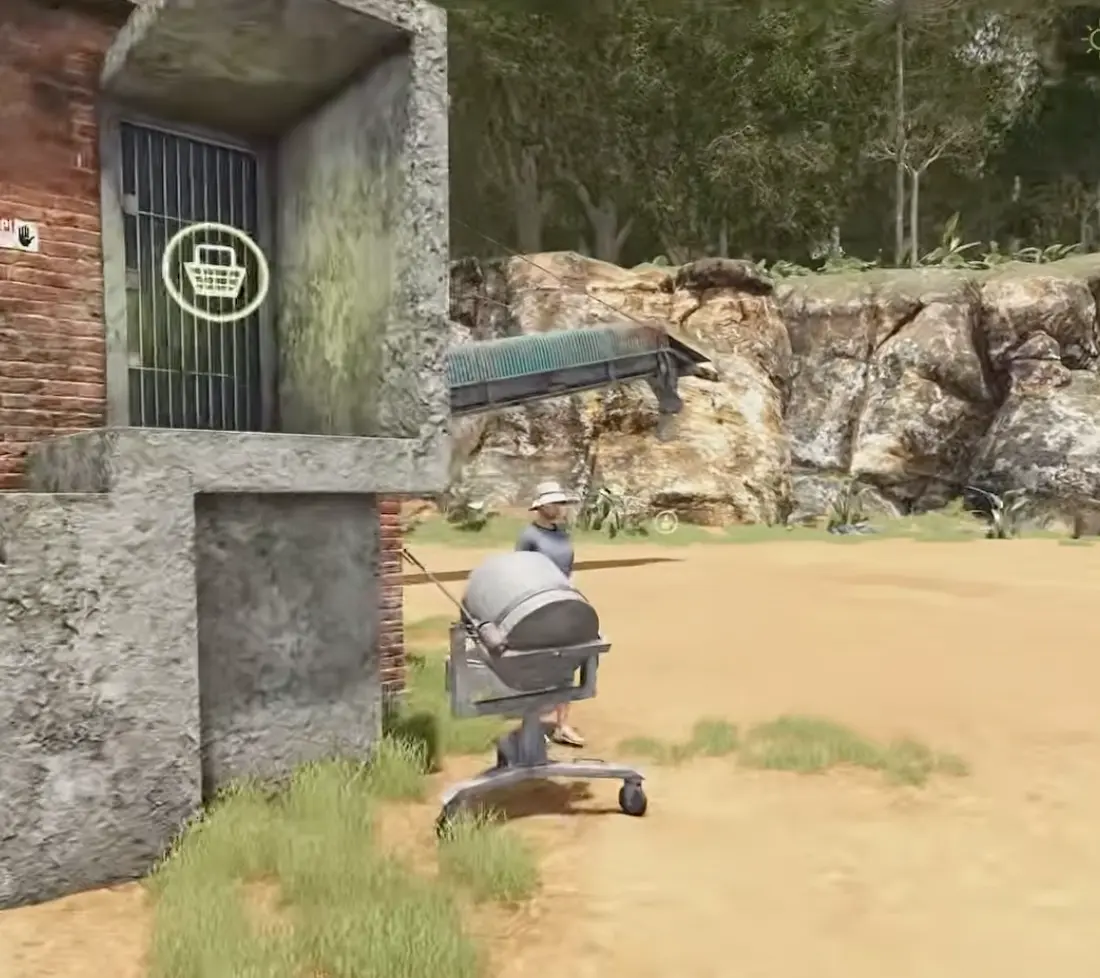
Choose the location that matches your transport equipment. A trailer capable of receiving bulk ore is more convenient for a large delivery, while pallet purchases require suitable pallet-handling equipment.
The mine is well away from the central village, so returning without the correct vehicle can waste a considerable amount of driving.
Where Is the Research Centre Construction Site?
The Research Centre is not inside Catuaí’s main village.
It is located in the rainforest toward the edge of the map, reached by a smaller road branching away from the route near the Pigment Factory and the more remote industrial facilities.
From the Carpentry and Pigment Factory area, follow the road into the wooded countryside. Look for the narrower side track leading toward the construction site rather than continuing directly along the main road toward the Sawmill.
The site is a construction project, not a fully operational building at the beginning.
That matters for deliveries: a player hauling construction materials must reach the project’s delivery interaction, not simply drive around the unfinished structure looking for an ordinary production input.
The route becomes more important when carrying pallets or using a trailer that needs room to turn. Take the marked road and side track rather than trying to cross the surrounding vegetation directly.
Where Is the Dinosaur Museum?
The Museum is in the main town, near the football pitch.
It is close to the central commercial and industrial part of the village rather than the distant Research Centre.
The museum grounds contain the dinosaur skeleton display, which changes as collected bones are added.
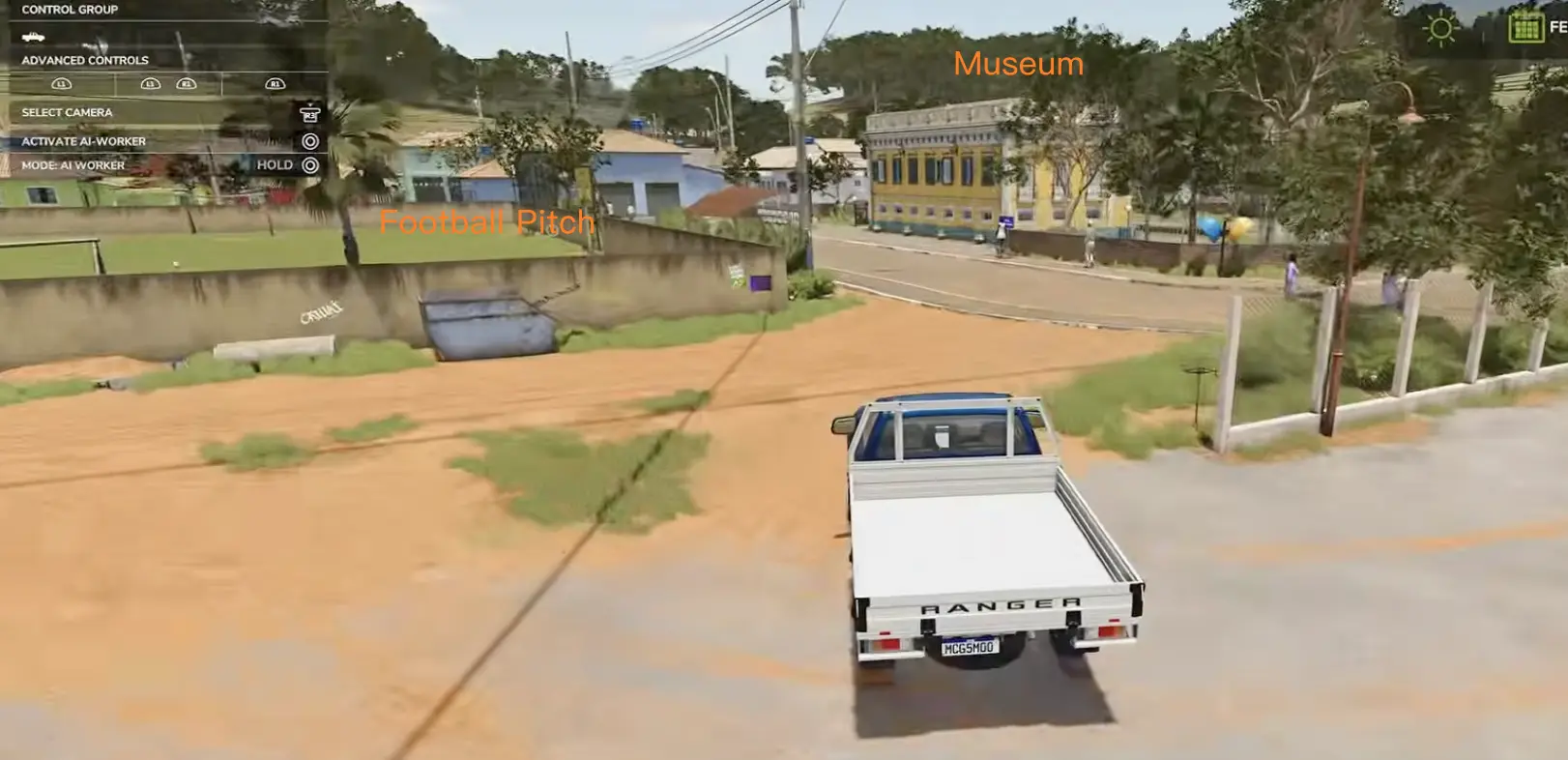
The football pitch is the most useful nearby visual landmark. Once you reach it, check the museum side of the surrounding road instead of searching the industrial buildings farther away.
The museum is a destination for checking the dinosaur collection, not a conventional shop or animal dealer.
The collecting activity takes place elsewhere on Catuaí, so visiting the museum alone does not complete the dinosaur display.
What Should You Check Before Buying Land on Catuaí?
Before purchasing another property, compare the Farmland and Crops views. The crop overlay shows what is growing in an area, while the farmland overlay determines which parcel you are actually buying. A farmhouse, its neighboring fields, and a visible plantation do not necessarily belong to the same purchase.
Next, inspect the route a working vehicle would need to take. Catuaí’s river and winding roads can turn a short distance on the PDA into a much longer delivery. Check the nearest usable bridge, the property’s road entrance, and whether your trailer has enough room to turn without driving through planted rows.
Use Visit to inspect the buildings before paying for an established farmyard. Existing sheds can save construction costs, but some doors and garage-like structures are not usable vehicle storage. Confirm which buildings and access points actually serve your operation before treating them as part of the property’s value.
For coffee farmland, pay particular attention to the road connection between the planted rows and the nearby processing district. For banana properties, confirm which planting areas are included in the purchase boundary. Farms closer to the village may offer shorter journeys to several selling points, but narrow streets and building entrances can still complicate large deliveries.
Once the parcel boundary, usable buildings, and road access are clear, you can judge whether buying an existing farm is preferable to constructing the facilities you need on open land.