I use Badges as a pre-run adjustment: add survivability when a team is fragile, support a clear plan, and buy more Badge Slots only when I can use them.
→ spend permanent progression on the problem that actually limited the last run
If progression stops moving, I do not immediately grind another random attempt. I first check whether the problem is the mission, the run setup, Survival Level, the build or a mode requirement.
Yet Another Zombie Survivors 1.0 became much easier to understand once I stopped treating every attempt as:
enter arena → survive → repeat.
The run itself is only one part of progression.
A lot of the important decisions happen after I return to Camp:
which mission comes next;
which Survivor I should use;
what the previous run was missing;
whether I should spend on combat or permanent progression;
which mode I should enter next.
So the question I ask after almost every run is not:
Can I play another one?
It is:
What should the next run accomplish?
I Return to Camp After Every Important Run
The Survivors’ Camp is where I reset the plan.
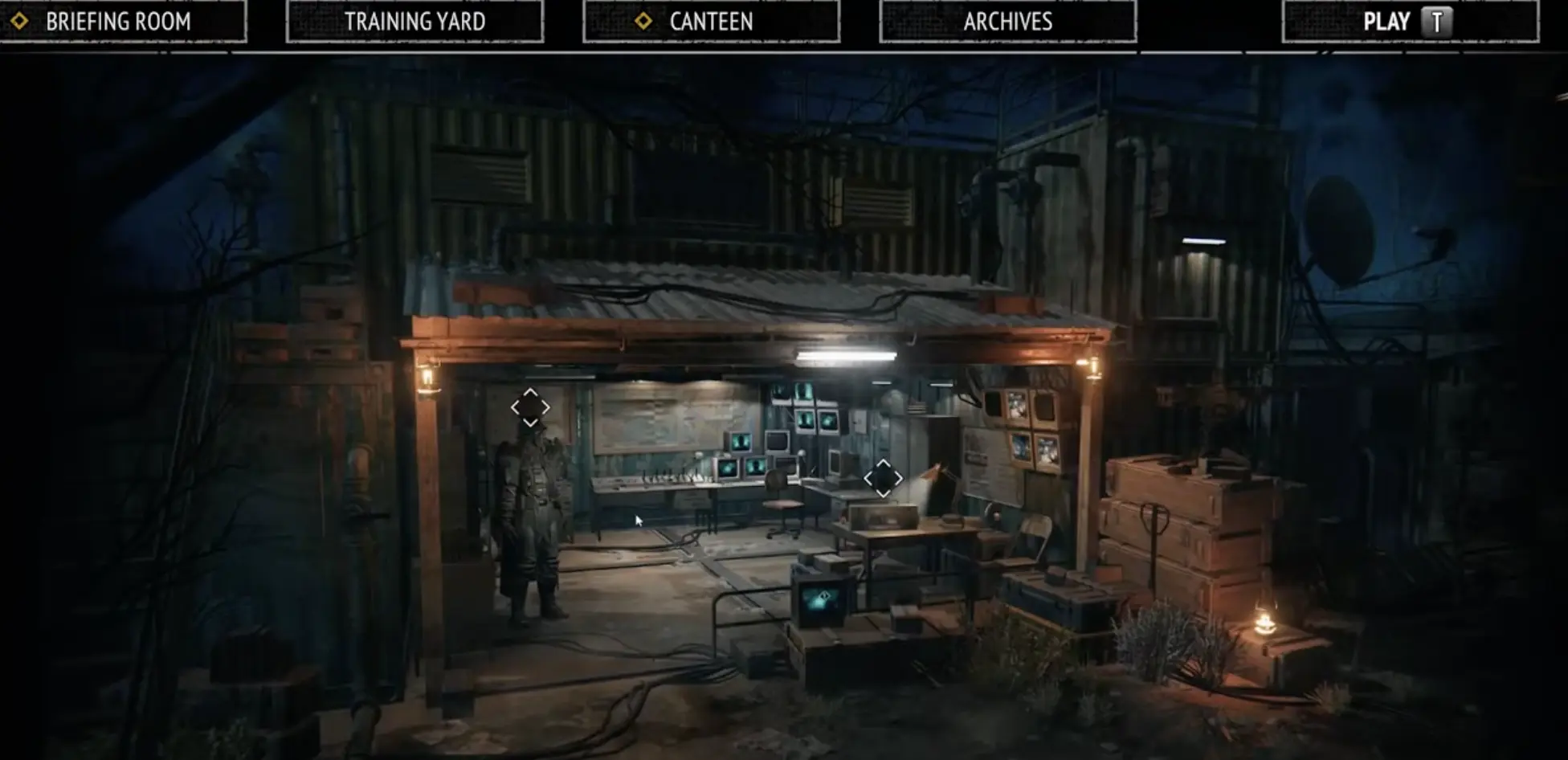
It gives me several places that affect the next attempt:
Briefing Room for available missions;
Mission Log for missions I have already seen and their requirements;
Training Yard for permanent upgrades;
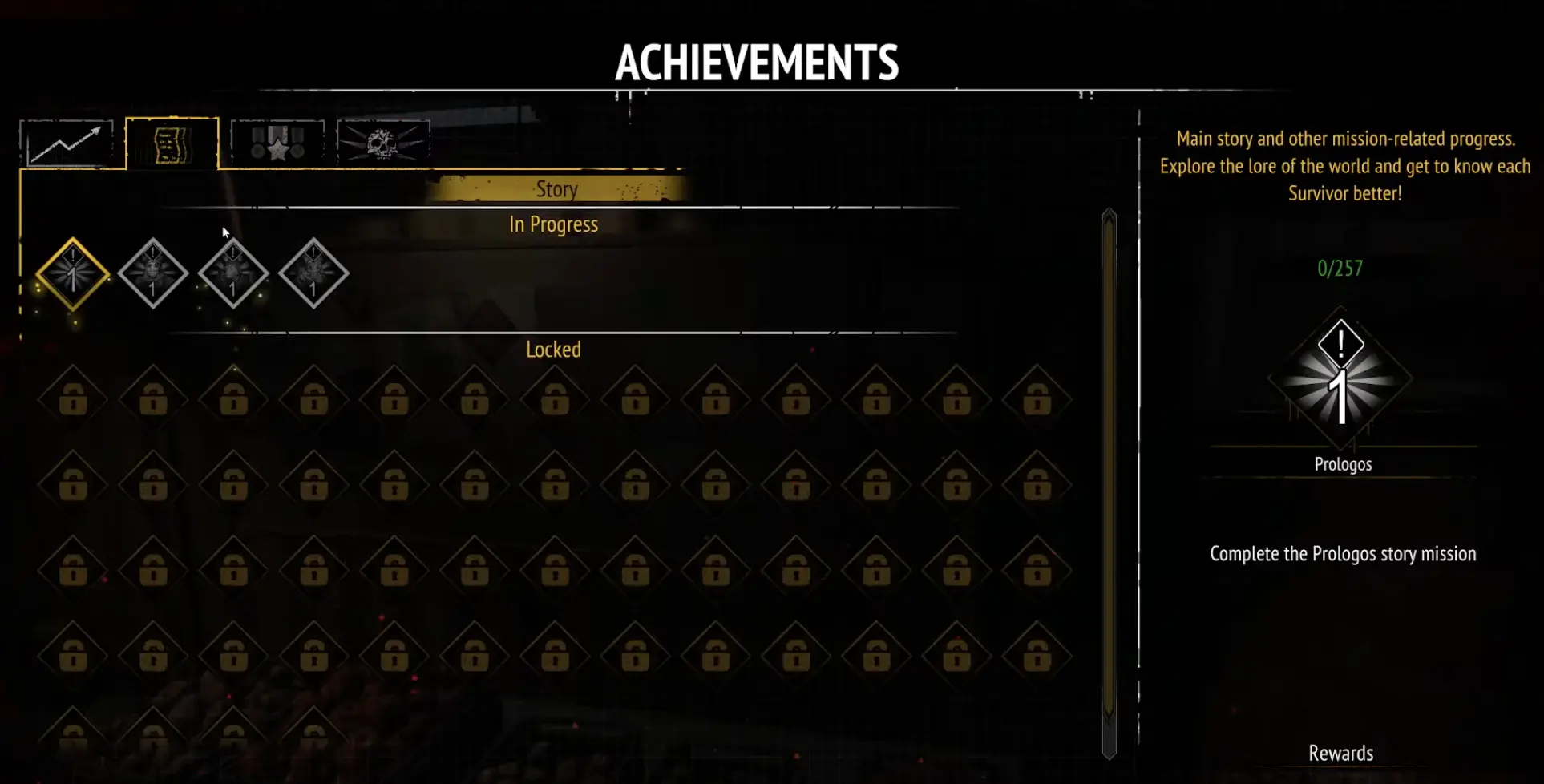
Canteen for Survivor interactions and achievements;
Archives for the Survival Guide and Zombipedia.
I return to Camp before automatically starting another run. Missions, permanent upgrades and new unlocks can all change what I should do next.
My normal rhythm is:
finish a run → return to Camp → check what changed
A successful attempt can open more than one thing at once.
That is why I prefer reading the new state of the account before spending everything or repeating the same setup.
Missions Give My Early Progression a Direction
On a new save, missions stop me from wandering through unrelated runs.
I accept the objective first and then check what it actually requires.
Some missions care about:
a particular Survivor;
an arena;
a game mode;
a pickup;
an item;
a specific interaction during the run.
So I do not choose the whole team before reading the objective.
I use the
missions guide
when I need the full flow through the Briefing Room, Mission Log, Survivor stories and repeatable missions.
If the mission itself appears missing or refuses to progress, I use the
mission progression checks
before spending another full run testing a guess.
I Build One Damage Source Before Building Everything Else
My early runs became much more reliable when I stopped spreading upgrades across too many unfinished weapons.
I want one part of the team clearly doing its job first.
That might mean strengthening the starting weapon enough to control the opening.
Then I can add:
another Survivor;
another weapon path;
a useful synergy;
utility;
longer-run scaling.
What I avoid is ending up with several attacks that are all halfway to becoming useful.
My most reliable early progression has come from building a stable core first and then letting the actual run tell me where the next damage investment belongs.
The combinations, weapon paths, Multi-shot results and synergy decisions are in my
builds and synergies guide.
I Separate Survival Level From the Leveling Happening Inside a Run
Several progression systems can move at the same time.
That makes it easy to farm the wrong thing.
During one run I may be gaining:
normal XP;
Survivor progression;
Cash;
Military Training;
weapon and ability levels.
Those do not all advance the same target.
When I specifically want permanent Survival Level progression, I pay attention to Cash.
When I want the active run to develop faster, that is a different problem.
This distinction becomes increasingly important once later Survivor unlocks give me a reason to push Survival Level deliberately.
know which progression bar I am actually trying to move.
I Spend Permanent Upgrades on the Last Run’s Bottleneck
I do not follow one permanent upgrade order regardless of what is happening.
I look at how the previous attempt failed.
If basic enemies stayed alive too long, I need more reliable damage.
If damage was fine but I kept getting boxed in, movement becomes more important.
If the build was already comfortable, I can afford to invest more heavily in progression and economy.
That prevents two mistakes I made early:
buying more damage when positioning was killing me
and:
buying more economy when the account still could not finish runs reliably.
Permanent progression works much better when it solves something I actually experienced.
Military Training Starts a Second Upgrade Track During the Run
Military Training looks similar to normal leveling because another meter fills and another choice appears.
I keep it separate.
Normal leveling develops weapons and abilities.
Military Training gives me passive stats for the current attempt.
That makes it useful for things such as:
recovery;
cooldown;
damage;
critical stats;
pickup utility.
I usually already know what the build is doing by the time a Military Training choice appears.
Then I use the bonus to strengthen that plan or patch one obvious weakness.
The orange pickups, separate MT meter, rarity system and 50% team-sharing rule are covered in my
Military Training guide.
The distinction I care about during the run is:
weapons create the build
Military Training adjusts the stats around it.
Badges Are My Last Decision Before Starting
Badges happen at a different point.
I choose them before the run starts.
That makes them useful when I already know what kind of attempt I am entering.
If I am taking an underdeveloped team into something dangerous, I value a safer opening.
If the same content already feels comfortable, I have more freedom to use the Badge slot differently.
I do not expect a Badge to rescue an account that is badly underpowered.
It is a final adjustment to a setup that already has a reasonable chance of working.
My Badge choices and the permanent Badge Slot upgrade are in the
Badges guide.
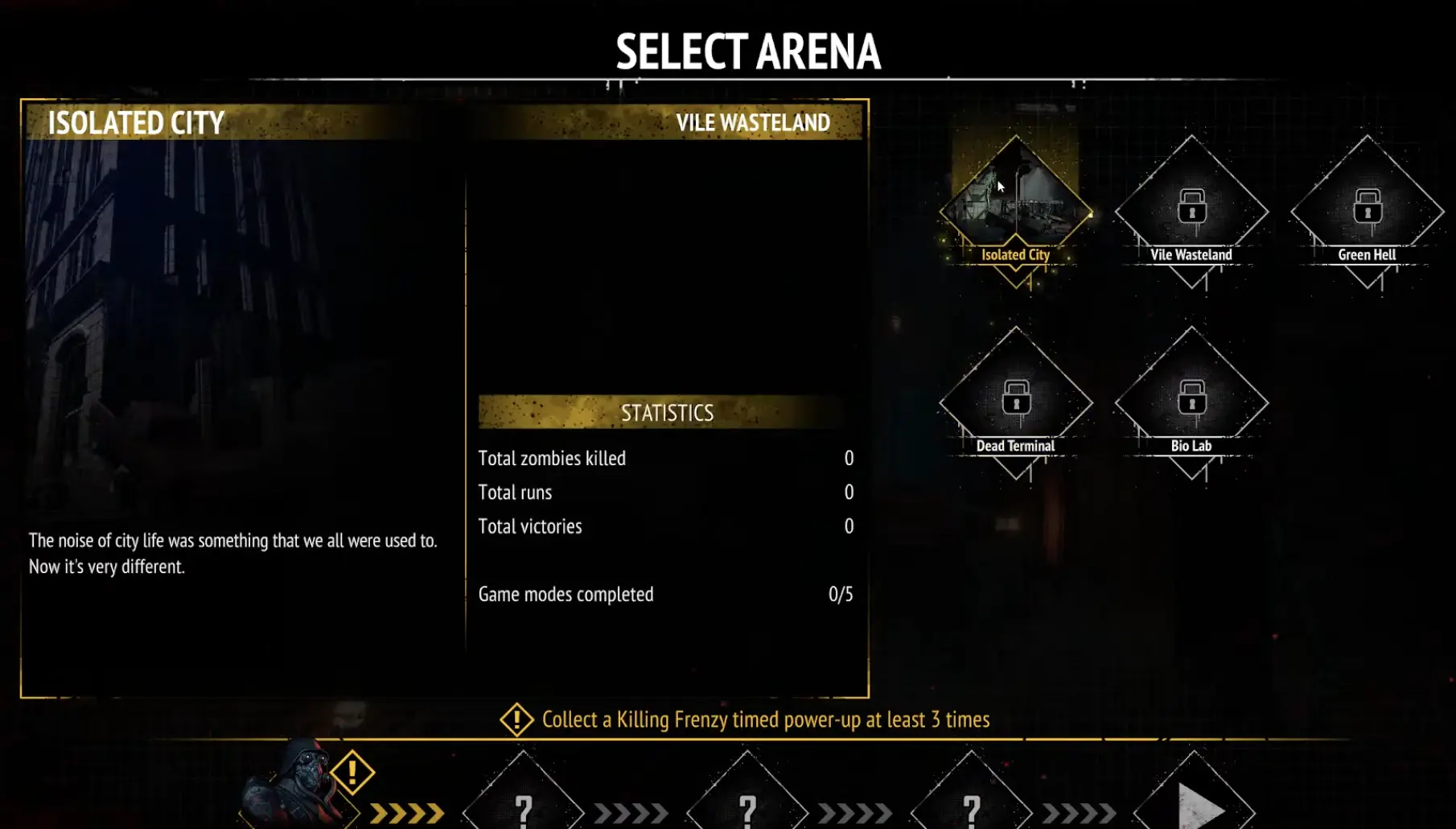
I Choose the Mode Based on What the Run Is For
I do not treat every mode as the same run with bigger numbers.
Before starting, I decide whether I am:
clearing normal progression
trying to survive longer
opening another mode
or:
testing whether the account is ready for harder content.
I choose the mode after deciding what the run is supposed to accomplish. A normal progression clear and a long Endurance attempt need different priorities.
Infinite is a good example.
I do not rely on an older unlock route and assume Hardcore must come first.
When Infinite is my target, I use the current
Infinite Mode unlock route
and build the Endurance attempt around surviving long enough to satisfy that requirement.
Unlocking Harder Content Does Not Mean I Have to Farm It
I do not use:
it is unlocked
as proof that:
this is now my best farming route.
If harder content causes my opening damage to collapse, makes pickups difficult to reach or turns most runs into failures, I step back.
A lower-risk run can still give me:
Cash;
Survivor progression;
missions;
permanent upgrades;
useful unlocks.
Once the account becomes stronger, I test the harder option again.
Progression is faster when I am finishing productive runs instead of repeatedly losing a theoretically better one.
Some Mission Objectives Change the Whole Run
A mission can look simple on the Briefing Room screen and still require a completely different mindset once I enter the arena.
The early Prologos mission is a good example.
I need the Black Box, but finding it is not the end of the objective.