Echoes of Aincrad Weapons & Weapon Types Guide
Compare all six Echoes of Aincrad weapon types with shield rules, scaling trends, representative weapons, Sword Skills, proficiency, and playstyle fit.
Updated:
Quick Answer
For most new players, the safest first Echoes of Aincrad weapon setup is Sword with a shield. Pick Rapier for speed with shield access, Dagger for no-shield mobility and thrown blades, Mace for stagger and Guard Break pressure, Two-Handed Sword for charged single-target punish windows, and Two-Handed Axe for slow but heavy area pressure. Choose the weapon type by defense style and combat problem first, then refine it with Sword Skills, Weapon Proficiency, ACV, Smithy upgrades, Unique MODs, and EX-Mods.
All Six Weapon Types Compared
The current player weapon categories are Sword, Rapier, Dagger, Mace, Two-Handed Sword, and Two-Handed Axe.
Players may still search for “Sword and Shield,” “Greatsword,” “Battleaxe,” or individual weapon names, but those terms should not replace the in-game category structure.
The speed, reach, area pressure, Guard Break value, and difficulty ratings below are practical comparisons rather than fixed in-game grades. Individual weapons can have different ACV letters, Unique MODs, EX-Mods, and upgrade value, so read the actual weapon panel before spending Growth Points or materials.
| Weapon type | Shield | Evasion feel | Speed | Reach | AoE | Guard break | Common scaling trend | Difficulty | Best for |
|---|---|---|---|---|---|---|---|---|---|
| Sword | Yes | Dodge with shield option | Medium | Medium | Low | Medium | Often DEX-leaning | Easy | First weapon, boss learning, balanced play |
| Rapier | Yes | Dodge with shield option | Fast | Long | Low | Low-Medium | Often AGI-leaning | Easy-Medium | Safer speed, counters, single-target pressure |
| Dagger | No | Fast movement without shield safety | Very fast | Short, plus thrown blades | Low | Low | Often AGI-leaning | Medium | Hit-and-run movement and quick recovery |
| Mace | Yes | Shield-supported control | Medium-Slow | Short-Medium | Low-Medium | High | Often STR-leaning | Medium | Stagger, Guard Breaks, knockdowns |
| Two-Handed Sword | No | Dodge becomes a roll | Slow | Long | Medium | Medium | Often DEX-leaning | Medium-Hard | Charged attacks and single-target punish windows |
| Two-Handed Axe | No | Dodge becomes a roll | Slow | Medium | High | Medium-High | Often STR-leaning | Hard | Heavy area pressure and grouped enemies |
Documented Weapon Examples by Type
The names below are representative examples that help identify which proficiency path, shield rule, Sword Skills, and Smithy upgrades apply to a weapon. They are not presented as a complete all-weapons database.
| Weapon type | Documented examples | What the examples show |
|---|---|---|
| Sword | Proto-Elucidator S, Mithril Blade, Corundum Saber, Dust Devil | Balanced DEX-leaning weapons with shield access and a stable first-build route |
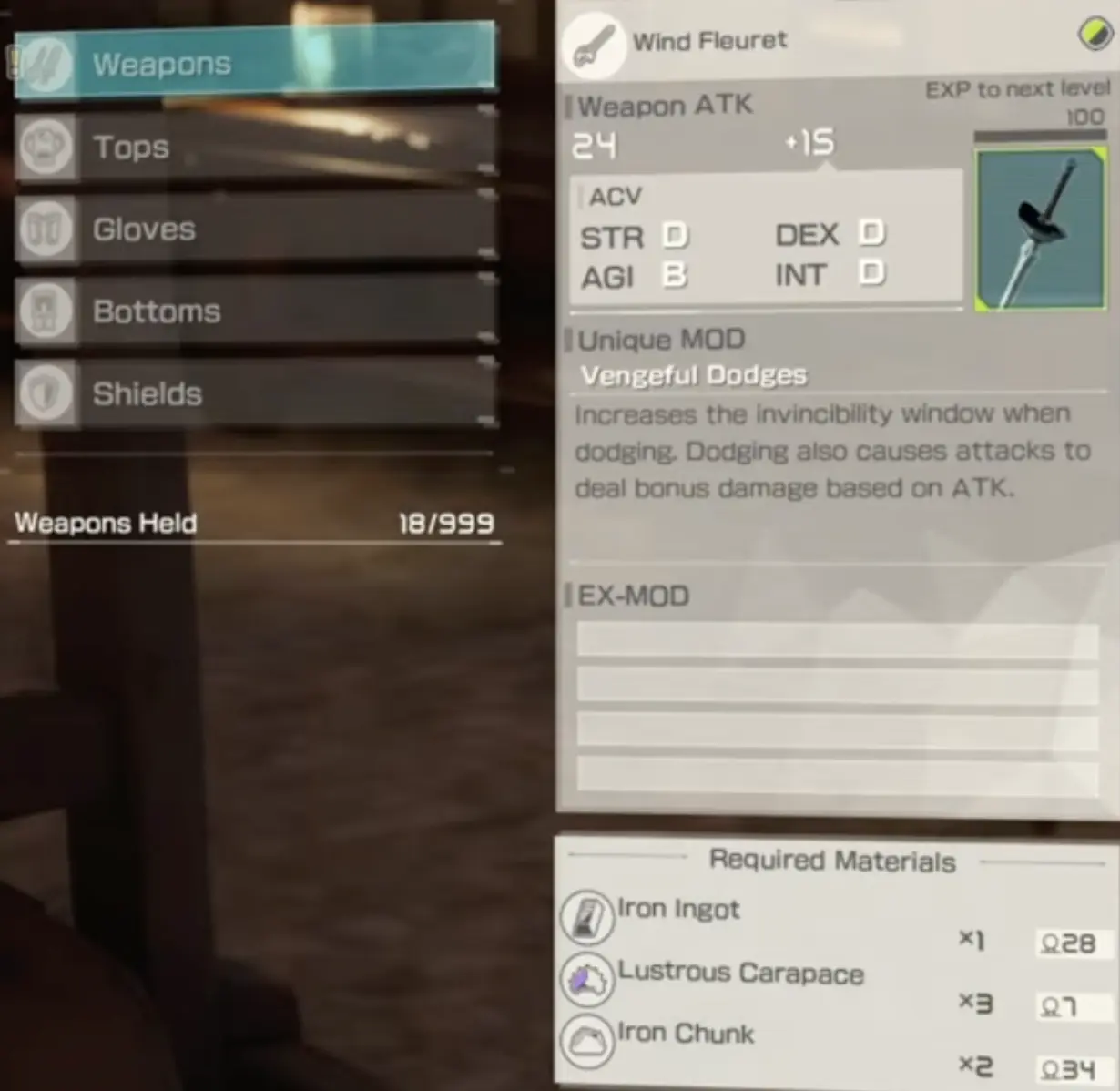
| Rapier | Proto-Elucidator R, Piercing Epee, Valkyrie’s Sabre, Wind Fleuret | Fast AGI-leaning weapons for reach, counters, and safer speed |
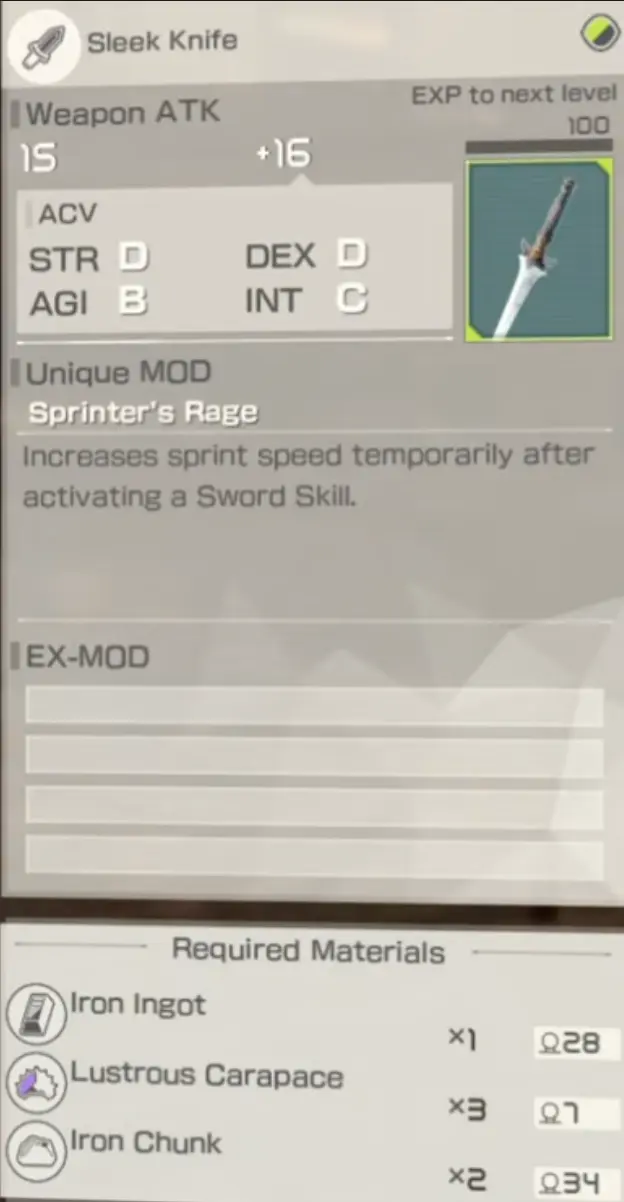
| Dagger | Sleek Knife, Mithril Dagger, Corundum Dagger, Assassin’s Knife, Ambusher | No-shield mobility weapons with quick recovery and short-range pressure |
| Mace | Big Bopper, Wild Edge, Iron Hatchet | STR-leaning control weapons built around stagger, Guard Break, and knockdowns |
| Two-Handed Sword | Proto-Elucidator TS, Mithril Saber, Annealed Longsword | Long-reach DEX-leaning heavy weapons for charged single-target punishment |
| Two-Handed Axe | Proto-Elucidator TA, Quakemaker, Annealed Sledgehammer | STR-leaning heavy weapons for wide attacks and grouped enemies |
Best Weapon Type for Each Playstyle
Use this table when you know the problem but not the weapon type that solves it.
| Your question | Pick this weapon type | Why |
|---|---|---|
| I want the safest first weapon | Sword + shield | Balanced offense and defense with the most forgiving learning curve |
| I want speed but still want defense | Rapier | Fast chains, long reach, counters, and shield access |
| I want mobility and hit-and-run play | Dagger | Quick strikes, thrown blades, and fast repositioning |
| Enemies keep blocking me | Mace | Stagger, Guard Breaks, and knockdown pressure |
| I want big single-target hits | Two-Handed Sword | Charged attacks, long reach, and punish-window damage |
| I want to hit groups | Two-Handed Axe | Slow area-of-effect attacks that hit hard |
| I keep running out of stamina | Sword or Rapier | Easier to stabilize before learning heavier weapons |
| I keep overcommitting | Sword first, then Mace or Rapier | Learn defensive timing before no-shield routes |
Sword: Safest All-Rounder
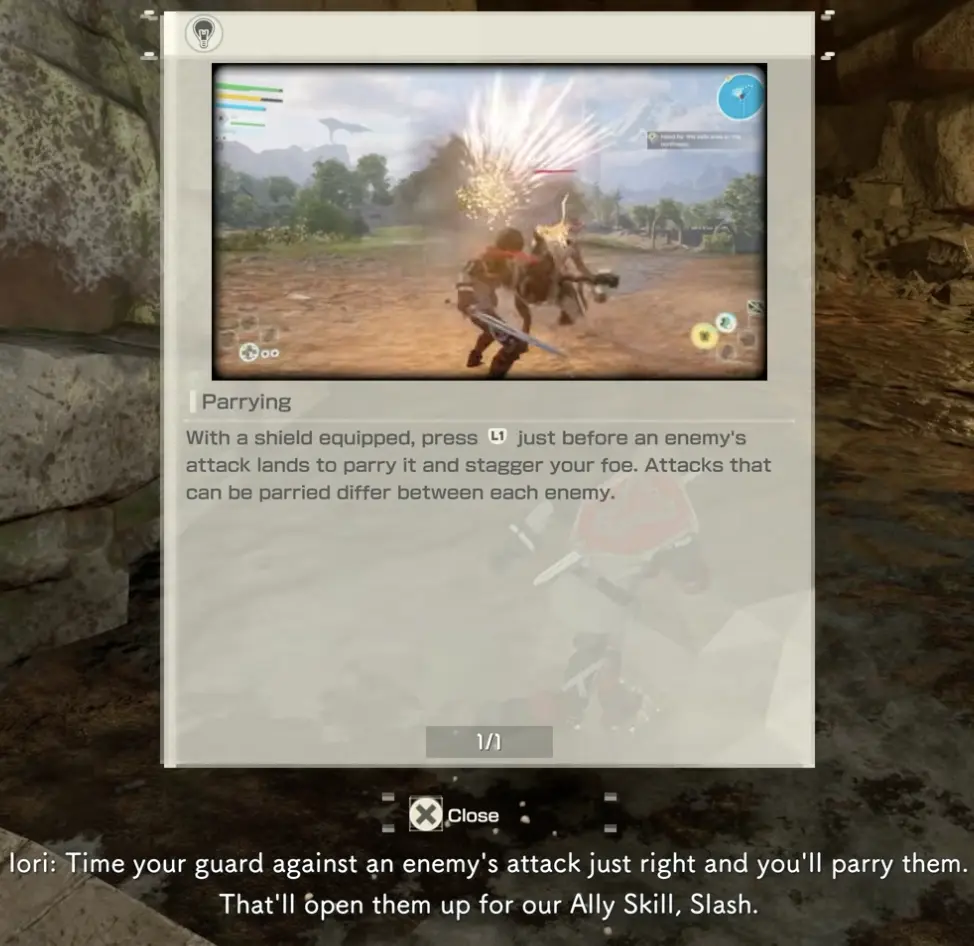
Sword provides the most balanced early learning route because it combines offense with shield defense. With a shield equipped, it gives you a safer way to learn guard timing, parries, stamina control, Sword Skill windows, and Iori follow-ups.
Representative Sword names include Proto-Elucidator S, Mithril Blade, Corundum Saber, and Dust Devil. Individual panels can differ, but the documented examples generally lean toward DEX rather than STR or AGI.
Its main weakness is that it does not specialize as hard as the other weapon types. Rapier feels faster, Dagger moves better, Mace breaks guards more directly, and heavy weapons hit harder. Sword wins because it lets you learn the full combat loop with fewer harsh mistakes.
Pick Sword when you want a stable first clear, safer boss learning, and a weapon route that stays easy to understand while you learn the Smithy and EX-Mod systems.
Rapier: Safer Speed and Counter Pressure
Rapier is the best first speed weapon for players who still want defense.
It has long reach, fast chains, counter-friendly rhythm, and shield access. That makes it safer than Dagger for players who want a faster weapon but still make mistakes under pressure.
Representative Rapier names include Wind Fleuret, Proto-Elucidator R, Piercing Epee, and Valkyrie’s Sabre. The documented examples generally lean toward AGI.
Rapier’s weakness is that it does not solve every crowd or guard problem by itself. Against shielded enemies or enemies that refuse to flinch, Mace can feel cleaner. Against groups, Two-Handed Axe has stronger area pressure.
Pick Rapier when you want speed, reach, counters, and safer recovery without giving up shield access.
Dagger: Mobility, Thrown Blades, and Hit-and-Run Pressure
Dagger cannot use a shield. That is the most important rule.
Its value is speed, movement, quick recovery, thrown blades, and hit-and-run pressure. It is not “Rapier but smaller.” Rapier is the safer speed weapon because it keeps shield access. Dagger is the mobility weapon because it trades shield safety for fast entries, quick exits, and ranged flexibility through thrown blades.
Representative Dagger names include Sleek Knife, Mithril Dagger, Corundum Dagger, Assassin’s Knife, and Ambusher. The documented examples generally lean toward AGI.
Dagger’s weakness is short range and lower average damage compared with heavier weapons. Pick it when you enjoy active movement and can survive without shield comfort.
Mace: Stagger, Guard Breaks, and Knockdowns
Mace is the control weapon type.
Its job is to open enemies that slow down normal attacks. When shielded or guarded enemies keep blocking your route, Mace gives you a more direct answer through stagger, Guard Breaks, and knockdowns.
Representative Mace names include Big Bopper, Wild Edge, and Iron Hatchet. The documented examples generally lean toward STR.
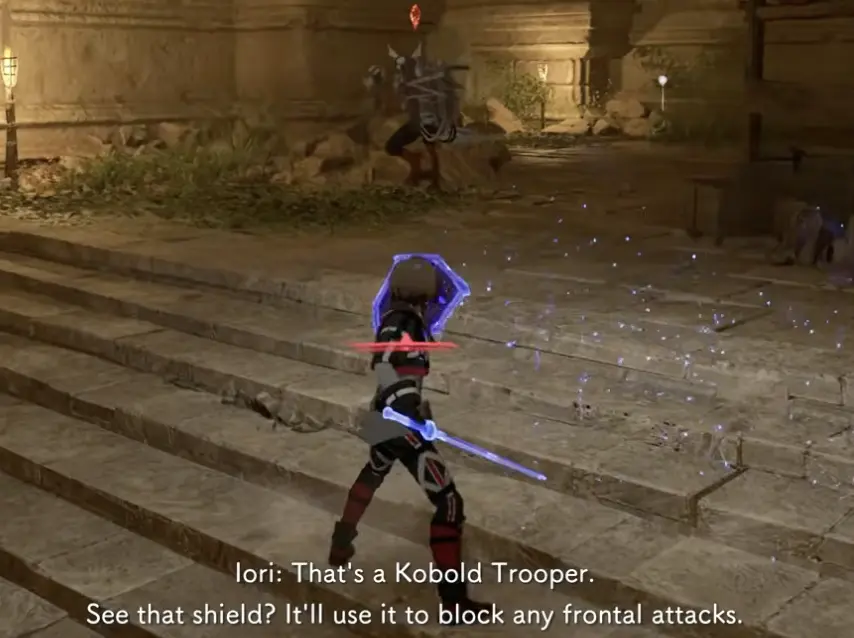
Mace can use a shield, so it gives you control without jumping straight into the risk of no-shield heavy weapons. Its weakness is that it does not feel as fast as Rapier or Dagger, and its value drops when enemies do not need to be staggered or broken.
Pick Mace when your main problem is enemy defense rather than raw damage.
Two-Handed Sword: Charged Single-Target Punish
Two-Handed Sword is the heavy single-target route.
It gives up shield safety and turns your dodge into a roll, but it gains long reach and powerful charged attacks. That makes it good when you can wait for the enemy to commit, punish the recovery window, then reset before your own recovery gets punished.
Representative names include Proto-Elucidator TS, Mithril Saber, and Annealed Longsword. The documented examples generally lean toward DEX.
Its weakness is commitment. If you swing too early, charge during bad windows, or run out of stamina before escaping, the weapon feels worse than it really is. It also needs a different defensive mindset from Sword, Rapier, or Mace because you cannot rely on shield comfort.
Pick Two-Handed Sword when you like patience, long reach, and heavy single-target punish windows.
Two-Handed Axe: Heavy Area Pressure
Two-Handed Axe is the slow area-pressure weapon.
It cannot use a shield, your dodge becomes a roll, and the attacks are slow enough that greedy swings get punished. In exchange, its area-of-effect pressure hits hard and works well when enemies group up or when a wider attack solves the fight faster than precise dueling.
Representative names include Proto-Elucidator TA, Quakemaker, and Annealed Sledgehammer. The documented examples generally lean toward STR.
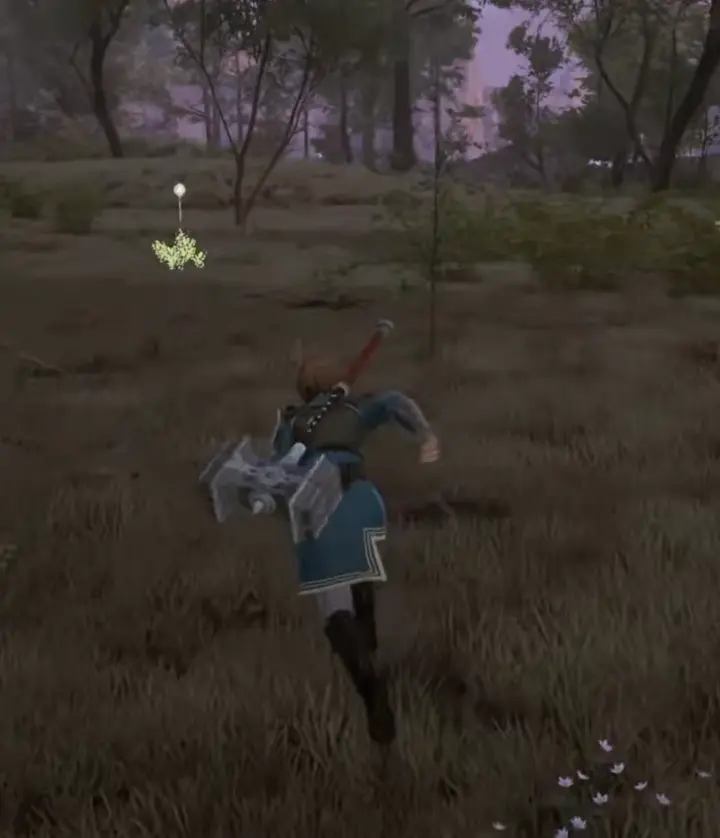
Its weakness is stamina and recovery pressure. A missed heavy swing can cost more than a missed Sword or Rapier attack.
Pick Two-Handed Axe when you want heavier area pressure and can avoid panic attacking into fast enemies.
Sword Skills and Weapon Proficiency
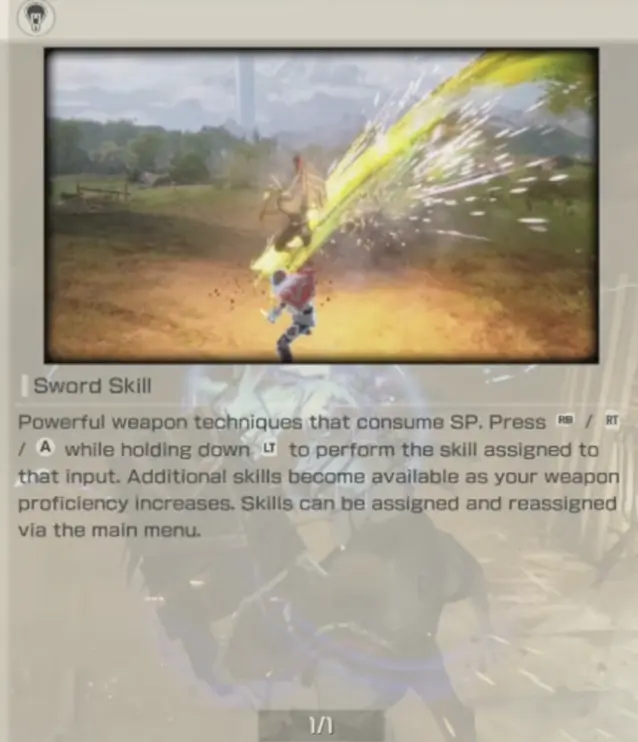
Weapon type is also a Sword Skill path.
As you use a weapon type, you gain Weapon Exp and increase Weapon Proficiency. More Sword Skills become available over time, but you can only equip up to three Sword Skills at once.
That means the real decision is not “which weapon has the biggest skill list?” It is “which three active skills solve the fights I am losing?”
| Weapon type | Sword Skill focus | What to avoid |
|---|---|---|
| Sword | Reliable punish skills, defensive follow-up, stable boss tools | Spending SP into shields or bad angles |
| Rapier | Fast pressure, counters, clean single-target chains | Overcommitting when enemies group up |
| Dagger | Quick skills, mobility support, fast recovery | Using skills that leave you stuck in front of enemies |
| Mace | Stagger follow-up, knockdown pressure, Guard Break payoff | Treating it like a pure speed weapon |
| Two-Handed Sword | Charged punish skills and long-reach openings | Using slow skills before enemies commit |
| Two-Handed Axe | Wide pressure and group control | Draining stamina before you have space to roll |
Shield vs No Shield
Shield access changes how a weapon feels.
Sword, Rapier, and Mace can use a shield. Dagger, Two-Handed Sword, and Two-Handed Axe cannot. Sword can also be used without a shield for a faster but riskier feel, so do not judge Sword from only one setup.
| Setup | What changes |
|---|---|
| Sword + shield | Safest baseline for learning guard, parry, stamina, and Iori follow-up timing |
| Sword without shield | Faster and riskier; better after you understand enemy timing |
| Rapier + shield | Speed with defensive comfort |
| Mace + shield | Defense plus stagger and Guard Break pressure |
| Dagger | No shield; relies on speed, movement, thrown blades, and recovery |
| Two-Handed Sword | No shield; dodge becomes a roll and charged attacks define the rhythm |
| Two-Handed Axe | No shield; dodge becomes a roll and area pressure defines the rhythm |
How to Change Weapon Types
You cannot treat weapon switching like an instant field menu.
Plan weapon changes between quests. Return to the Town of Beginnings, go to your room at the Inn, open your equipment options, then change your weapon setup before heading back out.
This matters because a new weapon type often needs different Sword Skills, different timing, and sometimes a different Growth Point plan.
| Change weapon question | Practical answer |
|---|---|
| Can I freely change weapons mid-route? | Plan around changing between quests, not during dangerous field progress |
| Where should I change weapons? | Return to your room at the Inn and open Equipment |
| Should I test every weapon immediately? | Test enough to understand the role, but do not spread upgrade materials too thin |
| What should I check after switching? | Sword Skills, shield access, dodge behavior, stamina comfort, and weapon panel scaling |
Smithy and EX-Mod Planning by Weapon Type
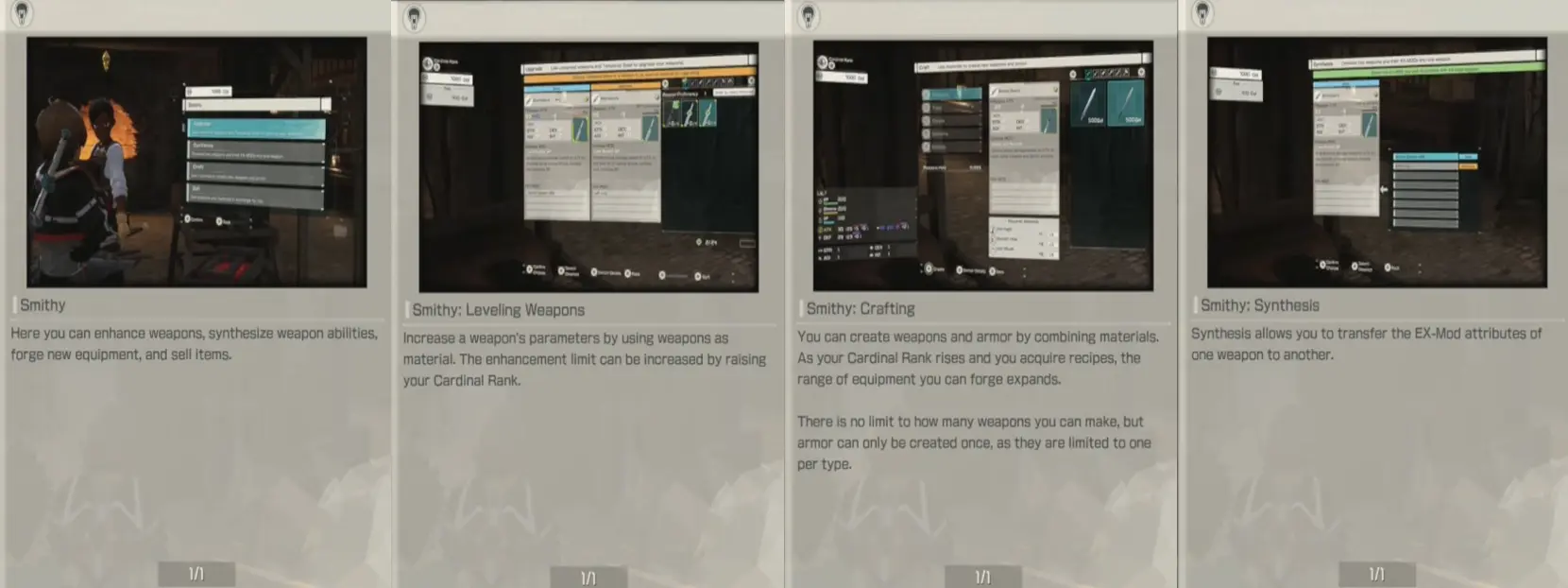
After choosing a weapon type, use the Smithy to reinforce that weapon’s job instead of chasing every higher number.
For shield setups, prioritize effects that improve stamina comfort, defensive follow-up, and reliable damage. For Dagger, look for mobility, recovery, stamina, or quick-pressure value. For Mace, prioritize stagger, down, crush, or Guard Break payoff. For Two-Handed Sword and Two-Handed Axe, stamina comfort and recovery safety matter because slow attacks punish greedy timing.
This page only gives the weapon-type direction. For same-type synthesis, EX-Mod pooling, donor weapons, upgrade timing, materials, and Smithy decisions, use the Weapon Upgrade Guide.
Is There One Best Weapon Type?
No single class ranking applies to every player, floor, boss, build, and survival mode.
Raw Attack is only one factor. A higher number does not automatically include:
- shield access;
- attack speed;
- stamina cost;
- recovery time;
- reach;
- Guard Break value;
- area pressure;
- Sword Skill quality;
- Unique MOD and EX-Mod synergy;
- the player’s ability to survive the weapon’s commitment.
Use the Best Weapons Guide for specific weapon recommendations. Use this page when you are choosing the underlying weapon type.
Can You Dual Wield?
Do not build around dual wielding as your early weapon plan.
Dual wielding is not one of the six current player weapon types. The practical weapon system is built around Sword, Rapier, Dagger, Mace, Two-Handed Sword, Two-Handed Axe, shield choices, Sword Skills, partner flow, Smithy upgrades, and MOD planning.
Spend early materials on a weapon route you can equip, upgrade, and use now. If dual wielding becomes explicitly available later, it should be handled as its own build question instead of being mixed into your first weapon choice.
Common Weapon Type Mistakes
Use this table before locking your first main weapon.
| Mistake | Why it hurts | Better habit |
|---|---|---|
| Choosing only by raw Attack | Attack does not show shield access, speed, reach, stamina, recovery, Guard Break, or MOD synergy | Judge the whole combat role |
| Choosing only by attack speed | Fast attacks do not automatically provide safe reach, shield access, or stamina efficiency | Pick by the problem you need to solve |
| Treating a class tier list as universal | Rankings change with the weapon, floor, build, player skill, and survival rules | Use rankings as starting opinions, not fixed rules |
| Calling Rapier and Dagger the same role | Rapier is safer speed; Dagger is mobility pressure | Choose based on defense comfort |
| Forcing heavy attacks into bad windows | Two-Handed Sword and Two-Handed Axe punish greedy swings | Wait for recovery or partner setup |
| Judging a weapon before testing Sword Skills | Weapon Proficiency can change how the weapon feels | Test the skill path before abandoning the type |
| Ignoring weapon panel scaling | Growth Points work best when they match the weapon | Read ACV and scaling before investing heavily |
| Spreading materials across every class | Smithy materials and Col disappear without producing one reliable build | Keep one main route and one deliberate backup |
What to Read Next
Use the rest of the Echoes of Aincrad cluster based on your next question.
- Read the Beginner Guide if you still need waypoints, stamina, Sword Skills, Iori modes, Growth Points, safe areas, or basic route help.
- Read the Best Weapons Guide if you want practical recommendations between individual Sword, Rapier, Dagger, Mace, Two-Handed Sword, and Two-Handed Axe options.
- Read the Best Builds Guide if you want stats, ACV, Sword Skills, EX-Mods, partner flow, and early survival planning.
- Read the Weapon Upgrade Guide if you want Smithy crafting, enhancement, synthesis, Unique MODs, EX-Mods, Col, materials, and Weapon Proficiency.
- Read the Prologue Boss Guide if Sentry Golem, Illfang the Kobold Lord, Snowcap Boar, Glenspore Grizzly, Dire Stife Wolf, or Wrathful Shreman is blocking progress.
- Return to the Echoes of Aincrad Guide Hub if you want the full guide route.
FAQ
What weapon type should I pick first in Echoes of Aincrad? +
For most new players, Sword with a shield is the safest starting recommendation because it gives offensive and defensive options while you learn stamina, parry timing, Sword Skills, and boss openings.
What are the six weapon types in Echoes of Aincrad? +
The six current player weapon types are Sword, Rapier, Dagger, Mace, Two-Handed Sword, and Two-Handed Axe.
Which Echoes of Aincrad weapon types can use a shield? +
Sword, Rapier, and Mace can use a shield. Dagger, Two-Handed Sword, and Two-Handed Axe cannot use a shield.
Does this page list every weapon in Echoes of Aincrad? +
No. The page includes currently documented representative weapon names to help identify each proficiency path, but it does not claim to be a complete database of every late-game, reward, special, or future weapon.
Is Dagger better than Rapier? +
Dagger is better if you want no-shield mobility, thrown blades, and quick recovery. Rapier is better if you want speed with shield access, longer reach, and safer counter pressure.
What is Mace good for? +
Mace is good for staggering enemies, causing Guard Breaks, knocking targets down, and opening enemies that resist normal pressure.
What is the difference between Two-Handed Sword and Two-Handed Axe? +
Two-Handed Sword is a slower long-reach weapon built around charged single-target punish windows. Two-Handed Axe is a slower area-pressure weapon that is stronger when enemies group together.
How many Sword Skills can I equip? +
You can equip up to three Sword Skills at a time. More Sword Skills unlock as you gain Weapon Exp and raise Weapon Proficiency with a weapon type.
Can you dual wield in Echoes of Aincrad? +
Dual wielding is not one of the six current player weapon types. Build around the weapon types you can equip and upgrade now unless the game explicitly unlocks dual wielding later.