Crashout Crew Crash Out and Stress Guide
A practical Crashout Crew stress guide explaining how to reduce stress, stop crashing out, use Cup Holder and Aromatherapy, recover from stress, avoid wrong orders, handle solo and co-op stress, and survive Safety Violations.
Updated:
Quick Answer
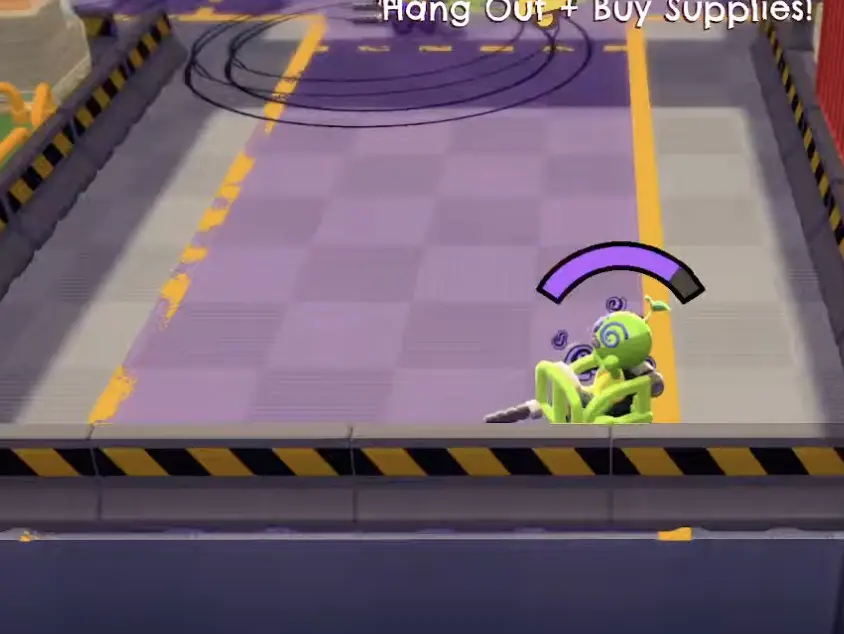
To reduce stress in Crashout Crew, prevent the mistakes that fill the meter: avoid collisions, stop sending wrong orders, keep routes clear, slow down near hazards, and use clear solo or co-op roles. Cup Holder helps by letting you take on more stress before crashing out, while Aromatherapy helps you recover from stress faster after pressure builds.
Find Your Stress Problem First
Use this table before reading the full guide. It points you to the part of the run that is probably causing your crash outs.
| What is happening? | Likely cause | First fix | Read this section |
|---|---|---|---|
| You crash out after sending a truck. | Wrong cargo or early button press. | Confirm the order before sending. | Wrong Orders and Crash Outs |
| Stress rises during normal driving. | Collisions, overboosting, or bad lanes. | Slow down and split routes. | How to Reduce Stress |
| The meter fills too fast. | Low stress tolerance or too many hazards. | Buy Cup Holder and reduce risky jobs. | Cup Holder vs Aromatherapy |
| Stress stays high too long. | Recovery is too slow after mistakes. | Buy Aromatherapy and pause risky tasks. | How to Recover From Stress |
| Solo runs fall apart after one mistake. | No teammate can recover the route for you. | Stage cargo and avoid panic boosting. | Solo Stress Tips |
| Co-op runs spiral after one player crashes out. | Crowded lanes and unclear roles. | Give space and assign final checker. | Co-op Crash Outs |
| Safety Violations make every order stressful. | Modifier adds hazards, stress, or mess. | Counter the modifier with the right upgrade. | Safety Violations and Stress |
| You boost while already stressed. | Panic speed creates more mistakes. | Stop boosting until the lane is clean. | How to Reduce Stress |
| Everyone blames one player. | Team roles or route design are broken. | Fix lanes, button ownership, and cleanup. | Co-op Crash Outs |
Use this as a quick stress diagnosis and navigation table.
Start Here
Crashing out is not only a funny failure state. It is the game telling you that the shift has become too messy.
The usual pattern is simple: small mistake → stress rises → driving gets worse → cargo gets messier → players panic → someone crashes out → the shift becomes harder.
Your goal is to break that loop before the crash out happens.
How Stress Works in Crashout Crew
Crashout Crew does not show every hidden stress value, but the visible behavior is clear enough to guide good play.
Stress acts like a pressure meter. It rises when the run becomes unsafe or chaotic, and it becomes dangerous when the same mistakes repeat without a reset. The exact amount from each source may vary or may not be shown directly, so the safest way to play is to treat every stress source as something that can stack into a crash out.
| Stress source | Why it matters | What to do |
|---|---|---|
| Wrong orders | They create immediate panic and can trigger a major crash out problem. | Confirm cargo before pressing the button. |
| Forklift collisions | Bumps interrupt routes, drop cargo, and push players into hazards. | Split lanes and avoid crowded turns. |
| Hazards and messy floors | Goo, spills, fire, or slippery lanes make every trip riskier. | Clean, reroute, or buy counter-upgrades. |
| Panic boosting | Speed magnifies mistakes when control is already bad. | Boost only on clean straight routes. |
| Dropped cargo | Recovering boxes wastes time and raises pressure. | Use The Grippers or stage cargo more safely. |
| Safety Violations | Modifiers add extra stress sources on top of normal work. | Choose safer modifiers and buy counters. |
| No role ownership | Everyone reacts, but no one owns the order, button, or cleanup. | Assign reader, runner, shipper, and floater. |
What appears to create stress pressure during a shift.
How to Reduce Stress in Crashout Crew
Reducing stress is about prevention. Recovering from stress happens after the meter is already high; reducing stress means stopping the meter from filling in the first place.
Start with these habits:
| Stress prevention habit | Why it works |
|---|---|
| Slow down before corners, buttons, and truck lanes. | Most panic crashes happen near important interaction points. |
| Do not boost through traffic. | Boosting into teammates or cargo creates more stress than it saves. |
| Assign one player to the send button. | Prevents early sends and wrong orders. |
| Keep the main lane clean. | A messy route turns every delivery into a stress event. |
| Stage cargo before final loading. | Reduces wrong boxes and last-second scrambling. |
| Give stressed players safer jobs. | A player near crash out should not carry the most important cargo. |
| Buy the right stress upgrade. | Cup Holder increases tolerance; Aromatherapy improves recovery. |
| Avoid hard Safety Violations while learning. | Modifiers punish teams that are already stressed. |
Use these prevention habits to reduce stress before it becomes a crash out.
Cup Holder vs Aromatherapy
Cup Holder and Aromatherapy are both stress upgrades, but they do different jobs.
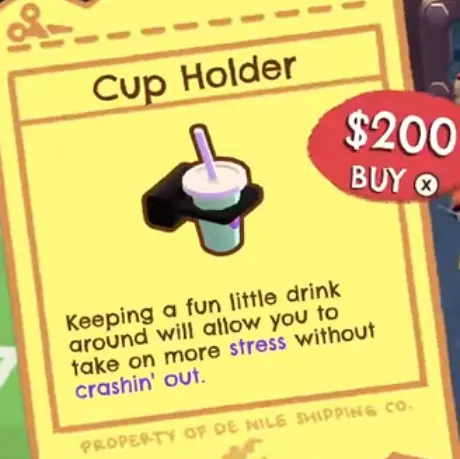
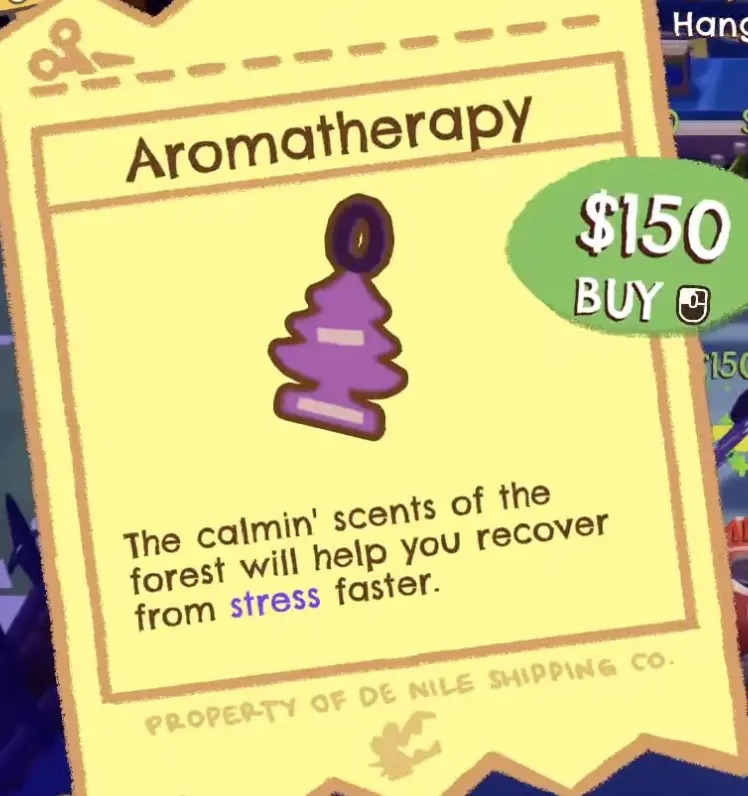
Cup Holder costs $200 and lets you take on more stress without crashing out. Aromatherapy costs $150 and helps you recover from stress faster.
| Upgrade | What it does | Buy it when… | Skip it when… |
|---|---|---|---|
| Cup Holder | Lets you take on more stress before crashing out. | The meter fills too fast or one mistake causes a crash out. | Stress is not the reason the run fails. |
| Aromatherapy | Helps you recover from stress faster. | You survive mistakes but stay stressed for too long. | Wrong orders or bad cargo calls are the real problem. |
| Cup Holder + Aromatherapy | More stress room plus faster recovery. | Safety Violations, co-op chaos, solo recovery, rank attempts. | You still need basic order control or cleanup first. |
Cup Holder and Aromatherapy solve different stress problems.
How to Recover From Stress
When your stress is high, do not keep playing like nothing changed.
A stressed player should avoid risky jobs for a moment. That might mean not carrying fragile cargo, not pressing the send button, not boosting through a crowded lane, or not driving into hazards while the meter is already high.
| If stress is high… | Do this |
|---|---|
| You are carrying cargo. | Stage it safely before taking a risky turn. |
| You are near the truck. | Let another player confirm the order. |
| You are in a crowded lane. | Pull away and avoid bumping teammates. |
| You are near hazards. | Leave the hazard before finishing the delivery. |
| You are in co-op. | Tell the team you need space. |
| The order is urgent. | Let a calmer player finish the button press. |
Use this when a player is close to crashing out.
Wrong Orders and Crash Outs
Wrong orders are one of the clearest ways to create a crash out problem.
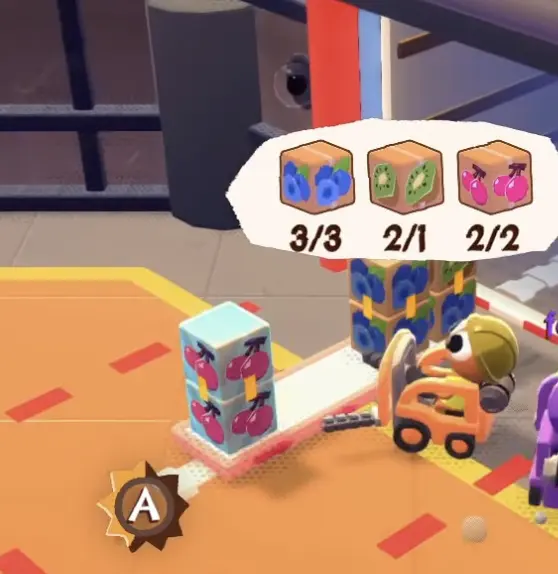
When the truck needs specific boxes, do not treat the send button like a race. If the team is yelling, cargo is stacked badly, or two players are loading at the same time, stop for one second and check the order.
| Check | Why it matters |
|---|---|
| Correct box types | Similar-looking cargo can cause wrong shipments. |
| Correct quantities | One extra or missing box can ruin the order. |
| No leftover wrong cargo on the truck | Remove mistakes before sending. |
| One person owns the button | Prevents accidental early sends. |
| Reader confirms out loud | Keeps the loader and shipper synced. |
Use this checklist before pressing the send button.
Goo, Oil, and Messy Floor Hazards
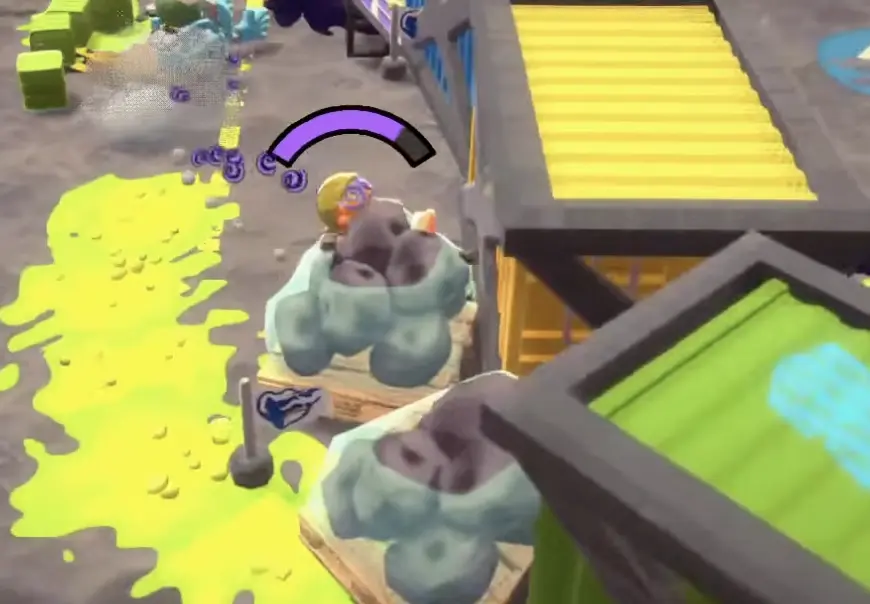
Floor hazards are dangerous because they create stress in the same place again and again.
If your main route is covered in goo, oil, or another messy hazard, every delivery becomes risky. Players start slipping, bumping, dropping cargo, or taking longer routes. That means the truck timer gets worse, which creates more panic.
| Floor hazard problem | Better response |
|---|---|
| The main lane is covered. | Clean that lane first, not a random corner. |
| Players keep driving through it. | Call the hazard and reroute traffic. |
| Cargo is being dropped in the mess. | Stage boxes somewhere safer. |
| Everyone is half-cleaning. | Assign one cleanup player. |
| Cleanup is too slow. | Buy Scrubbie, Super Scrubber, Water Balloon Pump, or another counter tool. |
Use this when floor mess keeps causing stress.
Solo Stress Tips
Solo stress is different because every mistake is yours to recover.
In co-op, another player can finish the order, clean the lane, or grab the missing box while you recover. In solo, a crash out can leave the entire warehouse in a bad state with no one else to stabilize it.
| Solo stress problem | Best fix | Why |
|---|---|---|
| You are juggling too many jobs. | Standard Shelf | Staging reduces memory load and wrong boxes. |
| You crash out too quickly. | Cup Holder | More stress tolerance gives you time to recover. |
| Stress stays high after mistakes. | Aromatherapy | Faster recovery helps between orders. |
| Floor mess keeps interrupting routes. | Scrubbie / Super Scrubber | Cleanup support matters more when you are alone. |
| You drop important cargo. | The Grippers | One dropped item can force a full solo reset. |
| You panic boost to save time. | Slow route first, speed later | A cleaner route is safer than a faster crash out. |
Stress management priorities for solo players.
Co-op Crash Outs
Co-op crash outs are usually team problems, not only individual problems.
If one player keeps crashing out, ask what role they are doing. Are they always taking the hardest route? Are they being hit by teammates? Are they trying to read orders, carry cargo, and press the button at the same time?
| Co-op problem | Team fix |
|---|---|
| Everyone drives through the same lane. | Split lanes or assign one-way routes. |
| Two players grab the same cargo. | Call exact box types and quantities. |
| Button gets pressed too early. | Assign one shipper. |
| Stressed player blocks traffic. | Give them space and let another player finish the order. |
| No one cleans hazards. | Assign a floater or cleanup role. |
| Everyone talks but no one confirms. | Use short callouts: “two blue,” “one kiwi,” “do not send.” |
| One player gets blamed every run. | Check the route and role first. The job may be too risky or unsupported. |
Use this table to reduce co-op crash outs.
Safety Violations and Stress
Safety Violations make stress harder to control because they add extra problems on top of the normal shift.
Do not treat every Safety Violation the same. Look at what the modifier actually adds, then buy or assign around that problem.
| Safety Violation problem | Stress plan | Good upgrades |
|---|---|---|
| Allergies or stress pressure | Increase tolerance first, then improve recovery. | Cup Holder → Aromatherapy |
| Goo, oil, or floor mess | Keep the main lane clean before pushing speed. | Scrubbie → Super Scrubber → Water Balloon Pump |
| Slippery or hazard-covered floor | Make driving safer before adding speed. | Tire Chains → cleanup tools |
| Fire, fuses, or explosions | Counter the dangerous hazard directly. | Fire Extinguisher → Blast Shields |
| Bees, honey, or special cargo chaos | Protect carried cargo and reduce panic drops. | The Grippers → Standard Shelf → Cup Holder |
| Longer routes under pressure | Compress the route once the lane is safe. | Teleporter → Nitro Canisters → Boost Pad |
| Lights Out or low visibility | Create fixed staging points and short callouts before adding speed. | Standard Shelf → Cup Holder → Aromatherapy |
Stress management by Safety Violation type.
Example: Lights Out + Bees
If Lights Out is active with bees, honey, or other awkward cargo, do not buy pure speed first. The main problem is not only stress; it is that players cannot see routes clearly, collide more often, lose track of cargo, and panic near the truck button.
Use this order: Standard Shelf → The Grippers → Cup Holder → Aromatherapy.
Standard Shelf gives the team a fixed staging point in the dark. The Grippers protect awkward cargo when players bump into each other. Cup Holder gives more stress room before a crash out. Aromatherapy helps recovery after the first bad route or collision.
During the shift, keep callouts short: “middle lane,” “coming down,” “honey to B,” “do not send,” and “button ready.”
Example: Goo + Stress Pressure
If the floor is messy and stress is rising, treat the lane as the problem.
Use this order: Scrubbie → Cup Holder → Aromatherapy → Water Balloon Pump.
Scrubbie handles repeated mess. Cup Holder gives more room before crash out. Aromatherapy helps recovery. Water Balloon Pump is useful if spills or fires are also active.
Example: Ice or Hazard Floors
If the floor itself makes driving unreliable, slow down and fix traction before speed.
Use this order: Tire Chains → Standard Shelf → Cup Holder.
Tire Chains make the route safer. Standard Shelf reduces cargo chaos. Cup Holder gives more room for mistakes while players adjust to the floor.
How to Stop Chain Crash Outs
A chain crash out happens when one player’s mistake makes the next player’s job worse.
For example: wrong cargo near truck → rushed button press → order incorrect → stress spike → player crashes out → cargo gets scattered → next order starts late.
The way out is not more yelling or more speed. Reset the shift.
| Reset step | What to do |
|---|---|
| 1. Stop rushing the button. | Do not send another truck until cargo is confirmed. |
| 2. Clear the main lane. | Move loose boxes and avoid hazards. |
| 3. Reassign roles. | Reader, loader, shipper, cleanup. |
| 4. Let stressed players recover. | Give them a safer job for a moment. |
| 5. Finish one order cleanly. | Rebuild rhythm before chasing speed. |
Use this reset plan when the whole team is spiraling.
Notes on Exact Stress Values
Crashout Crew shows enough to make good decisions, but it does not always show exact hidden stress values for every mistake.
That means you should not wait for perfect math before improving. Focus on what you can control:
- fewer collisions
- fewer wrong orders
- cleaner routes
- safer button timing
- better staging
- more stress tolerance with Cup Holder
- faster recovery with Aromatherapy
- fewer hazards on the main lane
When exact stress values are tested later, this page can add specific numbers. For now, the strongest strategy is to reduce repeat stress sources and buy the upgrade that matches your failure point.
FAQ
How do you reduce stress in Crashout Crew? +
Reduce stress by preventing the mistakes that raise it: avoid teammate collisions, stop sending wrong orders, keep the main route clean, slow down near hazards, use clear co-op roles, and buy Cup Holder or Aromatherapy when stress is the main reason runs fail.
Why do I keep crashing out in Crashout Crew? +
You usually keep crashing out because stress keeps building from collisions, wrong deliveries, messy hazards, panic driving, bad routes, or Safety Violations. Fix the source of stress before trying to play faster.
How does stress work in Crashout Crew? +
Stress appears to build when mistakes, hazards, collisions, wrong orders, or Safety Violations put pressure on the player. Exact hidden values are not shown, so treat stress as a risk meter: prevent repeated stress sources, recover when the meter is high, and avoid dangerous jobs when close to crashing out.
What is the difference between Cup Holder and Aromatherapy? +
Cup Holder lets you take on more stress before crashing out, while Aromatherapy helps you recover from stress faster. Buy Cup Holder when the meter fills too quickly, and buy Aromatherapy when stress stays high for too long.
Is Cup Holder worth buying in Crashout Crew? +
Yes. Cup Holder costs $200 and lets you take on more stress without crashing out. It is especially strong for solo players, Safety Violations, chaotic co-op, and rank attempts where one crash out can ruin the shift.
Is Aromatherapy worth buying in Crashout Crew? +
Yes, when stress recovery is the problem. Aromatherapy costs $150 and helps you recover from stress faster, but it does not fix wrong orders, bad routes, or teammate collisions by itself.
How do you manage stress solo? +
Solo players should reduce stress by staging cargo, avoiding risky boosts, cleaning the main lane first, and buying upgrades that reduce workload. Cup Holder, Aromatherapy, Standard Shelf, and Scrubbie are especially useful because there is no teammate to recover mistakes for you.
How do you stop chain crash outs in co-op? +
Give stressed players space, assign one player to read orders, stop pressing the button early, clear the main lane, and let a calmer player finish the order. Chain crash outs happen when one mistake makes the next player's job harder.
How do you handle Lights Out stress? +
During Lights Out, reduce stress by using fixed staging points, short lane callouts, safer routes, and fewer panic boosts. If bees or special cargo are also active, Standard Shelf, The Grippers, Cup Holder, and Aromatherapy are stronger than pure speed.