Serpent's Gaze Solo and Co-op Guide
A practical Serpent's Gaze solo and co-op guide explaining solo play, recovery, self-revive, friend invites, boss scaling, 2-player and 4-player roles.
Updated:
Quick Answer
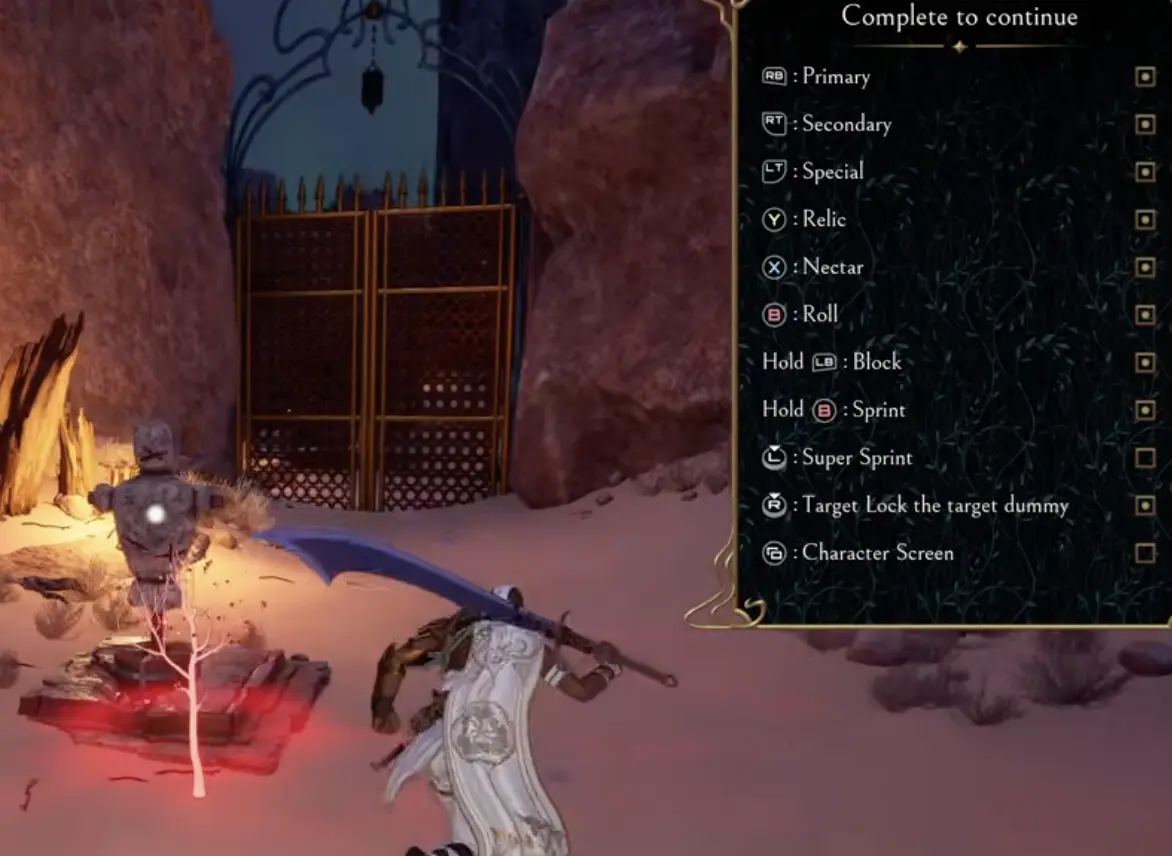
Yes, you can play Serpent’s Gaze solo. Solo is the cleaner way to learn enemy timing, boss patterns, nectar value, and weapon spacing. Co-op is better if you want shared pressure, friend revives, support builds, summons, and role-based runs. The biggest thing to understand is recovery: if you still have the right resource or prompt available, getting knocked down does not always have to end the attempt immediately.
Solo vs Co-op: What Actually Changes?
Serpent’s Gaze works as both a solo game and a co-op game, but the difference is not just “alone vs with friends.” The whole run feels different because pressure, recovery, boss targeting, and build roles change.
Use this table first.
| Mode | Best for | What changes | Biggest risk |
|---|---|---|---|
| Solo | Learning enemy timing and boss patterns | Every enemy decision is aimed at you, so feedback is very clear | No teammate can pull pressure away |
| 2-player co-op | Learning with a friend | One player can bait while the other punishes, revives, or supports | Both players must be flexible because there are only two roles |
| 4-player co-op | Role-based team runs | Teams can split boss damage, support, status, and summons | Fights can become chaotic if everyone spreads out |
| Solo build testing | Checking if a weapon or Aspect really works | You feel every weakness in stamina, range, recovery, and scaling | Weak builds have nowhere to hide |
| Co-op boss pushing | Harder bosses or messy modifiers | Shared pressure and revives give more recovery chances | Bad revive timing can cause chain downs |
| Co-op support play | Buffs, summons, healing, barrier, and team utility | Support tools become more valuable near teammates | Support does little if the team ignores positioning |
Can You Play Serpent’s Gaze Solo?
Yes. You can play alone from the start.
A solo run lets you:
- choose your class or Aspect;
- choose your weapon;
- use nectar and relics;
- level stats with blood;
- pick Blessings and Seeds;
- fight bosses;
- unlock weapons, Aspects, Callings, and rewards;
- progress through maps.
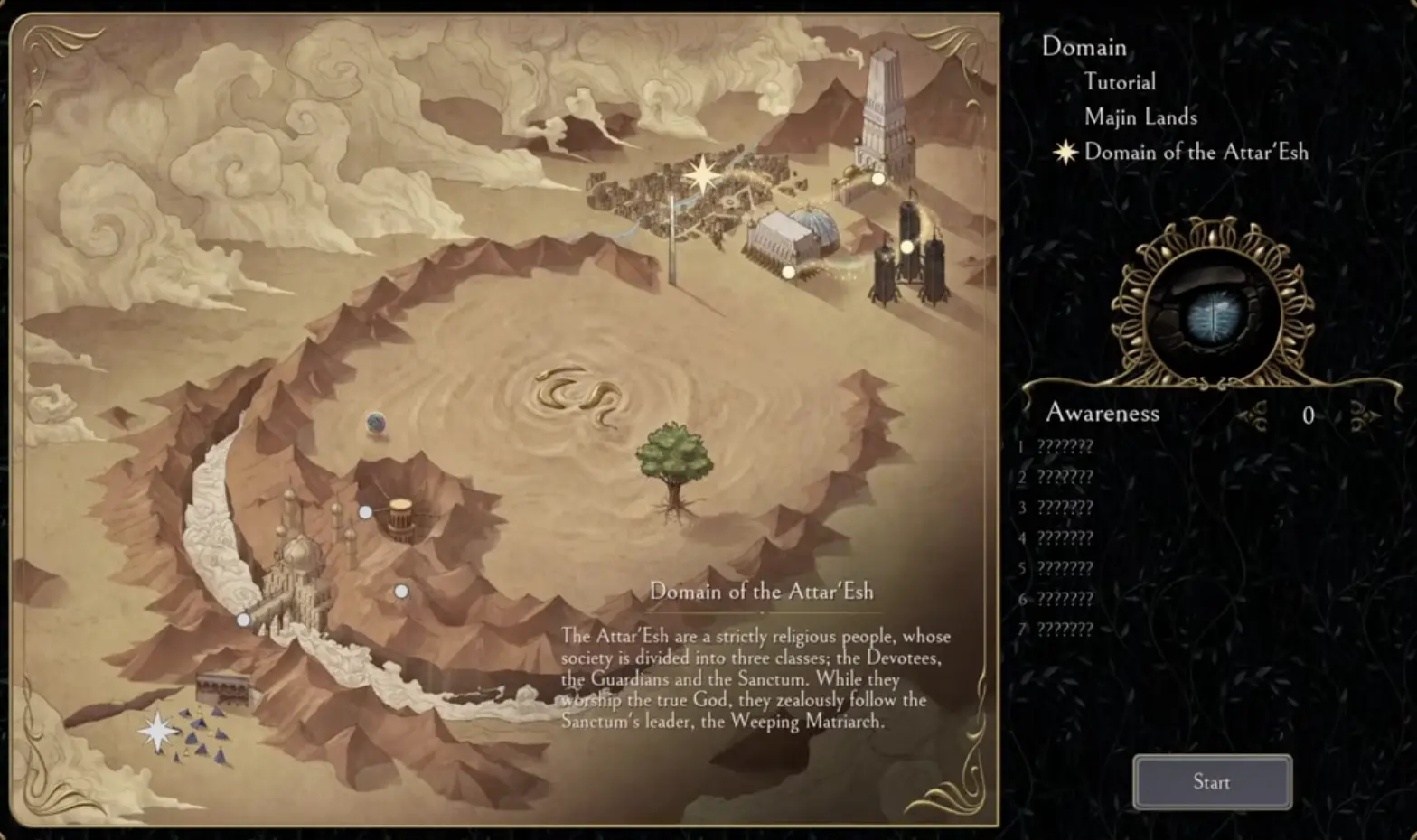
Solo is useful because it makes problems obvious.
| Solo teaches you… | Why it matters |
|---|---|
| Enemy timing | You learn attacks without another player pulling aggro away. |
| Boss punish windows | You know exactly when it is safe to hit. |
| Nectar value | Every wasted heal matters more. |
| Weapon recovery | Slow weapons immediately feel risky if you mistime them. |
| Route discipline | Greedy rooms punish you faster. |
| Build consistency | A weak build has nowhere to hide. |
Solo Recovery and Self-Revive
This is one of the most important solo mechanics to understand: getting knocked down does not always have to mean the run ends immediately.
If you still have the required recovery resource or prompt available, you may be able to recover instead of instantly losing the attempt. That makes nectar and recovery management much more important than they first appear.
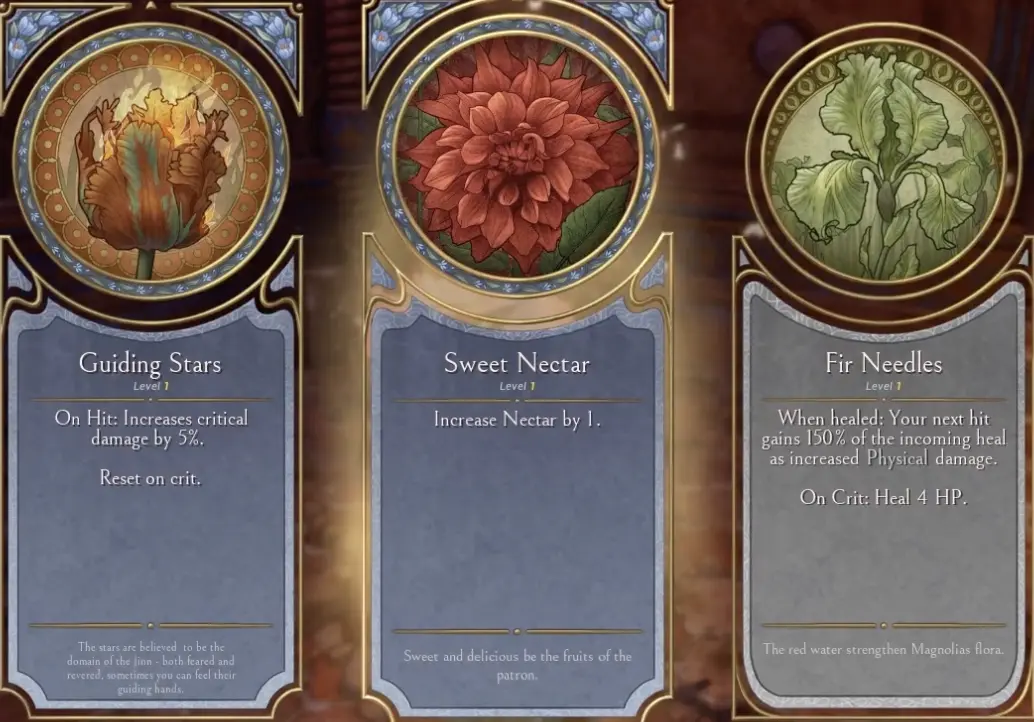
Think of recovery in three layers.
| Recovery layer | What it means | Beginner rule |
|---|---|---|
| Normal healing | You use nectar before you are downed | Heal after creating space, not during an enemy swing. |
| Downed recovery | You may be able to recover if the required resource is available | Do not burn every recovery resource in normal rooms. |
| Boss safety net | Recovery can keep a boss attempt alive after one bad read | Save recovery for phase changes or low-health boss mistakes. |
| Co-op revive window | A teammate may help, but only if the boss is not actively punishing the revive | Do not force revives while the boss is attacking. |
How to Play Co-op With Friends
For now, plan around friend-based co-op rather than random matchmaking.
The practical flow is simple: set up or join the session, invite through Steam friends when available, then agree on roles before starting a serious run.
A basic friend co-op flow looks like this:
| Step | What to do | Why it matters |
|---|---|---|
| 1 | Start from the hub or session setup | Do not rush into a run before everyone is ready. |
| 2 | Invite through Steam friends if available | This is the safest co-op assumption right now. |
| 3 | Wait for everyone to load in | Starting early can create confusion. |
| 4 | Check weapons, Aspects, and relics | Co-op is stronger when players are not all doing the same job. |
| 5 | Decide who handles damage, support, or summons | Roles matter more as fights get harder. |
| 6 | Agree on revive rules | Reviving during active boss pressure can turn one down into two. |
Does Serpent’s Gaze Have Matchmaking?
Treat random matchmaking as unconfirmed unless your current game version shows a clear matchmaking option.
That does not mean co-op is unavailable. It means you should plan around playing with friends instead of expecting a random queue.
| Question | Practical answer |
|---|---|
| Can I play with friends? | Yes, plan around friend-based co-op. |
| Should I expect random matchmaking? | Not unless your current version clearly shows it. |
| Can this change later? | Yes, this is an Early Access game, so co-op features can change. |
| What should I do now? | Use friends, coordinate roles, and check in-game menus after updates. |
Does Co-op Scale Boss HP or Difficulty?
This is the big co-op question: does bringing more players make bosses harder?
The safest answer right now is: treat exact HP or numerical scaling as unconfirmed unless your current version shows it clearly. What definitely changes is the fight pressure.
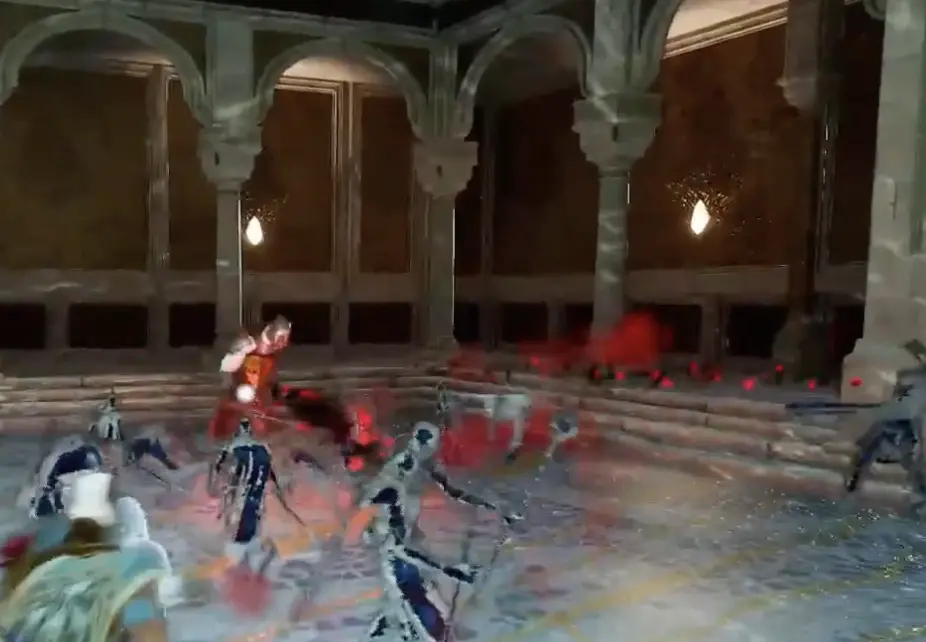
In co-op:
- bosses may switch targets;
- one player can punish while another is targeted;
- revives become part of the fight;
- support and summon builds become stronger;
- visual chaos increases;
- bad positioning can punish multiple players;
- team damage can make openings stronger if everyone survives.
Use this practical table:
| Scaling question | What to assume for now | How to play around it |
|---|---|---|
| Does boss HP increase with players? | Treat exact numbers as unconfirmed | Bring boss damage anyway; do not rely only on extra bodies |
| Does co-op make bosses easier? | It can, if players use roles and revives well | Split pressure and punish target swaps |
| Can co-op make bosses harder? | Yes, if the fight becomes chaotic | Stay close enough to help and avoid bad revives |
| Does 4-player co-op need more coordination? | Yes | Assign roles before the run |
| Should solo players worry about missing co-op power? | No | Solo is valid and cleaner for learning |
Best Solo Build
The best solo build is not always the highest damage build. It is the build that gives consistent damage and enough safety to keep learning.

Use this solo build table for build decisions only.
| Solo problem | Build adjustment |
|---|---|
| I die before the boss | Add Toughness, barrier, or safer room-clear tools. |
| I reach bosses with weak damage | Prioritize boss damage, clear stat scaling, or safe burst. |
| I get punished after every attack | Use a faster weapon or shorter attack pattern. |
| I cannot manage crowded rooms | Use summons, fire burst, barrier, or better priority-target damage. |
| I lose to fast bosses | Use rapier-style punishes, fire burst, bleed, or more survival. |
Best Two-Player Co-op Roles
Two-player co-op is easier to coordinate than four-player co-op, but it gives you less room to specialize. Each player should cover more than one job.
| 2-player pair | Player 1 | Player 2 | Why it works |
|---|---|---|---|
| Safe clear pair | Boss damage | Support / summon | One player kills bosses while the other adds safety and pressure. |
| Fast boss pair | Rapier bleed | Trickster fire | One applies repeated pressure while the other adds safe burst. |
| High-risk pair | Aspect of the Bold | Support / recovery | Bold gets damage while support prevents self-risk from ending the run. |
| Status pair | Plague Rot | Fire or bleed | Multiple damage-over-time sources help against high-health enemies. |
| Heavy carry pair | Heavy Strength | Barrier / support | Heavy weapon gets safer openings while support reduces mistakes. |
Best Four-Player Co-op Roles
Four-player co-op can specialize more. This is where support, summon, status, and damage roles become much stronger.
A good four-player team might look like this:
| Role | Recommended direction | Job |
|---|---|---|
| Boss damage | Primordial Crown, rapier, fire, strong scaling | Punish bosses during safe windows |
| Status pressure | Plague Rot, bleed, burn, Blight | Keep damage ticking on high-health targets |
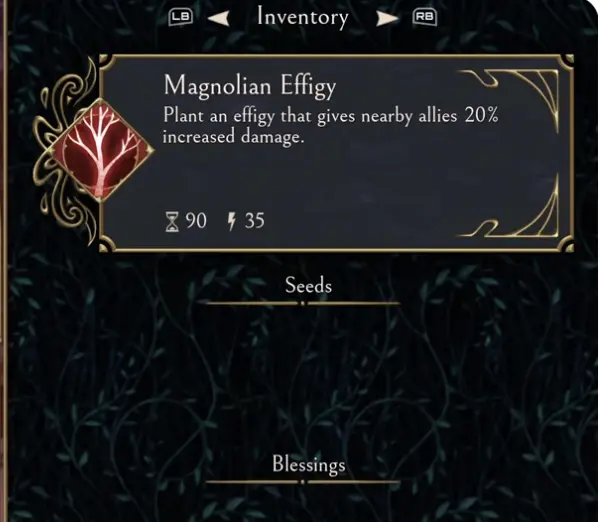
| Support | Magnolia, healing, barrier, ally buff | Keep the team alive and boost damage |
| Control / summon | Summoner, Qareen, relic-heavy setup | Split attention and create safe openings |
Co-op Rules That Work Everywhere
Instead of separating room rules and boss rules into repeated sections, use these rules everywhere.
In Rooms
| Room rule | Why it matters |
|---|---|
| Do not split too far | Two separate fights are harder to recover from than one controlled fight. |
| Kill ranged enemies early | Ranged pressure makes revives and support harder. |
| Let summon builds set up | Pulling enemies away from summons wastes the build. |
| Stay near support when it matters | Ally buffs and shared effects fail if everyone spreads out. |
| Call out low nectar | A low-healing player should not be the one pulling extra enemies. |
In Boss Fights
| Boss rule | Why it matters |
|---|---|
| One player baits, one punishes | Prevents everyone from eating the same attack. |
| Revive after boss commitment | Reviving during active pressure often creates another down. |
| Punish target swaps carefully | A boss can turn back faster than you expect. |
| Keep support range in mind | Buffs and healing tools need teammates nearby. |
| Do not drag bosses away from summons | Summon pressure only works if the boss stays near it. |
Solo Boss Tips
Solo boss fights are cleaner than co-op, but less forgiving. This section is only about behavior, not build checks.

| Solo boss issue | Behavior fix |
|---|---|
| I panic-roll | Dodge the actual attack, not the first movement. |
| I get clipped after attacking | Use one or two hits, then leave. |
| I cannot heal safely | Heal only after the boss whiffs or finishes a string. |
| I lose camera control | Reset spacing instead of chasing. |
| I die at low boss health | Stop greeding final hits and save stamina. |
| I get hit by follow-ups | Wait half a beat before punishing. |
When Solo Is Harder Than Co-op
Solo becomes harder than co-op in specific situations:
- the boss has long pressure strings;
- you are learning a new weapon;
- you have no recovery resources left;
- a Curse adds extra room pressure;
- your build needs setup time;
- you struggle with ranged enemies or fast elites;
- you panic when every enemy targets you.
The fix is not always “play co-op.” Sometimes the fix is a safer solo build.
| Solo pain point | Fix before switching modes |
|---|---|
| Every enemy targets me | Use more spacing, barrier, summons, or fire burst. |
| Boss pressure feels nonstop | Use shorter punish windows and save nectar. |
| I die before learning patterns | Add Toughness or recovery tools. |
| Rooms drain all healing | Slow down and kill ranged enemies first. |
When Co-op Is More Dangerous Than Solo
Co-op can become harder than solo when the team creates chaos.
This happens when:
- everyone sprints in different directions;
- no one tracks support range;
- players revive during active boss attacks;
- everyone builds damage with no recovery;
- the boss target swaps and players stop paying attention;
- summons or support setups are ignored.
FAQ
Can you play Serpent's Gaze solo? +
Yes. You can start runs alone, choose your class and weapon, level stats, use nectar, fight bosses, unlock tools, and progress maps without a co-op partner.
How does solo recovery work in Serpent's Gaze? +
If you still have the required recovery resource or prompt available, being knocked down does not always have to end the attempt immediately. Save nectar and recovery resources for bosses or dangerous rooms.
How do you play co-op with friends in Serpent's Gaze? +
Plan around friend-based co-op. Start from the hub or session setup, invite through Steam friends when available, then coordinate roles before entering a serious run.
Does Serpent's Gaze have random matchmaking? +
Treat random matchmaking as unconfirmed unless your current version shows a clear matchmaking option. Friend-based co-op is the safer assumption.
Does Serpent's Gaze scale with player count? +
Exact boss HP or enemy scaling should be treated as unconfirmed unless your current version shows it clearly. What definitely changes is pressure: targets split, revives matter more, and team roles become stronger.
Is 2-player or 4-player co-op better for beginners? +
Two-player co-op is easier to coordinate. Four-player co-op gives stronger role specialization, but it can become chaotic if everyone spreads out or builds only damage.
What is the best solo build? +
The best solo build is a consistent setup with clear damage, enough nectar, Toughness or barrier when needed, and safe boss damage instead of pure glass-cannon greed.
What is the best co-op build? +
The best co-op builds are split by role: boss damage, support, summons, status pressure, and recovery. Two-player teams need flexible builds; four-player teams can specialize more.