How I Play Every Machine Party Minigame
A player-first breakdown of all 15 modes, including the opening move, common failure point, and adjustment that helped me survive.
Updated:
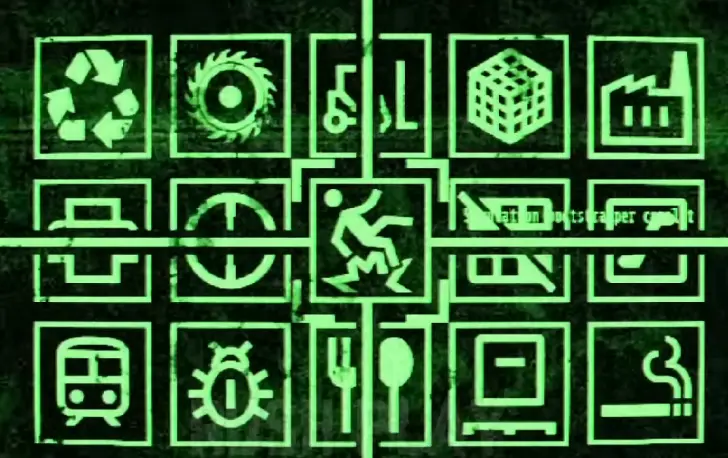
Quick Answer
Machine Party has 15 minigames, and every one rewards a different skill. I play Minefield and Tunnel Hazard as route-planning games, Chisel Gauntlet and The Filter as accuracy tests, and Duck Hunt or Lethal Rebound as positioning games. My biggest improvement came from reading the objective before moving, then changing from aggression to survival as soon as the arena became crowded.
The first mistake I made in Machine Party was treating every mode like a race. That works in Wrong Way, but it gets me killed in Minefield, Table Manners and Spinebreaker.
The useful question is not only, “What button do I press?” It is:
What must I finish first, what can interrupt me, and when is it safer to stop attacking another player?
The table below is my quick reference. The detailed sections focus on the parts that were not obvious during the first round.
| Minigame | What actually decides the round | Achievement target |
|---|---|---|
| Minefield | Reading a safe route without letting the harvester catch up | Reach the exit without sonar |
| Chisel Gauntlet | Memorizing the target before removing cube segments | Survive until the maximum number of segments are removed |
| Firearm Factory | Completing the correct recipe before another player can shoot | Kill a player who assembled a gun before you |
| Wrong Way | Entering long direction sequences without breaking rhythm | Take 50 correct steps in a row |
| Duck Hunt | Runners crossing during reload windows while the Hunter controls sightlines | Land a headshot |
| Stable Footing | Moving to the currently marked symbol before the floor drops | Survive until only 10 tiles remain |
| Table Manners | Moving food only while the host is looking away | Finish the meal in under 20 seconds |
| Tunnel Hazard | Reaching a green nook before the train arrives and surviving the final squeeze | Take the last nook |
| Inside Job | Finding the single syringe, then converting or avoiding the infected team | Infect someone within 3 seconds of finding the syringe |
| Smoke Break | Balancing each inhale with a complete exhale | Smoke 20 cigarettes in total |
| Debris Platforms | Clearing incoming junk before the platform reaches its danger state | Knock someone off with thrown debris |
| Spinebreaker | Keeping the device moving between players before it detonates | Throw it with less than 1 second remaining |
| Lethal Rebound | Reading repeated disc paths while preserving an escape lane | Push 15 players into the hacksaws |
| Forklift Certified | Moving crates cleanly into the deposit area without losing them to another forklift | Hold 4 crates in the deposit area |
| The Filter | Sorting art and technology quickly without one wrong input | Win with 100% accuracy |
Minefield
Minefield gives me a sonar and asks me to cross a floor packed with hidden mines. The route is not the only threat: a harvester advances from behind, so standing still and scanning every step eventually becomes as dangerous as moving too quickly.
I start with one long sonar pulse before taking my first step. Once I see the nearest safe gap, I move into it, stop, and scan again. I do not follow another player directly on their heels. One shove near a revealed mine can remove both players, and a body in front of me can block the only clean line when the harvester closes in.
My route is:
- scan from the starting edge;
- choose the widest visible gap rather than the shortest line;
- move through that gap and stop on clear ground;
- scan again before changing direction;
- commit to the exit once the harvester is close enough that another pause would trap me.
For the no-sonar achievement, I practice the normal route first. I only attempt the blind run when I can read the spacing and avoid panic-pushing other players.
Chisel Gauntlet
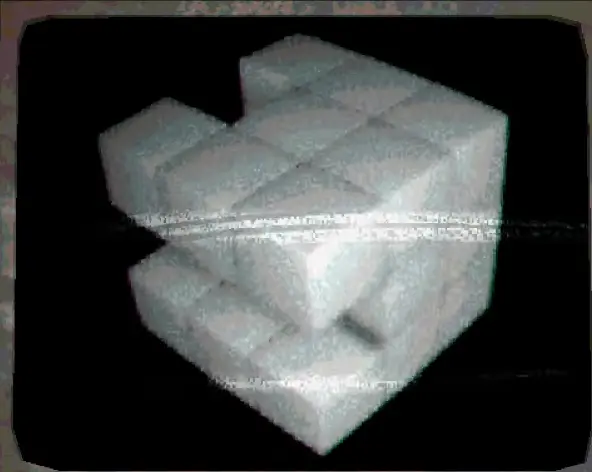
Chisel Gauntlet briefly shows a target cube, then asks me to carve my own cube to match it and submit the result. The first pattern may use only a few removed segments, but later patterns are harder to hold in memory.
The real trap is not forgetting the whole shape. It is making one accidental cut, resetting, and then realizing I no longer remember the original pattern. Before touching the cube, I convert the target into a short instruction such as “top two and front-right.” That is easier for me to retain than a full 3D image.
I carve in this order:
- identify the face currently pointed toward me;
- remove the most distinctive segment first;
- rotate or reposition the view before touching a hidden side;
- compare the remaining solid pieces with my verbal pattern;
- submit only when every removal has a reason.
I use reset immediately after an obvious misclick, but I do not keep carving at random. A wrong submission ends the round; a controlled reset at least gives me a chance to reconstruct the target.
Firearm Factory
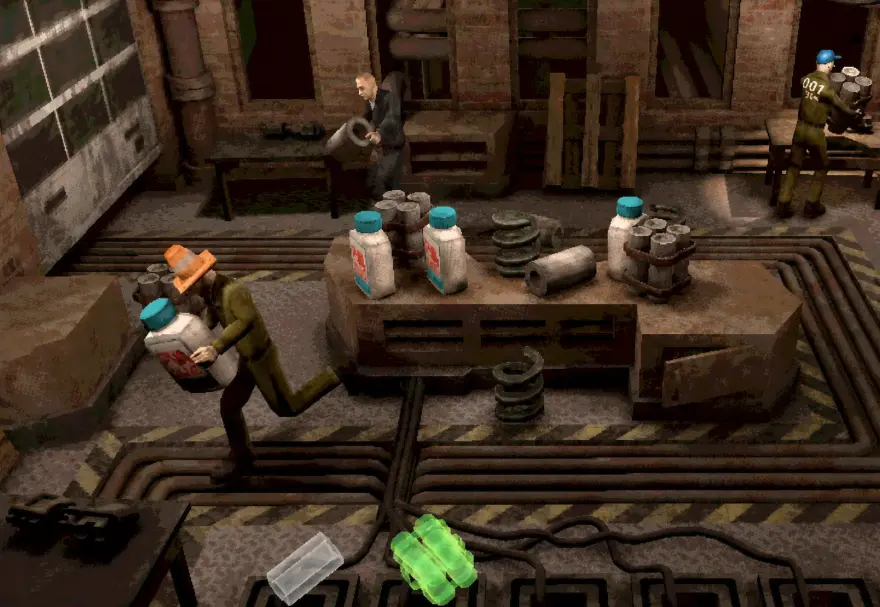
Firearm Factory gives each player a weapon recipe and scatters the required parts around a shared factory. I have to collect the correct pieces, bring them back to my workstation, insert them, assemble the gun and then shoot the remaining players.
My first failed round came from carrying a correct-looking part to the table and not inserting it. The part must reach the workstation and be placed into the build, not merely dropped nearby. Recipes can also differ between players, so I do not copy the person next to me.
My opening route is simple:
- read the recipe from left to right;
- memorize the first two silhouettes;
- take the nearest required part;
- return it to my own workstation and insert it immediately;
- repeat instead of carrying several uncertain pieces at once.
When another player finishes a gun, I stop searching unless my final part is already in hand. I move unpredictably, use the machinery as cover and wait for their shot. The gun has enough downtime between attacks that surviving the first attempt can give me time to complete my own build.
Wrong Way
Wrong Way places me on an escalator and displays a stream of directional inputs. Every correct command moves me upward; hesitation or a wrong direction lets the escalator drag me back.
I perform much better when I stop looking at my character. I keep my eyes on the prompt row and read only the next two or three arrows. Trying to memorize a long sequence makes me pause after each cluster.
On keyboard, the arrow keys worked more cleanly for me than spreading the input across movement keys. On controller, I use the D-pad instead of the analog stick. The stick is easy to roll into a diagonal, while the game wants a clean cardinal direction.
For the 50-step streak, I do not chase another player’s pace. I restart my rhythm with deliberate single presses after any mistake and build speed only after the prompts feel predictable.
Duck Hunt
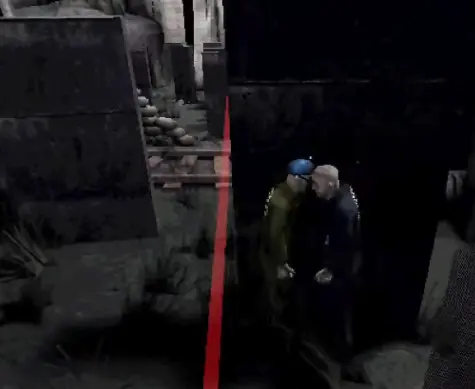
Duck Hunt assigns one player as the Hunter and the others as Runners. The Runners must cross the arena and reach the exit. The Hunter uses a scoped weapon: a body shot is survivable, but a second hit or a headshot can end the run.
As a Runner, hiding forever is a losing route. I move from cover to cover and listen for the Hunter’s shot or reload. The best crossing window begins immediately after a shot, especially when another Runner is already forcing the Hunter to turn. With three Runners, moving together creates more pressure than advancing one at a time.
As the Hunter, I keep the crosshair near head height instead of tracking feet. The visible laser can reveal my angle, while a quick unscoped shot is harder for Runners to read but less reliable. Mouse aiming was dramatically faster and more precise for me than controller aiming in this mode.
My decision rule is:
- Runner: advance when the Hunter shoots or turns away;
- Hunter: take the easy body shot near the exit instead of holding forever for a perfect headshot;
- Either role: do not remain in the same piece of cover after being spotted.
Stable Footing
Stable Footing shuffles a floor of symbol tiles. A symbol is selected for the next drop, and I must stand on a matching tile before the unsafe floor disappears. The symbol changes between phases, which is why following the tile that was safe last time gets players killed.
I look at the indicator first, then at the floor. In my early rounds I saw an X, a circle and a square but moved before confirming which one was currently safe. Now I identify the symbol, choose the nearest matching tile and move there before I think about pushing anyone.
The late-round decision is more important than the opening:
- when several safe tiles remain, I take an isolated tile and avoid contact;
- when the floor becomes sparse, I move before the crowd blocks the route;
- when only one nearby option remains, I stand near its center rather than its edge;
- I push only after both feet are secure and another safe route still exists.
There is no useful recovery after falling, so a failed attack is much worse than letting another player share space for one more phase.
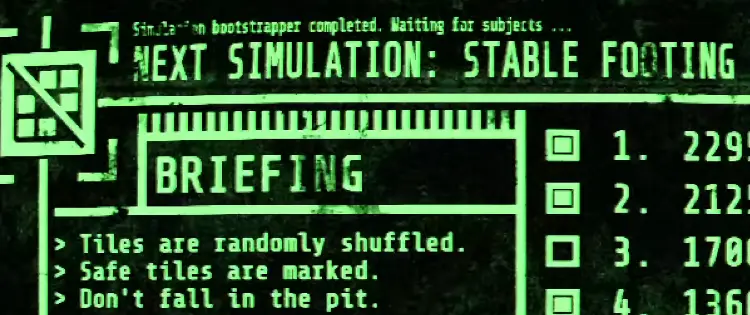
Table Manners
Table Manners asks me to move food from the plate to my mouth without eating in front of the host. The host periodically looks at the table and shoots players who are still moving.
I use the host’s head movement as the timer. As soon as the host looks away, I move the fork to the plate, load it, return to the mouth and stop. I do not begin a new trip when the host has already been looking away for several seconds, because that usually leaves me halfway through the motion when the head turns back.
The fork can carry more than one pea, which makes a fast clear possible. I only load heavily at the start of a fresh safe window. Near the end of the meal, I use smaller transfers because losing the round with one bite left is worse than finishing slightly slower.
My safest rhythm is look away → plate → mouth → stop, repeated without extra cursor movement. For the under-20-second achievement, the speed comes from full forks and immediate starts, not from moving while watched.
Tunnel Hazard
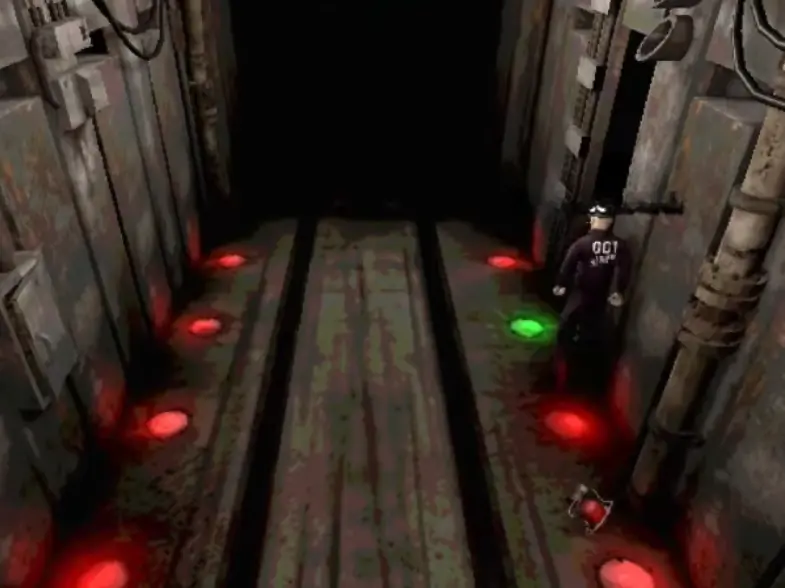
Tunnel Hazard sends a train through the arena while green wall nooks provide safety. Red areas are unsafe, and the number of usable nooks shrinks until the final rounds force players into direct competition.
I stay near the center while the next safe spaces are being established. Running to the wall too early makes it easy for another player to trap me against the wrong section. Once the green nooks are visible, I commit to the nearest one and enter straight rather than approaching along the wall.
The most common failure happens inside the nook. Two players arrive, one stands near the opening, and the second push sends someone back into the train lane. I move to the deepest stable part of the green area first, then face outward so I can see the next player approaching.
When only one nook remains, survival is no longer about choosing a route. I enter before the crowd, keep my back away from the opening and push only when the other player is between me and the tunnel. That is the position needed to take the last nook rather than being the final person forced out.
Inside Job
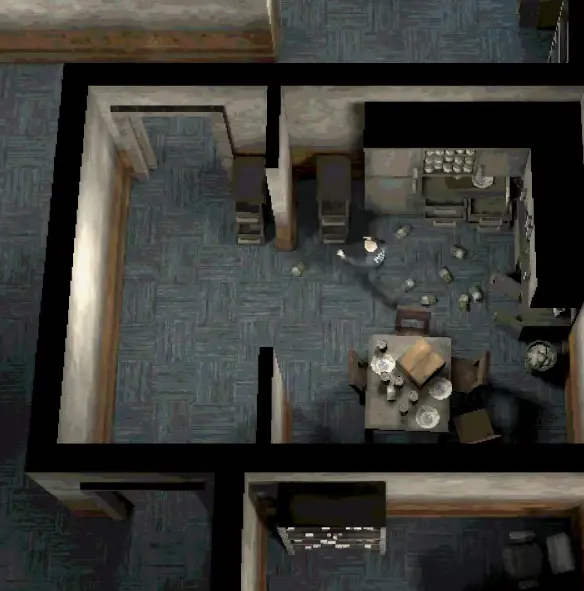
Inside Job starts every player as a human inside a dark office. One syringe is hidden in searchable furniture. The player who finds it can infect someone; infected players revive and join the hunt for the remaining humans.
I search one room in a fixed direction instead of opening random furniture. I begin with the nearest desk or drawer, hold the interaction until the search finishes, then continue clockwise around the room. If another player has already checked an object, I leave rather than repeating their route.
Finding the syringe changes the priority immediately. I do not celebrate or search for a perfect target. I close the distance to the nearest player and use it before they understand why I am following them. That direct transition is the best route toward the 3-second infection achievement.
If I become infected, I stop chasing the same person as everyone else. I take the opposite hallway and call the survivor’s direction so the team can close both exits. If I remain human, I move only after the infected group commits to one side of the office; hiding in an obvious corner works once, but it leaves no escape when two hunters arrive.
Smoke Break
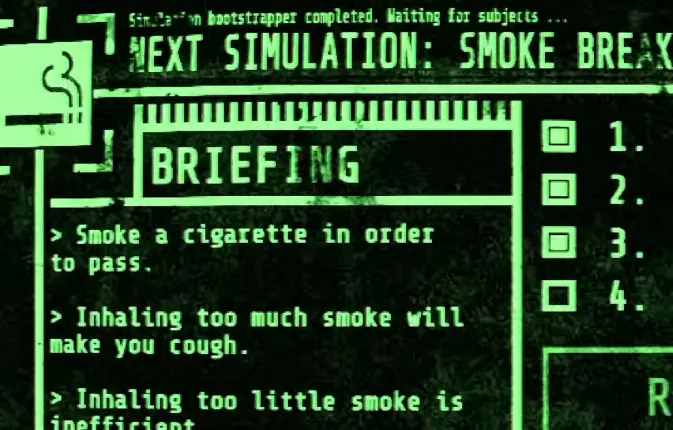
Smoke Break uses one repeated action to inhale and release. Holding too long causes a cough, while releasing too early barely reduces the cigarette. The cigarette visibly gets shorter as progress is made.
I use medium inhales rather than one maximum pull. After each inhale, I release fully and wait for the exhale to finish before starting again. Beginning the next pull too early is what most often locks me into coughing and wastes the remaining window.
The correct rhythm feels slower than button-mashing:
- hold until the inhale is close to the danger point;
- release completely;
- watch the cigarette shrink;
- begin the next pull only after the exhale ends.
If the round is almost over and only a small section remains, I take one controlled risk rather than several tiny inhales. For the cumulative 20-cigarette achievement, consistent finishes matter more than winning a single round by a fraction of a second.
Debris Platforms
Debris Platforms drops junk onto each player’s small platform. I can pick up the pieces and throw them away, including onto another player’s platform. Allowing too much junk to accumulate turns the platform dangerous and eventually removes me from the round.
My first priority is always my own floor. When the warning state begins turning red, I stop aiming at opponents and throw the nearest large object in any safe direction. Trying to line up an attack while standing in a pile is the fastest way to lose without affecting anyone else.
Once my platform is clear, I look for a player standing close to an edge. A flat, horizontal throw is more useful than throwing junk randomly onto an empty corner, because a direct hit can knock the player off and satisfy the related achievement.
I also keep moving after a throw. Falling debris can hit the top of the character, and another player’s object may arrive while I am watching where my own piece landed.
Spinebreaker
Spinebreaker releases a mobile device that hunts the players. When it reaches someone, the device attaches and begins its dangerous countdown. The attached player can remove it and throw it toward someone else; a clean direct throw can attach it immediately to the target.
I stay in open space while the device is chasing me. Short barriers can break its line temporarily, but hiding in a corner removes my escape route when it comes around the obstacle. I circle the arena with enough space to turn, then move toward another player only when the device is already committed to my path.
If it attaches during a normal round, I throw it early. Waiting for the final second adds risk without helping survival. The only time I deliberately hold it is during a coordinated attempt at the under-1-second achievement.
For a transfer, I aim at the player rather than the floor beside them. A direct hit is more reliable than hoping the device wakes up and chooses the intended target after landing.
Lethal Rebound
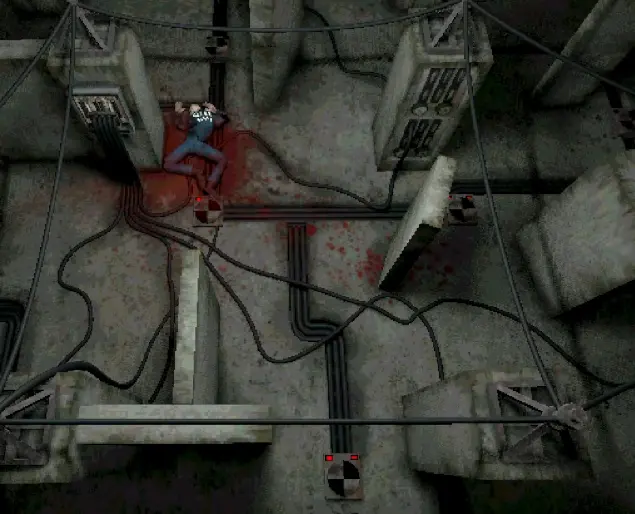
Lethal Rebound fills the arena with razor-sharp discs that continue bouncing through the space. Last player standing wins, but the push button makes every safe-looking position temporary.
I watch one disc long enough to understand its current lane before moving. The discs rebound, so sprinting behind one without checking the return path can place me directly in its next crossing. I prefer a pocket between two repeated lanes and move immediately after the closest disc passes.
Early in the round, I do not chase players. There is enough space for everyone to survive, and an unnecessary push often puts both players into a disc line. Once the arena is crowded, I approach from the side and push across the target’s escape path rather than following directly behind them.
For the cumulative 15-push achievement, I treat each safe opportunity as one attempt. I do not sacrifice the whole round for a low-angle shove when the target can simply step forward.
Forklift Certified
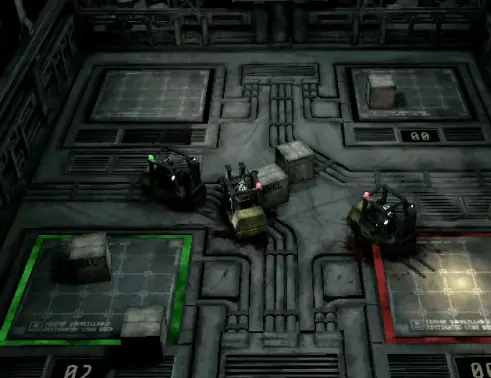
Forklift Certified asks each player to collect crates and place them inside a personal deposit area. The forklifts use steering, forward and reverse movement, and separate raise/lower controls for the forks. Other players can take exposed crates, including crates that are already close to my side.
I use the same loading sequence every time:
- approach the crate in a straight line;
- lower the forks before contact;
- drive under the crate;
- raise it only after the crate is centered;
- reverse toward my deposit area;
- lower the crate inside the marked zone before turning away.
Turning sharply with a raised crate causes more problems than the inverted steering itself. If the crate begins sliding, I stop and realign instead of trying to save it during the turn.
When another player has a clear lead, I stop competing for the central spawn. I take the closest exposed crate from their route or block the exit from their deposit area. For the 4-crate achievement, keeping every delivered crate fully inside the marked zone is more important than touching four crates during the round.
The Filter
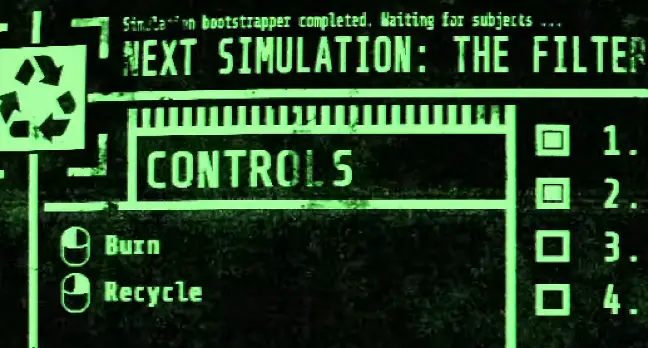
The Filter places objects on a production line and asks me to burn the art and recycle the technology. Burn and recycle use different inputs, so one wrong reflex can end a perfect-accuracy run.
The useful distinction is the object’s purpose, not only its material. I do not send every metal-looking item to recycling until I recognize whether it is a piece of technology or an artwork made from metal.
I begin slowly and establish the two-button rule:
- art goes to burn;
- technology goes to recycle.
Once the categories are automatic, I increase speed. In one clean round, a player processed 57 items with 100% accuracy, while another strong run reached roughly 60. That showed me that the perfect-accuracy achievement does not require reckless inputs; a controlled rhythm can still produce a winning total.
When an unfamiliar object appears, I accept a short pause. One missed item costs less than pressing the wrong action and losing the accuracy condition for the entire round.
The Three Habits That Improved Every Minigame
After playing the full set, three habits carried across almost every mode:
- I read the objective page, not only the control page. Firearm Factory, Stable Footing and Spinebreaker are easy to misread if I ready up after seeing only the buttons.
- I finish the survival task before attacking. I clear my own debris, enter the green nook and reach a safe tile before I try to push someone else.
- I change plans when the arena changes. A route that is safe with four platforms, three nooks or several clear lanes can become fatal one phase later.
Machine Party rewards aggression, but the cleanest wins usually come from one safe setup followed by one deliberate attack.
What to Read Next
- Use the Machine Party Achievements Guide for the exact unlock condition and recommended setup for all 15 achievements.
- Return to the Machine Party Guide Hub for multiplayer basics, controls, troubleshooting and the recommended reading order.
FAQ
Can I practice specific Machine Party minigames? +
Yes. I use a custom playlist when I want to repeat a difficult mode instead of waiting for it in a full rotation. This is especially useful for Chisel Gauntlet, Wrong Way, Duck Hunt, and achievement attempts that need several clean repetitions.
Is mouse and keyboard always better than controller? +
No single input method is best for every mode. Mouse aiming gives the Hunter a major advantage in Duck Hunt, while keyboard arrows or a controller D-pad are easier for me to read in Wrong Way. Most movement-and-interact modes are comfortable on either input once the buttons are familiar.
What happens if players tie in Forklift Certified? +
A tie can leave multiple players alive when the elimination check happens. I do not rely on that outcome, because one stolen or dropped crate can change the count immediately before the round resolves.