Arms of God Beginner Guide
A practical Arms of God beginner guide for your first runs, covering Warden, Act 1 pacing, starting weapons, souls, Crux, blessings, merges, Cathedral basics, and Doom Herald prep.
Updated:
Quick Answer
For your first Arms of God run, start with Warden and choose a weapon that gives you safe, readable damage. Scalding Crossbow and Magnum are the easiest first picks because both are ranged fire weapons with useful range and pierce. Treat Act 1 as a 15-wave run that ends with Doom Herald: build one carry weapon, collect safe souls, let unsafe souls feed the Crux, learn basic weapon merging, and buy survival before the final boss wave.
First Run Goal
Your first clear has one simple target:
survive Act 1, beat Doom Herald, unlock Spectre in the current Early Access route, and open Cathedral progressionDo not try to solve every weapon or building immediately. Arms of God gives you a lot of systems early: Templars, main weapons, souls, Crux, blessings, weapon upgrades, weapon merges, events, and Cathedral resources. The safest way to learn is to make one weapon carry the run and use the other systems to support it.
| System | Beginner priority | Why it matters |
|---|---|---|
| Templar | Start with Warden | His dodge and flexible stats are easy to learn |
| Main weapon | Pick a clear ranged weapon first | Your starting weapon cannot be converted later |
| Souls | Collect safe souls first | They pay for weapons, blessings, upgrades, and refreshes |
| Crux | Let unsafe souls feed it | The Crux can give aura and hero buffs during the run |
| Blessings | Buy only when they match your plan | Blessings affect global stats and may have downsides |
| Weapon merges | Merge matching weapons into higher tiers | One strong carry is better than five weak weapons |
| Events | Do them when the route is safe | Events give resources, revelations, and progression value |
| Boss prep | Buy survival before wave 15 | Doom Herald punishes fragile damage-only builds |
Best Beginner Templar: Warden
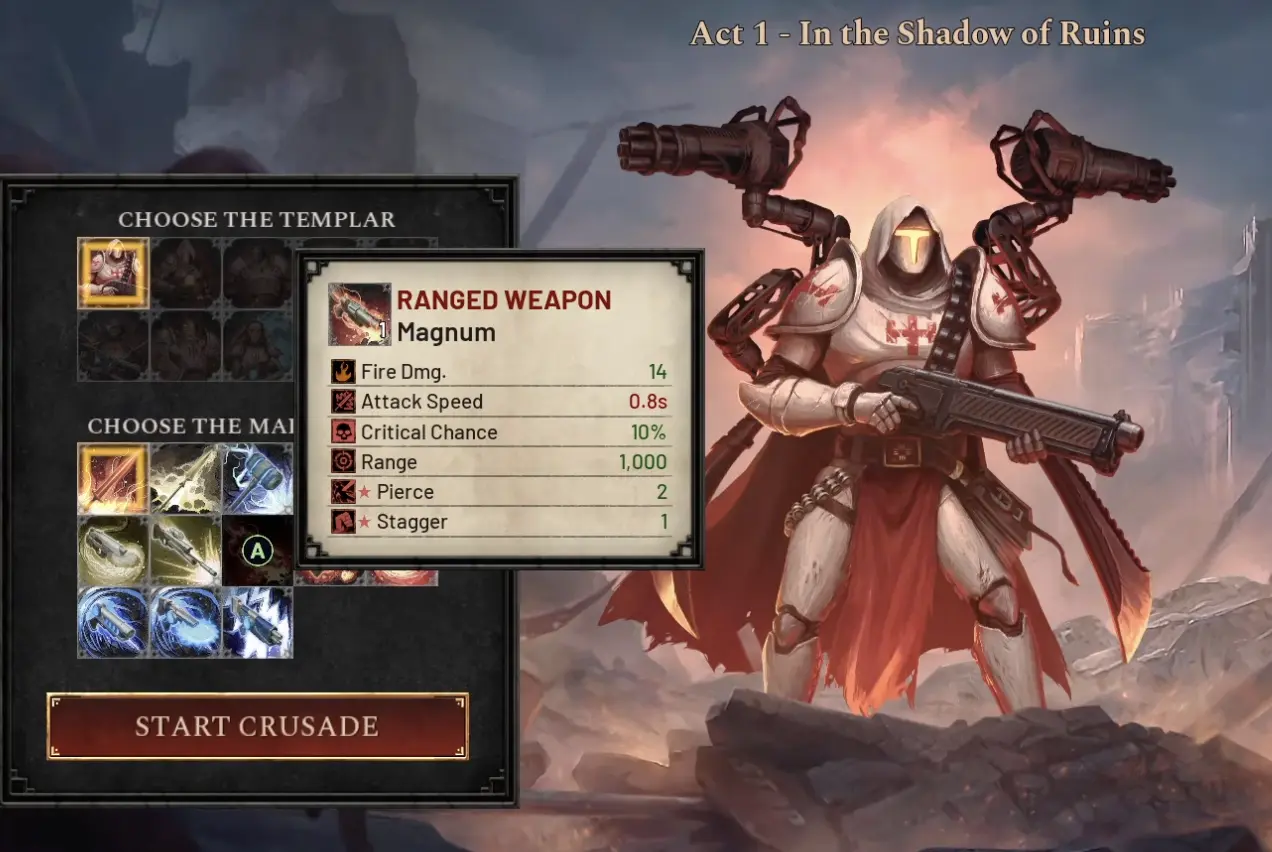
Warden is the safest beginner Templar because he does not force a narrow weapon plan. His starting profile is simple: 40 Health Points, 6% Damage, 9% Critical Chance, and -14% Range. His active skill is Dodge, and his main weapon starts with Wrath Amplifier, which increases weapon damage each time you use a skill during the wave, up to +100%.
| Warden detail | What it means for beginners |
|---|---|
| 40 Health Points | Enough room to survive early mistakes |
| 6% Damage | Simple offensive boost without a special condition |
| 9% Critical Chance | Works well with Crossbow, Magnum, and other crit-friendly weapons |
| -14% Range | This is Warden’s main early downside. If you start with Crossbow or Magnum, early range upgrades are especially useful. |
| Dodge active skill | Gives a panic button for danger zones and boss movement |
| Wrath Amplifier | Rewards using your active skill during waves |
Act 1 Wave Timeline
Act 1 is your first 15-wave route toward the Cathedral. Arms of God is structured around four Acts with 15 levels each, so beating Act 1 is not the end of the game — it is the point where the long-term Cathedral progression loop begins. The run is short enough that every shop phase matters.
| Act 1 phase | Main goal | What to buy or do |
|---|---|---|
| Waves 1–3 | Learn movement and collect souls | Buy one extra weapon or one useful upgrade; avoid spending all souls on refreshes |
| Waves 4–6 | Pick your carry weapon | Watch which weapon deals most damage and start supporting that weapon |
| Waves 7–10 | Commit to a build | Merge matching weapons, buy matching damage type blessings, and stop buying off-plan weapons |
| Waves 11–13 | Stabilize the run | Add HP, armor, HP steal, HP rate, movement speed, range, or pierce if enemies are reaching you |
| Waves 14–15 | Prepare for Doom Herald | Finish your carry weapon, avoid risky events, and enter the boss wave with survival |
Best Starting Weapons for Beginners
Your starting weapon matters because your main weapon cannot be converted into an upgrade. You can build around another weapon later, but your first weapon stays with you.
For beginners, ranged weapons are safer because they let you learn soul pickup, events, and boss spacing without standing inside the enemy pack.
| Weapon | Type | Starting stats that matter | Beginner verdict |
|---|---|---|---|
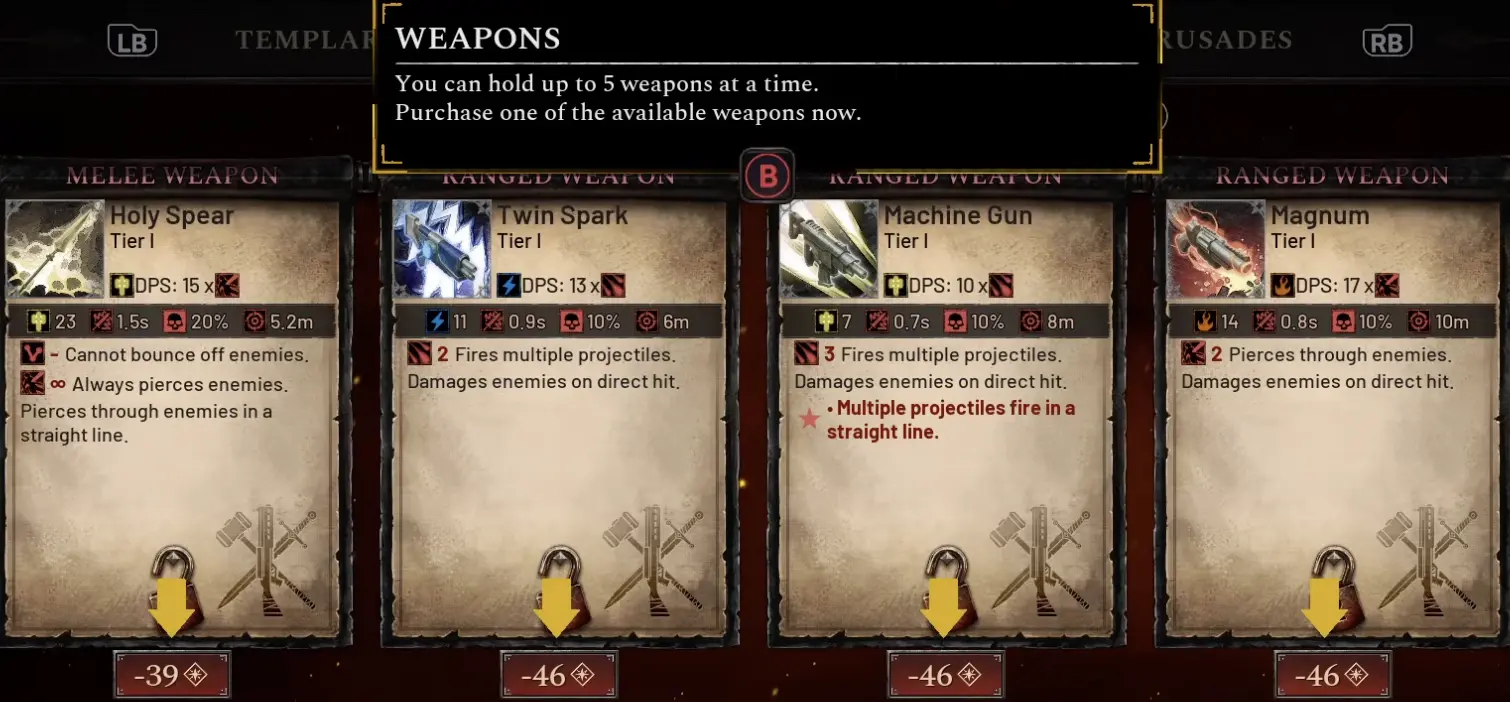
| Scalding Crossbow | Fire ranged | 16 Fire Dmg, 1.4s Attack Speed, 15% Crit, 800 Range, 1 Pierce, 1 Bounce | Best all-around first pick |
| Magnum | Fire ranged | 14 Fire Dmg, 0.8s Attack Speed, 10% Crit, 1000 Range, 2 Pierce, 1 Stagger | Very safe ranged start |
| Machine Gun | Holy ranged / fast-hit | 7 Holy Dmg, 0.7s Attack Speed, 10% Crit, 800 Range, 3 Projectiles | Strong later if you find holy, projectile, or Gatling support |
| Sawed Off Shotgun | Holy ranged | 11 Holy Dmg, 0.9s Attack Speed, 10% Crit, 600 Range, 2 Projectiles, 1 Stagger | Better as a second or third weapon than as your safest first pick |
| Cutter | Holy ranged | 12 Holy Dmg, 1.1s Attack Speed, 15% Crit, 1000 Range, 1 Pierce, 1 Bounce | Good utility-style ranged weapon |
| Holy Spear | Holy melee | 23 Holy Dmg, 1.5s Attack Speed, 20% Crit, 520 Range, infinite Pierce, 2 Stagger | Strong, but closer-range learning curve |
| Shock Maul | Electric melee | 21 Electric Dmg, 1.7s Attack Speed, 440 Range, infinite Pierce, 3 Stagger | Powerful but riskier for first runs |
| Ember Sword | Fire melee | 18 Fire Dmg, 1.3s Attack Speed, 400 Range, infinite Pierce, 1 Stagger | Fine later, but not the safest first pick |
Aiming Modes
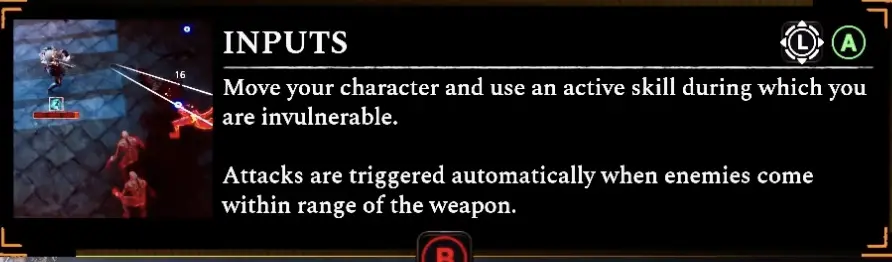
Arms of God has different aiming styles. You do not need full manual aim to start, but boss fights become easier when you can control where your damage goes.
| Aiming mode | Use it when… | Problem |
|---|---|---|
| Auto aim | You are learning movement, souls, and events | Boss focus can feel inconsistent |
| Cone aim | You want direction control without full manual aiming | Requires more attention during crowded waves |
| Manual aim | You want to focus bosses or priority targets | Harder while dodging and collecting souls |
If you can clear normal waves but struggle to finish bosses, try cone aim before jumping straight to manual aim.
Souls and Crux
Souls are the glowing orbs dropped by enemies. They are your shop currency, but they also interact with the Crux.
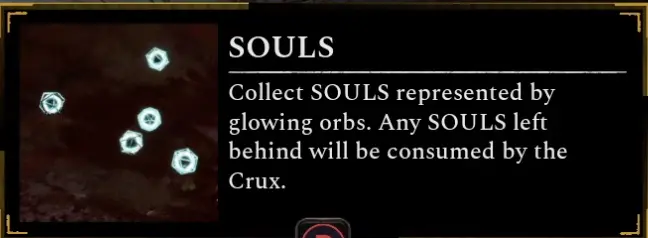
The practical beginner rule is:
collect safe souls for shop power; let unsafe souls feed the CruxDo not use a fixed rule like “always collect everything” or “always feed the Crux.” Your decision depends on the wave.
| Situation | Better choice |
|---|---|
| You have weak weapons early | Collect souls yourself and buy power |
| A pile is surrounded by enemies | Let the Crux consume it |
| You are low HP | Stop diving for orbs |
| The wave is nearly over | Grab only the closest safe pile |
| Your shop is already strong | Let some distant souls feed Crux progress |
| You need one more merge / upgrade | Collect more aggressively, but use safe paths |
Crux Choices: What to Pick Early
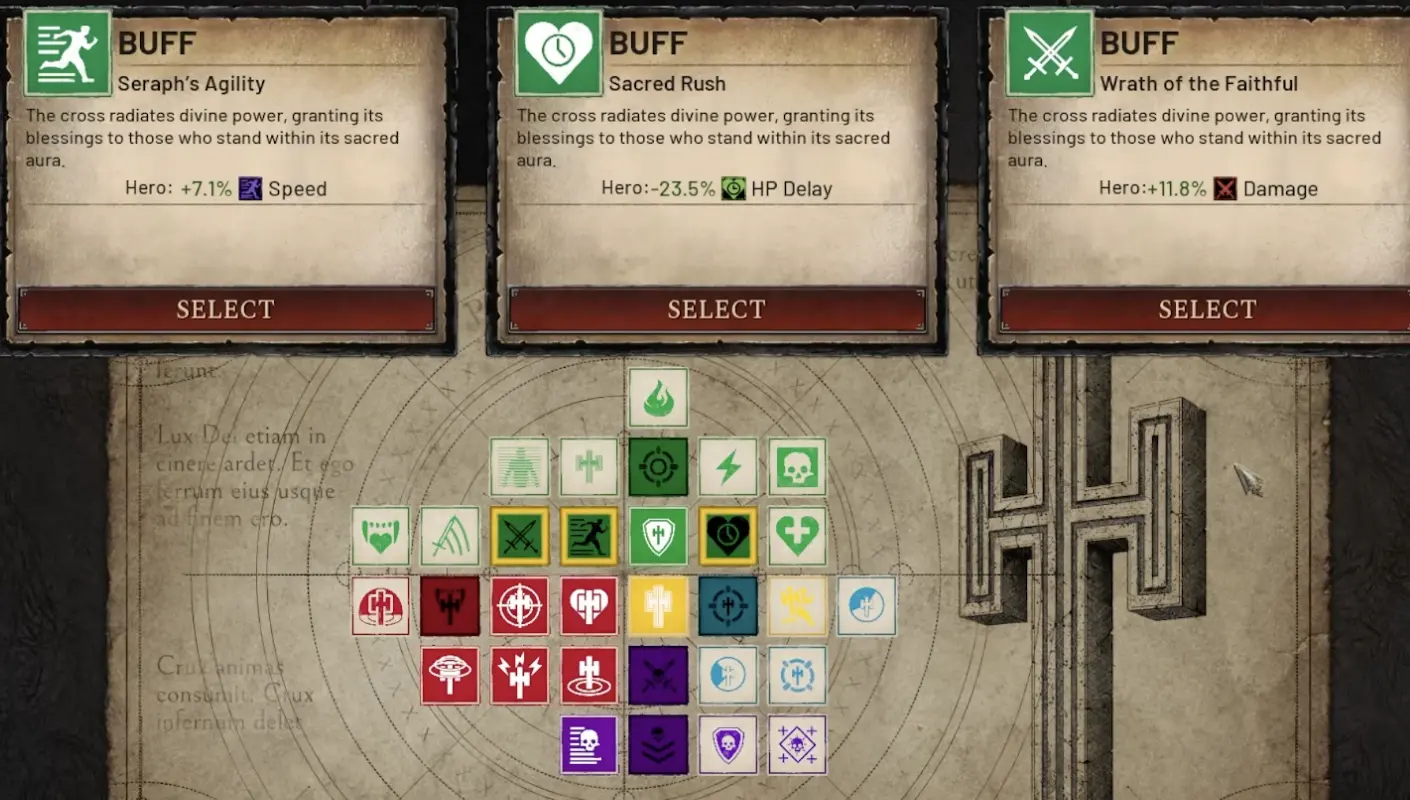
When the Crux levels up, you choose one available tile from the Crux board. Picking a tile opens nearby options, so your early choices shape what you can take later. The exact layout can vary, but the beginner priority is consistent: take options that help you survive and move before chasing only damage.
| Crux option | Beginner value | Pick it when… |
|---|---|---|
| Speed | Very high | You struggle to collect souls, finish events, or dodge boss zones |
| HP Delay reduction | High | You take chip damage and need regeneration to begin sooner |
| Damage | High if you are safe | Your movement and survival already feel stable |
| Aura defense | Good | You often fight near the Crux area |
| Healing / HP Rate | Good | You recover too slowly after taking hits |
| Aura range | Good | You want the Crux area to be easier to use |
Blessing Buy-or-Skip Examples
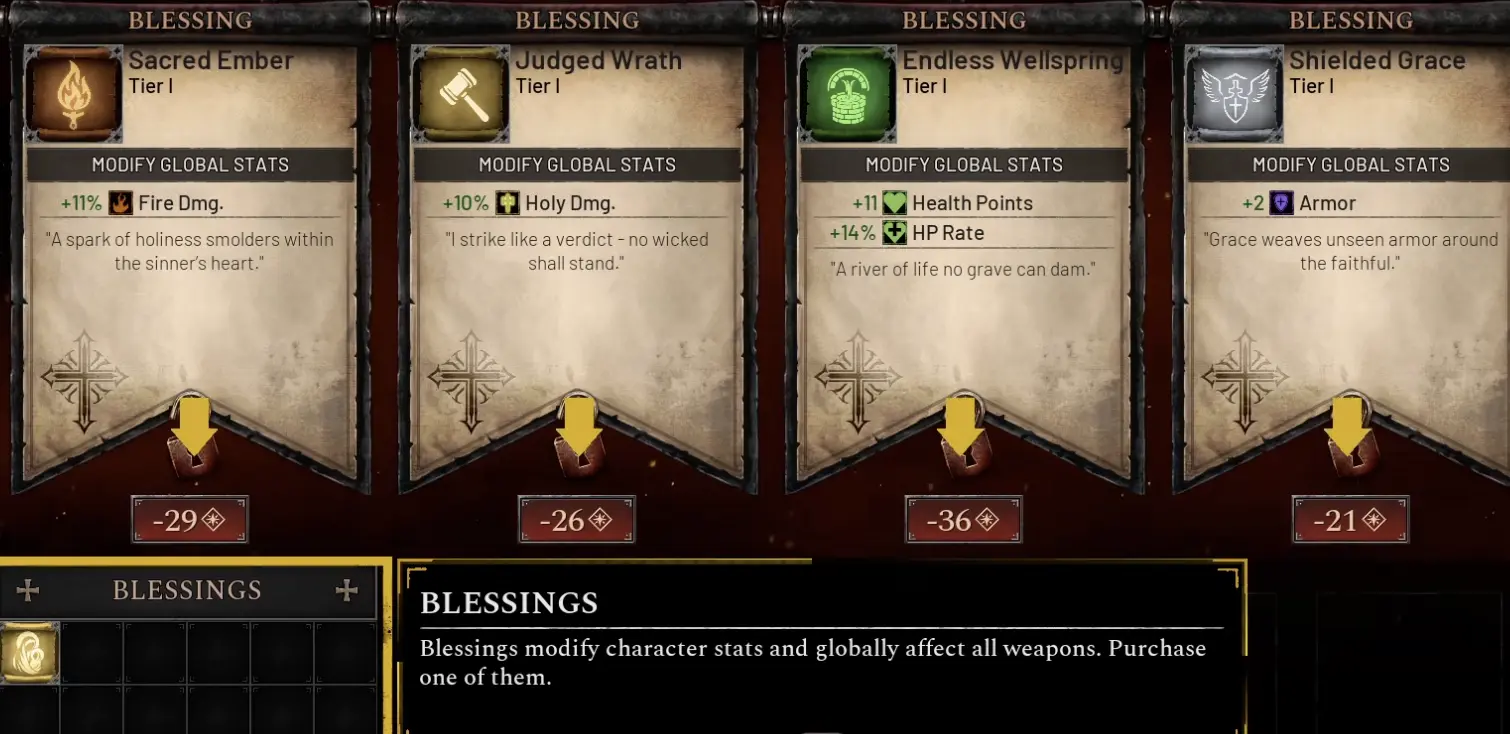
Blessings modify global stats, so a good blessing should support the weapon currently carrying your run. Instead of memorizing every blessing, use real shop logic.
| Shop situation | Buy? | Why |
|---|---|---|
| Wave 2: Sacred Ember gives fire damage and your Crossbow is carrying | Yes | It directly supports your main fire weapon |
| Wave 3: Holy damage appears but your best weapons are Crossbow and Magnum | Usually skip | It does not support your current fire plan |
| Wave 4–6: HP / HP Rate appears and you keep getting hit | Yes | Stabilizing now prevents a failed boss run later |
| Wave 7–10: Rarity Find appears while you are low HP | Skip | Future value does not matter if the run dies |
| Wave 11–13: Movement speed appears before Doom Herald | Usually buy | Speed helps with boss zones, events, and soul pickup |
| Wave 14: More damage appears but you have no healing or armor | Be careful | Add one survival layer before chasing more damage |
Basic Weapon Merge Rules
You do not need the full weapon tree to start merging. You only need the basic rule:
buy the same weapon type, merge it into the weapon you want to keep, and raise its tier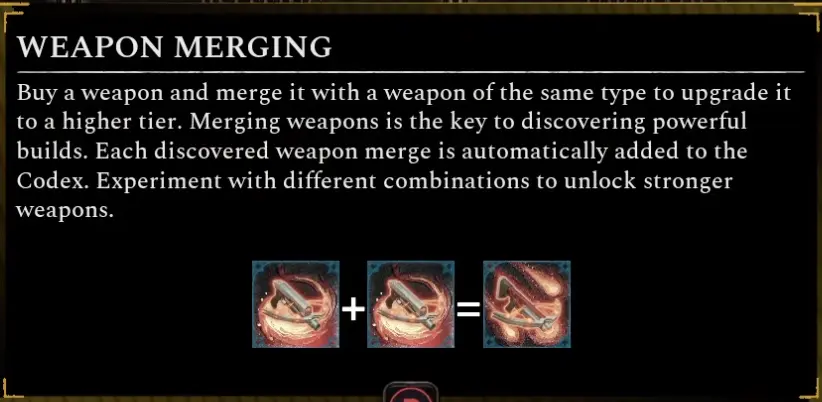
| Merge concept | What it means |
|---|---|
| Same weapon type | You need a matching weapon to merge upward |
| Consumed weapon | The inserted weapon disappears |
| Higher tier | The kept weapon becomes stronger |
| Codex entry | Discovered merges are recorded |
| Tier 3 unlock | Tier 3 weapon merging needs Cathedral progression |
| Main weapon rule | Your starting weapon cannot be converted into an upgrade |
For the full system, use the Arms of God Weapon Merges Guide.
Damage Types and Status Basics
Early on, treat damage type as a build direction. The safest rule is to match blessings and upgrades to the weapon doing most of your damage.
Fire has the clearest early status lesson: fire damage can apply burning, dealing damage on hit and then spreading part of that damage over time. For electric and holy, use them first as build schools: support electric weapons with electric upgrades, and holy weapons with holy upgrades, instead of mixing types randomly.
| Damage type | Early understanding | Best with |
|---|---|---|
| Fire | Supports burning and direct damage; good for crit and pierce builds | Scalding Crossbow, Magnum, Ember Sword |
| Electric | Supports shock-themed weapons and electric upgrade paths | Shock Maul, Twin Spark, Electrohammer |
| Holy | Supports faith-themed ranged and piercing weapons | Holy Spear, Cutter, Machine Gun, Shotgun, Light Beam |
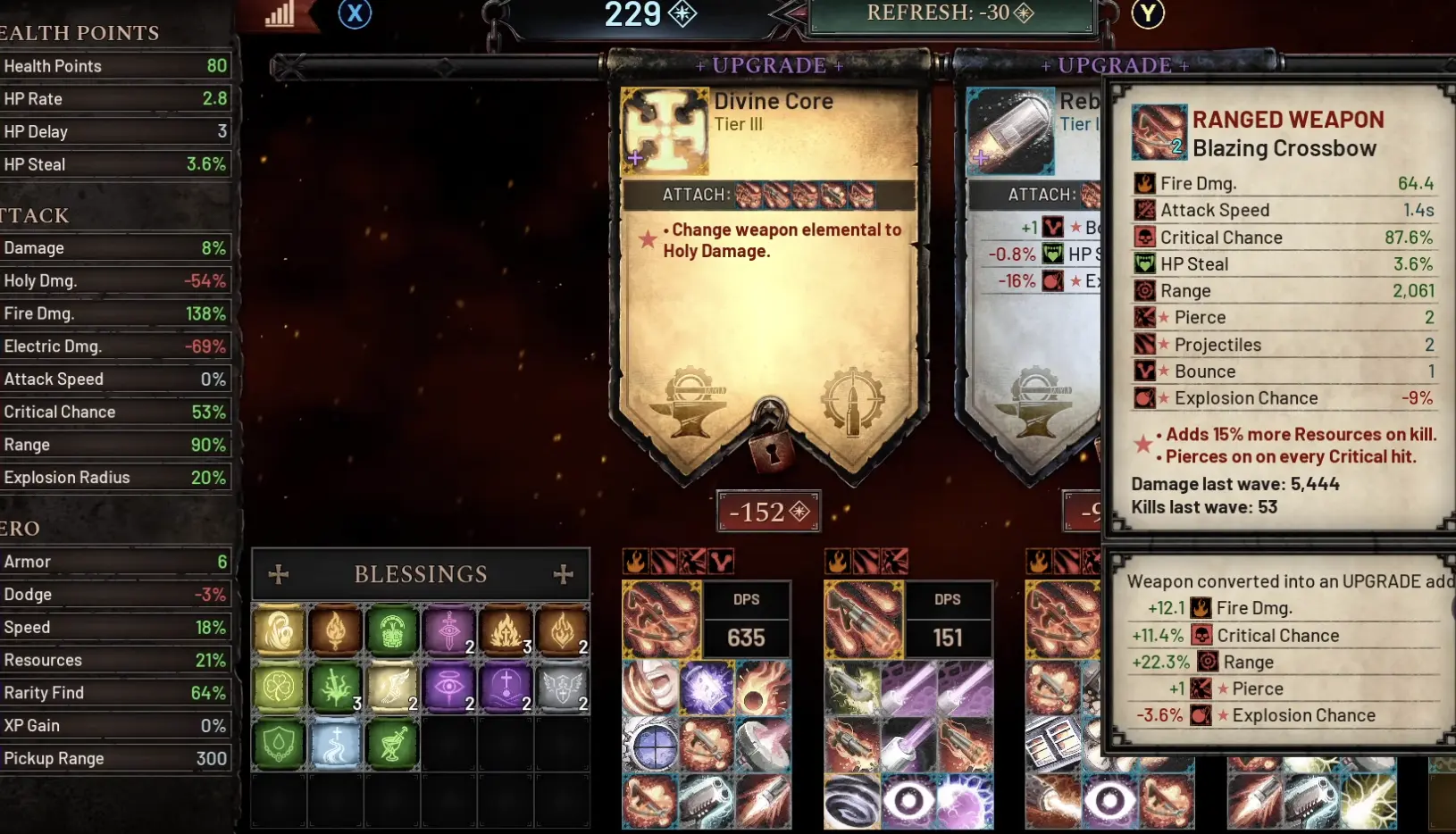
| Weapon stats | Attack speed, range, pierce, projectiles, crit, and stagger can matter as much as damage type | Any weapon that is already carrying the run |
Events: What to Do During Waves
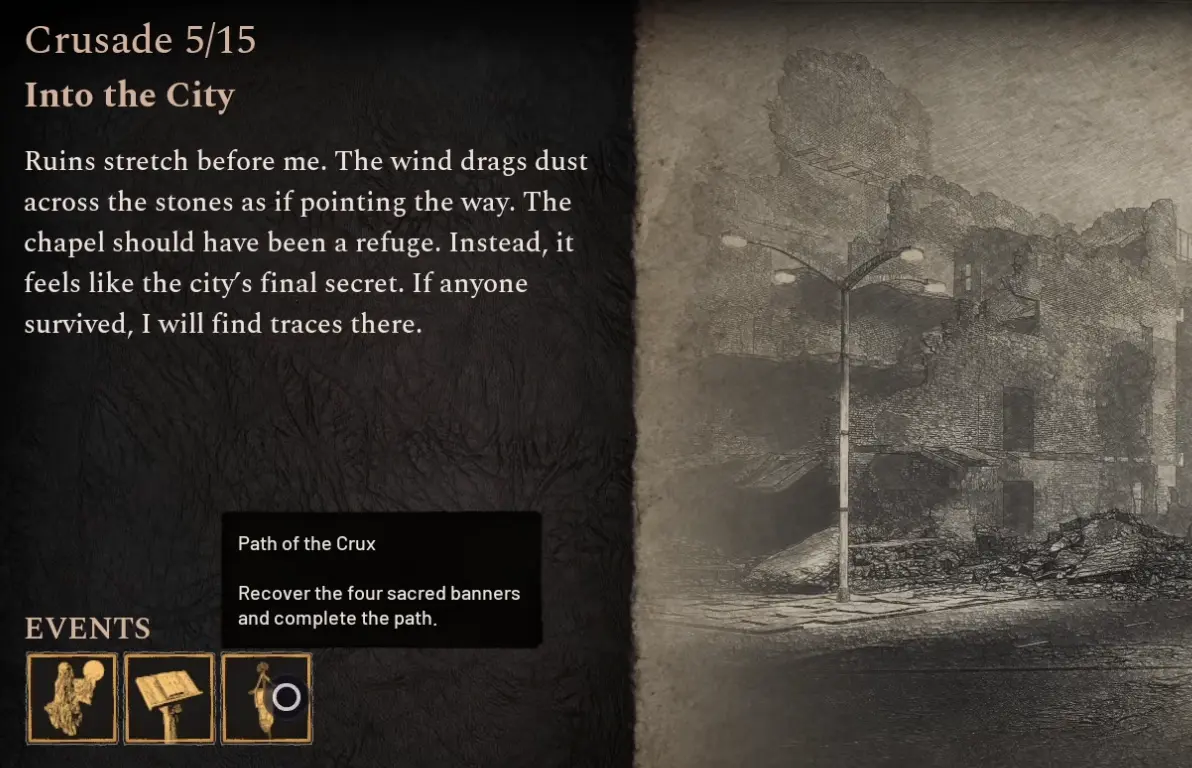
Each wave may include an event or pickup objective. These events are worth doing, but not if they cost the run.
| Event | What to do | Beginner warning |
|---|---|---|
| Path of the Crux | Recover the banners | Start early; do not wait until the arena is packed |
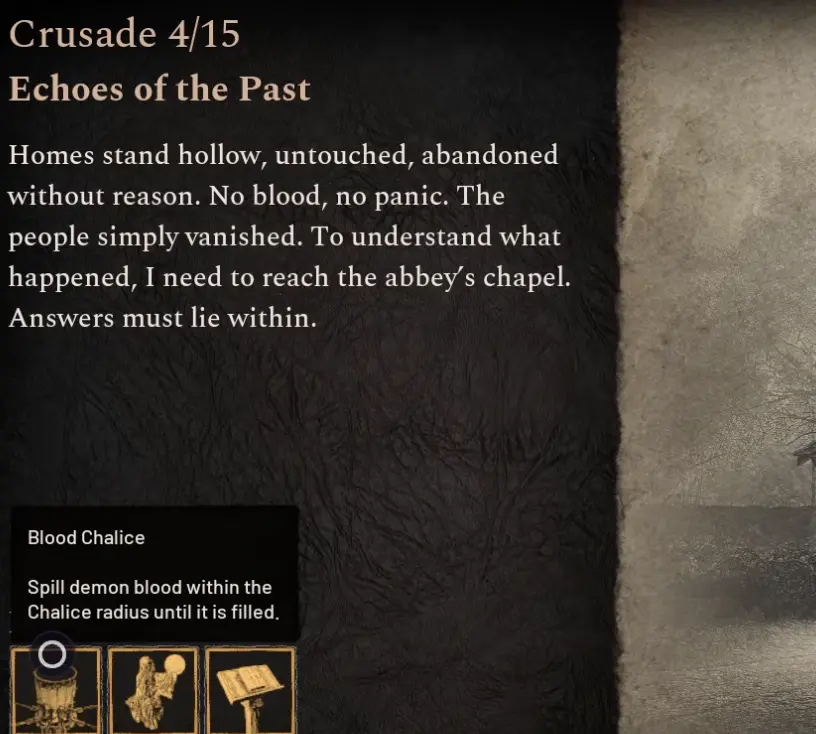
| Blood Chalice | Kill enemies inside the chalice radius | Skip if your HP is low or enemies are already out of control |
| Sermon / Revelation | Pick up the revealed objective | Helps unlock future blessing options |
| Chests | Grab when pathing is safe | Do not dive through danger zones |
| Temporary buffs | Take if nearby | Do not abandon safety for a minor buff |
Cathedral Basics After Act 1
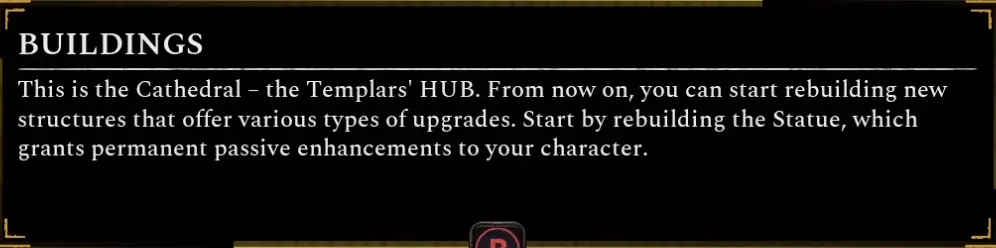
After you beat Doom Herald, the Cathedral becomes your long-term progression hub. The beginner guide does not need every upgrade detail, but you should understand what each early building does.
| Cathedral system | What it does | Beginner priority |
|---|---|---|
| Statue | Permanent passive upgrades | Very high |
| Crux Invocation | Lets you harness the Cross during combat | Very high |
| Ascension Protocol | Allows weapon merges to create Tier 3 weapons | High |
| Gunsmith / Weaponsmith | Unlocks weapons and weapon upgrades | High once you know your build style |
| Shrine | Unlocks blessings revealed through sermons | Medium-high |
| Confessional | Removes unwanted blessings or upgrades | Medium; use after you know what to ban |
| Bell Tower | Shows character unlock requirements | Medium; useful after first clears |
For the full system, use the Arms of God Crux and Cathedral Guide.
Doom Herald Prep
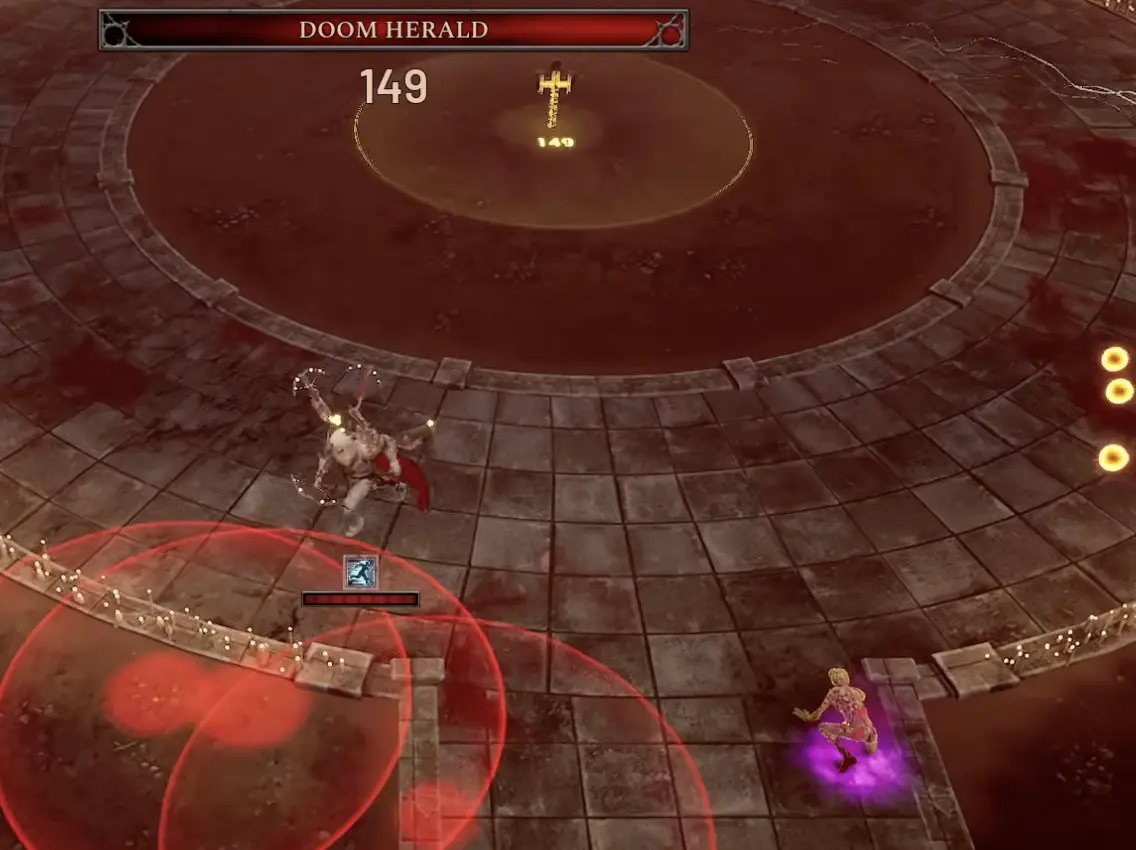
Doom Herald appears at the end of Act 1. By wave 14, stop thinking only about damage. Check whether your build can actually survive.
| Boss prep check | Ready if… |
|---|---|
| Carry weapon | One weapon clearly deals the most damage |
| Damage type | Blessings and upgrades support that weapon |
| Range / pierce / projectiles | You can keep attacking while moving |
| Movement speed | You can leave red zones without panic |
| HP / armor | You can survive mistakes |
| HP steal / HP rate | You can recover after taking damage |
| Aiming mode | You can focus the boss when needed |
Common Beginner Mistakes
| Mistake | Why it hurts | Better choice |
|---|---|---|
| Choosing a specialized Templar too early | You add restrictions before learning the game | Start with Warden |
| Buying every weapon that appears | Your build loses focus and merge space | Build one carry weapon first |
| Ignoring damage type | Your blessings may not help your best weapon | Match blessings to your carry |
| Chasing every soul | You lose HP for small gains | Let unsafe souls feed the Crux |
| Skipping Act 1 pacing | You reach wave 15 unprepared | Use waves 11–14 to stabilize |
| Forcing events at low HP | A small reward can cost the run | Skip risky events |
| Ignoring merge basics | Your weapons stay low tier | Buy matching copies when they appear |
| Entering Doom Herald fragile | Damage alone does not save you | Add movement, HP, armor, or healing |
First Clear Checklist
| Point in the run | What to check |
|---|---|
| Start | Pick Warden and a clear weapon plan |
| Waves 1–3 | Buy one useful weapon or upgrade |
| Waves 4–6 | Identify your carry weapon |
| Waves 7–10 | Commit to damage type and merge path |
| Waves 11–13 | Add survival and stop random buying |
| Waves 14–15 | Prepare for Doom Herald |
| After clear | Use Cathedral upgrades to improve future runs |
FAQ
What is the best beginner Templar in Arms of God? +
Warden is the safest first Templar to learn with. He starts with 40 Health Points, 6% Damage, 9% Critical Chance, -14% Range, a dodge skill, and Wrath Amplifier on the main weapon.
How many waves are in Act 1 of Arms of God? +
Act 1 runs through 15 crusade waves and ends with the Doom Herald boss check. The full structure is built around four Acts with 15 levels each, so your first Act 1 clear mainly opens the Cathedral progression loop.
What is the best starting weapon in Arms of God? +
For new players, Scalding Crossbow and Magnum are the easiest ranged starts. Crossbow gives fire damage, crit, pierce, and bounce, while Magnum gives fire damage, high range, and pierce.
How do you get stronger faster in Arms of God? +
Focus on progression loops: merge matching weapons, buy blessings that support your carry weapon, complete safe events for resources, unlock Cathedral upgrades after Act 1, and use the Shrine, Gunsmith, and Ascension Protocol to improve future runs.
Should you collect every soul in Arms of God? +
No. Collect souls you can reach safely because they pay for weapons, upgrades, blessings, and refreshes. Let unsafe or distant souls feed the Crux instead of losing HP for them.
How does weapon merging work in Arms of God? +
Buy a weapon of the same type and merge it into the weapon you want to keep. The kept weapon upgrades to a higher tier, while the inserted weapon is consumed. Tier 3 merging requires Cathedral progression.
What is the Crux in Arms of God? +
The Crux is the cross tied to your run. Souls left behind can be consumed by it, and Crux choices can give aura buffs, damage, speed, HP delay reduction, healing, or defensive value.
Is Arms of God more like Brotato or Vampire Survivors? +
Arms of God feels closer to a wave-based arena survivor with short crusade rounds, shop decisions, weapon merging, events, and boss checks rather than a long open-map Vampire Survivors run.